
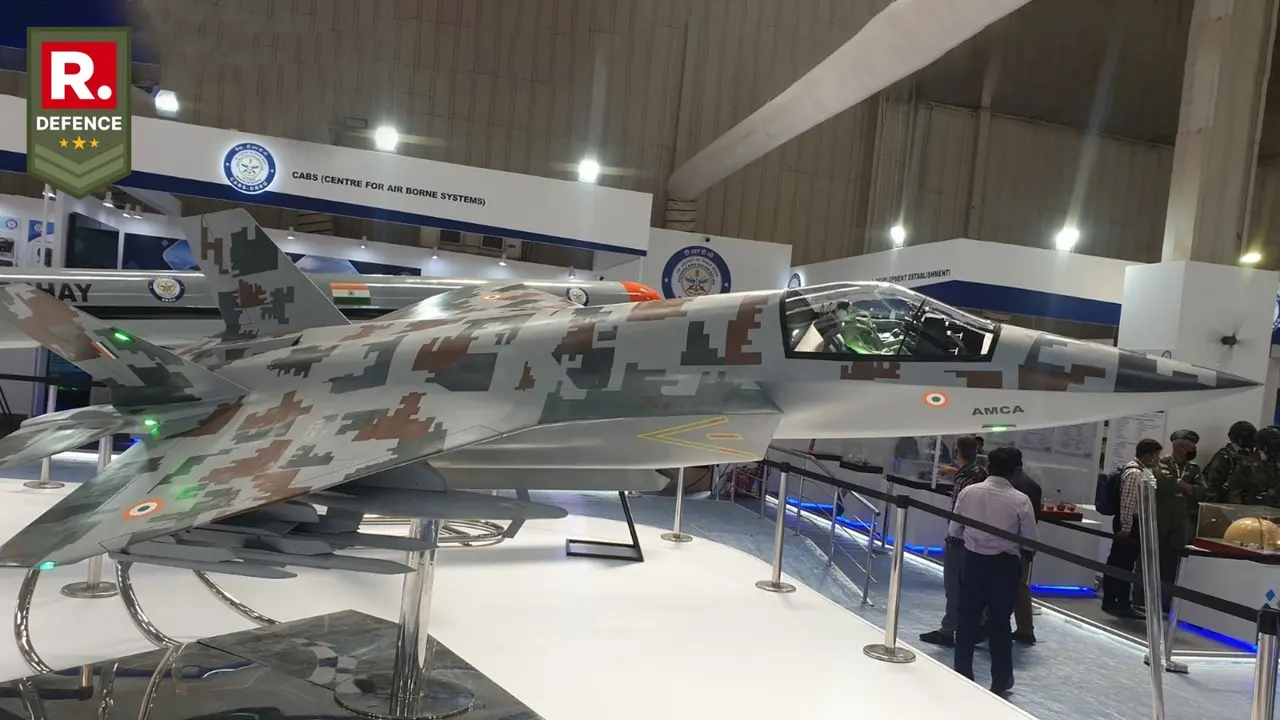
This blog's earlier coverage of India's AMCA engine race established the basic contest, Safran's government-backed joint venture with GTRE already before India's Cabinet Committee on Security, against a newer private-sector challenge from Reliance Industries and Rolls-Royce announced August 14. What's changed since that coverage is a detail that reframes Rolls-Royce's actual competitive angle: analysis from Defence Standard identifies Rolls-Royce's core structural advantage as marinisation capability, adapting a fighter engine core for naval gas turbines, a dual-use application Safran's pitch doesn't offer. A gas turbine facility producing cores for both fifth-generation fighters and next-generation warships would serve India's Navy and Air Force simultaneously, a considerably broader industrial pitch than a single-application fighter engine deal, and one that connects directly to this blog's coverage of India's Project 18 destroyer program and its own pursuit of Japanese Aegis-adjacent naval combat technology just days earlier.
The financial picture around Safran's own proposal has sharpened into genuine confusion worth flagging honestly. Reported contract values for the Safran-GTRE joint venture range from over ₹20,000 crore to as high as ₹61,000 crore, with no official government figure confirmed, and Quwa's own reporting notes the higher figure may actually describe a broader National Aero Engine Mission funding envelope rather than this specific contract, a distinction several outlets covering this story appear to have conflated. That kind of reporting confusion around basic contract scope is itself informative, echoing this blog's earlier engagement with Chopra's own writing on the AMCA engine race, where this blog noted his pieces sometimes lagged the actual state of play by days given how quickly this specific competition has been moving.
The Rolls-Royce announcement's own vagueness deserves the same scrutiny this blog has applied to comparable capability claims all summer, Defence Standard's analysis is blunt that the joint statement "carried no financial terms, no timeline, no ownership structure, and no binding contract," a strategic-intent announcement rather than an actual competing bid on Safran's level of specificity. That's worth reading against this blog's coverage of India's FCAS outreach to France, where this blog noted the AMCA and Tejas Mk2 airframes are already structurally designed around the F414's specific dimensions, meaning any new engine choice, Safran or Rolls-Royce, requires costly redesign regardless of which company India ultimately selects. A strategic-intent announcement without a design already matched to AMCA's airframe constraints is a meaningfully earlier-stage proposal than Safran's more advanced, CCS-level negotiation.
The strategic urgency underlying this entire competition connects directly to this blog's coverage of Pakistan's own airpower trajectory this summer. Indian Defence News's own reporting flags Pakistan moving closer to inducting China's J-35 stealth fighter as a direct pressure point on India's own fifth-generation timeline, alongside the blunter operational detail that India's Air Force currently operates just 29 squadrons against a sanctioned strength of 42.5. That squadron shortfall is the same kind of concrete readiness gap this blog's coverage of Uzbekistan's MiG-29 fleet, down to roughly a dozen flyable aircraft, already established as a genuine crisis-level driver behind accelerated foreign-technology partnerships, just playing out at India's own considerably larger scale and higher strategic stakes.
None of this resolves which supplier India ultimately selects, and this blog's own summer of coverage on DRDO's chronic timeline slippage, the Virupaksha radar's fourteen-year Uttam-derived maturation curve chief among them, counsels real skepticism about whether either engine partnership, however structured, actually closes India's capability gap on the timeline its own squadron shortfall and Pakistan's J-35 trajectory would suggest is needed. What is clear is that India's AMCA engine decision has evolved, in the span of roughly two weeks this blog has now tracked across three separate posts, from a two-way Safran-versus-Rolls-Royce framing into something considerably more granular, a genuine industrial-scope question about whether India wants a single-purpose fighter engine or a dual-use aerospace gas turbine ecosystem serving its Navy and Air Force simultaneously.

No comments:
Post a Comment