In August, Trump posted that planned military exercises with South Korea would be scaled back, explaining that Kim Jong Un had been "unthreatening and respectful" and that continuing to drill against Pyongyang was "totally inappropriate and hostile." That's an American president describing routine defense preparation with a treaty ally as the hostile act, rather than anything North Korea has done. Two weeks later, Seoul announced its largest defense spending increase in nearly two decades.
The number itself, 73.28 trillion won, roughly $53.9 billion, is a real record, an 8.2 percent jump that South Korea's government says is its steepest since 2008. But the more revealing detail sits in how that money is allocated. The single biggest percentage increase, 35 percent, is going toward funding that helps prepare for the transfer of wartime operational control from the United States to South Korea itself, a process with a formal target completion date of 2029. If that transfer happens on schedule, Seoul, not Washington, commands both South Korean and American forces on the peninsula in any future conflict. That's not a modest bureaucratic reshuffling, it's South Korea deliberately building the command-and-control infrastructure to run its own war without needing to lean on American generals to do it.
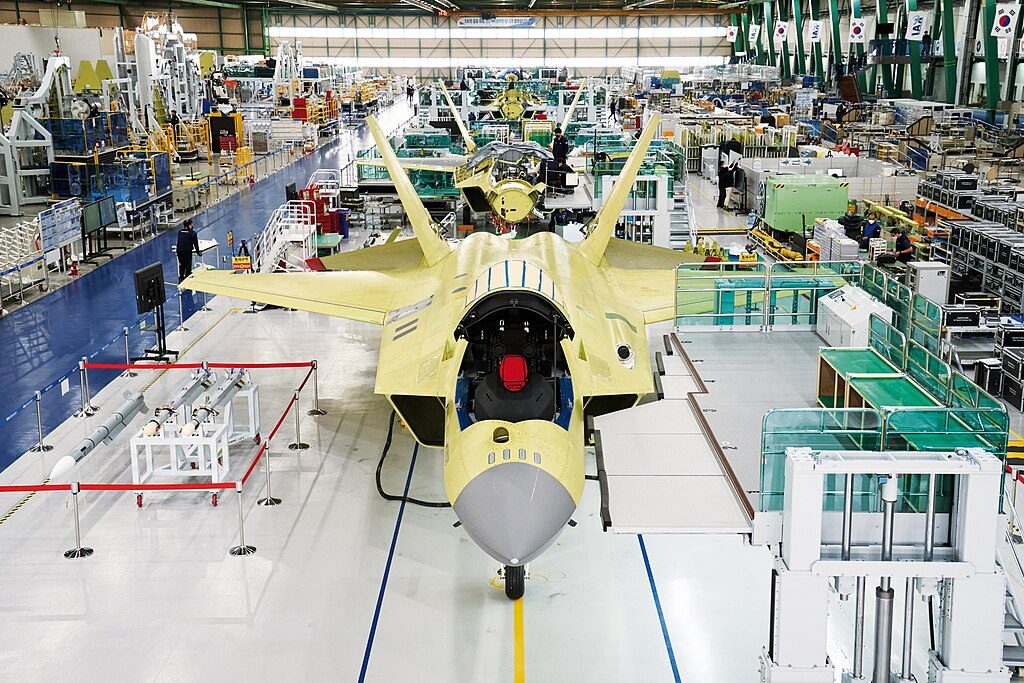
The broader budget reads like a country trying to become less dependent on the alliance across multiple fronts simultaneously, not just command structure. South Korea's KF-21 Boramae, its own 4.5-generation fighter jet, finished development in July after more than a decade in the works, and its production budget will more than double next year as initial mass output ramps up. Nearly 100 billion won is going toward a nuclear-powered attack submarine program for the first time, still in preliminary design and infrastructure stages, with no total cost or firm schedule set yet. A new wartime military information distribution system is being funded specifically to improve command-and-control for the joint Combined Forces structure once OPCON actually transfers. None of these are small, symbolic line items, they're the connective tissue of an independent military.
There's a real gap worth noting between the budget's headline size and what it actually represents as a share of the economy. Despite being the largest year-on-year increase in nearly twenty years, the new budget only brings South Korea to roughly 2.33 percent of GDP, up from 2.28 percent, nowhere close to the 3.5 percent target Seoul agreed to as part of a joint declaration with Washington on burden-sharing. That target isn't due until 2035. So while this is genuinely the fastest South Korea has ever grown its defense budget in raw won terms, it's still an early step in a decade-long climb rather than a sudden leap to the spending level the two countries have already agreed Seoul should eventually reach.
South Korea's own reserve force numbers point to a less discussed but equally real problem sitting underneath all of this: standing reserve forces are set to expand from 3,700 to 7,000 personnel specifically to address what the budget documents describe as long-term manpower shortages, a demographic reality that no amount of hardware spending can fully paper over. A country building submarines, fighters, and its own command structure still needs people to operate them, and South Korea's declining birthrate has been squeezing military recruitment for years. Money can buy a KF-21 fleet faster than it can buy more 20-year-olds willing to serve, and this budget, for all its record-setting size, doesn't pretend to have fully solved that half of the equation yet.