A new IISS research paper argues South Korea is genuinely well positioned to help close Europe's widening missile-defense gap, and the case it makes connects almost every thread this blog has tracked on interceptor scarcity this summer into a single, coherent picture. The scale of that scarcity, as this reporting lays out, is now genuinely severe: the U.S. has burned through nearly four-fifths of its pre-war THAAD inventory and roughly half its Patriot interceptors since the Iran war began, Lockheed Martin produced only 620 Patriot interceptors in all of 2025, and Europe has spent an estimated $50 billion since 2022 on American systems it can no longer assume Washington will keep prioritizing, given what this reporting bluntly calls Europe's status as "at best, a tertiary security interest" behind the Indo-Pacific and the Middle East.
Every element of that picture matches this blog's own extensive documentation this summer. This blog's coverage of Zelenskyy's "I have 1%" framing, the 200-missile salvo warning, and the Poland Patriot transfer scandal all independently confirmed the same underlying scarcity this reporting quantifies at the U.S. and European level. This blog's coverage of the PAC-3 and SM-3 production surges, and the Munitions Acceleration Council's 12-legacy-plus-2-emerging-munitions plan this reporting references directly, already established that American production expansion, however genuine, will take years to restore pre-war inventory levels, a timeline problem this blog's GMLRS and rocket-motor supply-chain coverage suggested applies across nearly the entire American munitions-production base simultaneously.
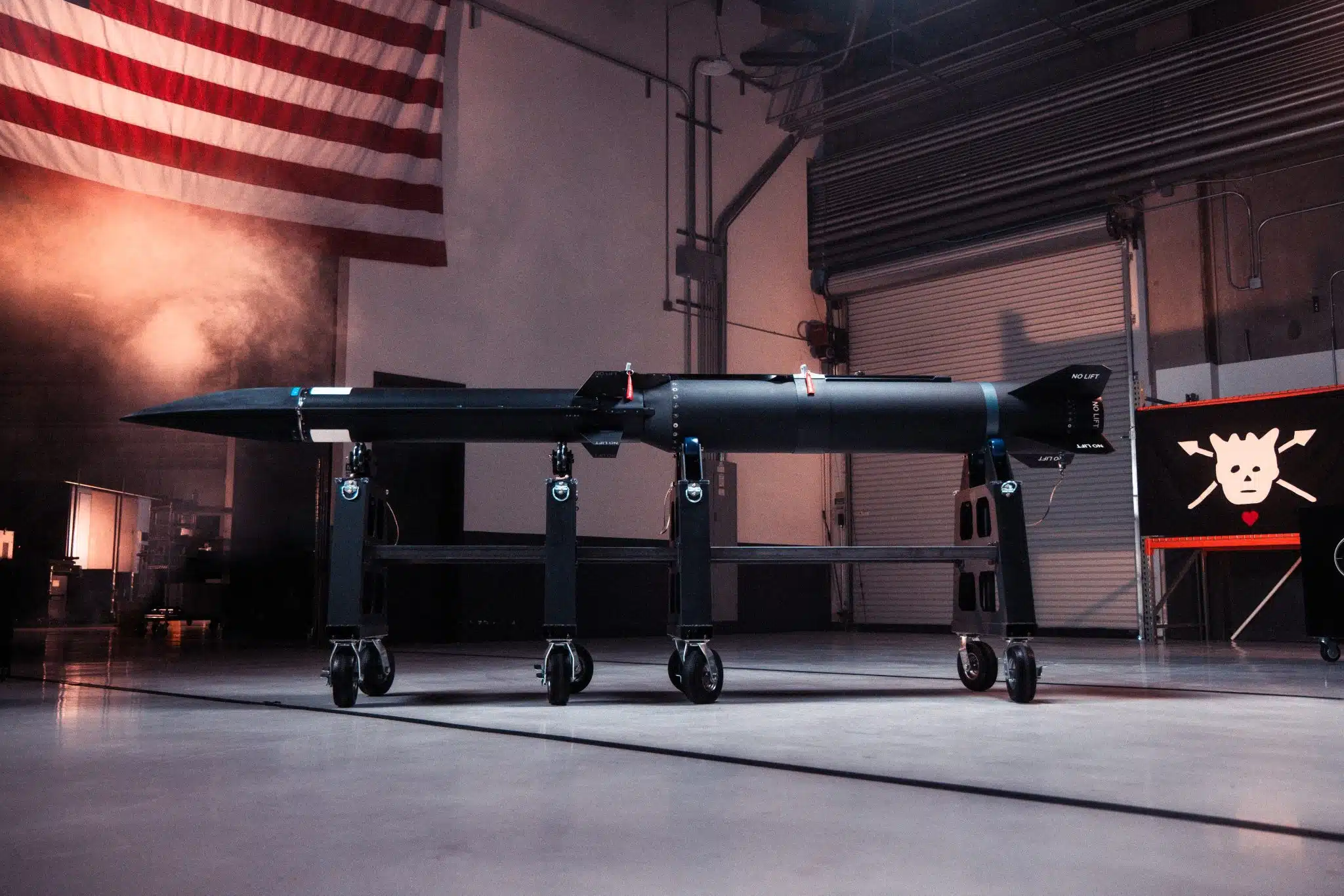
South Korea's specific pitch, though, is where this reporting adds something this blog hasn't previously covered in depth, and it's a genuinely compelling case on the merits. The Cheongung-II's actual combat debut in the UAE, intercepting Iranian missiles at a reported success rate exceeding 96 percent, rivaling or exceeding Patriot's own wartime performance according to this reporting's cited analysts, gives South Korea something this blog's coverage of untested Western programs, Castelion's Blackbeard hypersonic weapon, the Dutch Hornet B2, Germany's Cobra 600, generally lacks, genuine, recent, verified combat validation against the exact threat category Europe needs to defend against. That's a meaningfully stronger evidentiary basis than most of the procurement stories this blog has covered this summer, and it deserves to be weighed accordingly rather than treated with the same skepticism this blog has applied to unverified Russian and Chinese capability claims.
The economics reinforce the case further: a Cheongung-II system priced at roughly a third of Patriot's cost, letting a country field three batteries for the price of one, extends the exact cost-exchange logic this blog has tracked obsessively all summer, just applied to the acquisition price of the interceptor system itself rather than the per-shot cost against incoming threats. Combined with South Korea's roughly 95 percent domestic production rate, a supply-chain independence this blog's coverage of American reliance on constrained rocket-motor suppliers and failed component facilities would recognize as a genuine structural advantage, and South Korea's already-established European sales record, this blog's earlier South Korea coverage through the PKX-B patrol craft program already flagged Seoul's disciplined execution track record, the Cheongung-II pitch looks less like speculative opportunity and more like a logical extension of a pattern already working.
The EU's own SAFE initiative is the genuine structural obstacle this reporting identifies, and it's worth taking seriously as a real constraint rather than a minor footnote. A 65 percent EU-content requirement for SAFE-funded procurement directly excludes South Korean systems from Europe's own €150 billion rearmament financing mechanism, the same kind of protectionist friction this blog's coverage of the Canada AWACS tariff dispute already documented complicating allied defense-industrial cooperation even when the underlying capability case is strong. Hanwha's expanding Polish and Romanian manufacturing footprint, not currently configured for missile-interceptor production but potentially adaptable, is the most plausible workaround this reporting identifies, extending the same NATO-territory onshoring pattern this blog has now documented across Ukrainian drone manufacturers in Germany, the UK, and Finland to South Korean interceptor technology specifically.
None of this guarantees South Korea actually becomes the "savior" this reporting's headline claims, production scaling to meet genuinely urgent European demand remains unproven at the volumes this crisis requires, and this blog's summer of coverage on execution risk across nearly every ambitious defense-industrial promise counsels real caution before assuming any single supplier solves a shortage this structurally deep. But reading this reporting against everything this blog has documented this year, the interceptor math simply doesn't currently work for Europe relying on American supply alone, and a combat-proven, considerably cheaper, largely self-sufficient alternative is exactly the kind of pressure-release valve this blog's entire summer of interceptor-scarcity coverage has been implicitly asking whether anyone could actually provide.