
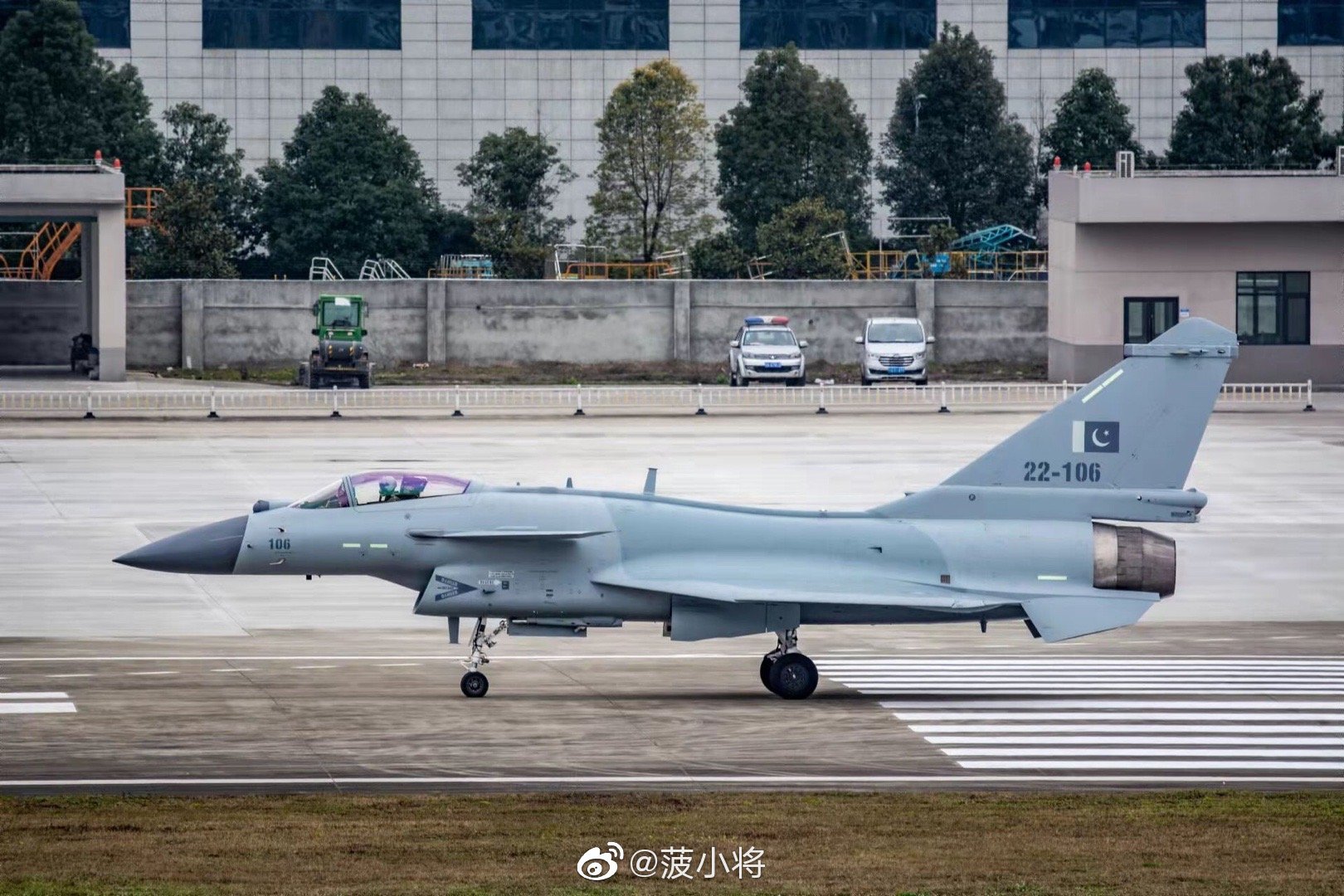
This blog's earlier coverage of Uzbekistan's shift toward Chinese airpower documented the confirmed baseline, two J-10CE fighters delivered to Tashkent on July 2, 2025, against a reported 24-aircraft contract, and treated a subsequent claim of four additional aircraft arriving in July 2026 with appropriate caution given its origin in unverified Chinese-language enthusiast accounts. Defence Security Asia's most recent reporting adds a genuinely important piece of context that earlier coverage, and this blog's own prior post, didn't fully capture, the specific readiness crisis actually driving the pace of this transition. Only approximately 12 of Uzbekistan's MiG-29s remain routinely flyable, with the rest of the Soviet-legacy fleet, including largely retired or sidelined Su-27s, no longer providing meaningful operational capability, a detail that reframes this deal from a routine modernization decision into something closer to a readiness emergency.
That specific number matters because it explains a pacing question this blog's earlier coverage left open, why Uzbekistan appears to be absorbing J-10CE deliveries faster than Pakistan's own comparable conversion process for pilots, maintainers, and weapons crews. Defence Security Asia's analysis is direct about the mechanism: Russia's war in Ukraine has redirected production, overhaul capacity, and components toward Russian military requirements, creating genuine uncertainty over engine refurbishment and spare-parts delivery for foreign MiG-29 and Su-27 operators like Uzbekistan who depend entirely on Moscow's own increasingly constrained defense-industrial base. This is the exact same Russian production-capacity strain this blog has documented extensively through its own coverage of the Su-34 and Su-57 production ambiguity, and Iran's missile reconstitution, just now showing up as a downstream effect on a third country's fleet readiness rather than Russia's own domestic capacity.
This blog's earlier Uzbekistan coverage argued the deal represented single-vendor lock-in, Uzbekistan committing to an integrated Chinese air-and-ground ecosystem spanning the J-10CE and existing HQ-9B air defense batteries. This newer reporting sharpens that argument considerably: with barely half a squadron's worth of MiG-29s still airworthy, Uzbekistan doesn't have the luxury of a genuinely open, competitive procurement process the way it might have if its existing fleet remained in better shape. Defence Express's own April 2025 reporting confirms Tashkent had weighed the Russian Su-30SM and even the French Rafale as alternatives before settling on the Chinese option, but a readiness crisis this severe narrows the realistic choice set considerably, whichever supplier could actually deliver airframes and begin pilot conversion fastest was always going to have a structural advantage regardless of how the formal competition was framed.
The extended overlap period Defence Security Asia's analysis flags as a genuine operational risk deserves to be taken seriously rather than treated as a minor technical footnote. Retiring the remaining flyable MiG-29 capacity too quickly, before J-10CE crews, weapons systems, and maintenance infrastructure fully mature, risks creating a temporary force-protection gap regardless of how superior the incoming aircraft's specifications are on paper. That's a genuinely difficult transition to manage under normal circumstances, and considerably harder when the outgoing fleet is already down to a dozen airworthy aircraft rather than transitioning from full operational strength, a detail this blog's earlier, more capability-focused coverage of the deal's export-marketing and vendor-lock-in dimensions didn't fully account for.
The unresolved verification question this blog flagged in its earlier post, whether the claimed four-aircraft July 2026 delivery actually occurred, remains genuinely unresolved even in this newer reporting, Defence Security Asia's own analysis is explicit that the claim "originates exclusively from Chinese-language military enthusiast accounts and unverified open-source intelligence posts," a provenance pattern the same outlet notes has historically preceded, rather than confirmed, formal government acknowledgment in comparable cases. What's changed since this blog's earlier coverage isn't confirmation of that specific claim, it's a clearer picture of why the underlying transition is moving with genuine urgency regardless of the exact delivery count on any given date, a fleet that's already down to roughly a dozen flyable legacy fighters doesn't have the option of a slow, deliberate multi-year transition, whatever the marketing materials from either side ultimately claim about the pace.

No comments:
Post a Comment