
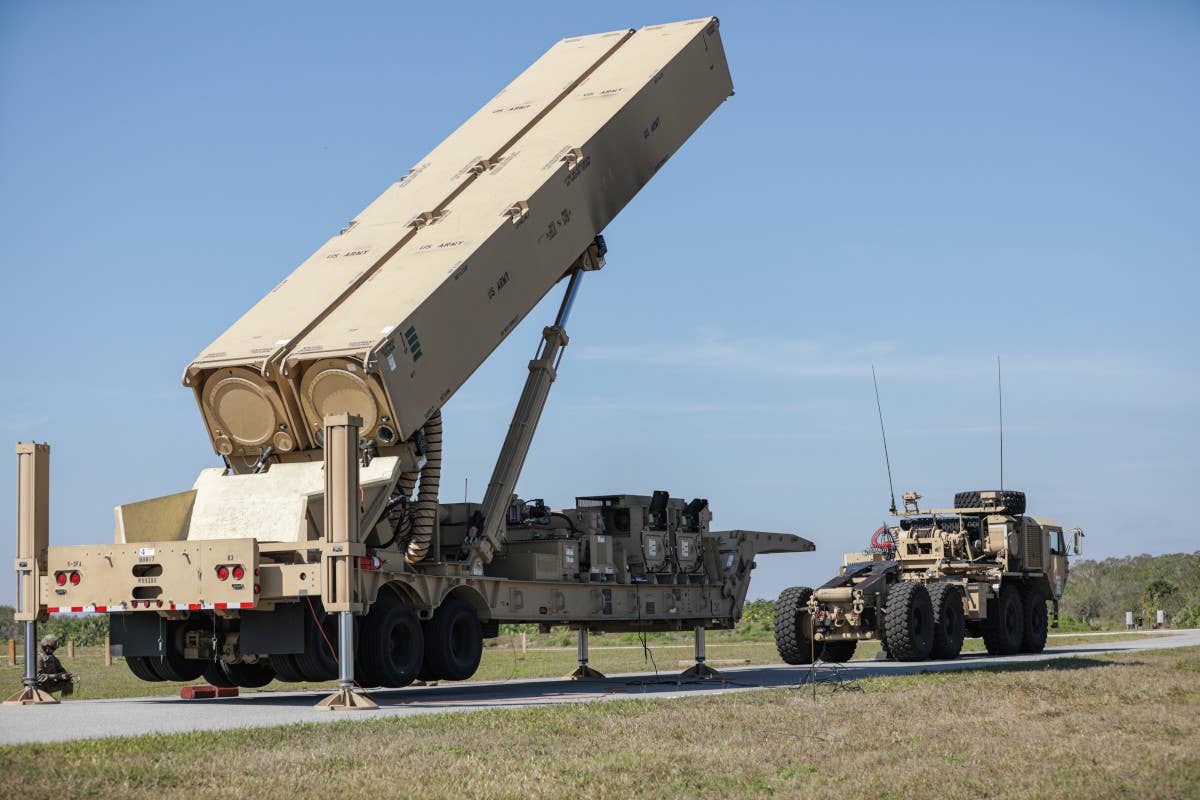
Germany wanted its Tomahawk cruise missiles and Typhon ground launchers sooner, not later, and asked Washington to speed up delivery. The answer, according to Bloomberg's sourcing from multiple US officials, was close to the opposite of what Berlin asked for: Raytheon's own production lines likely can't fulfill the order within the next five years at all. That's not a delay measured in months, it's a delay that could outlast an entire German government's term in office, and Germany isn't the only ally hearing some version of it.
The scope runs wider than one country's frustrated request. Several Eastern European nations dependent on American hardware started experiencing their own delivery slowdowns not long after the US entered combat operations against Iran in February, and Japan was separately notified back in April that its own contracted Tomahawk deliveries would slip by two years. What connects all of it is the same underlying cause: Washington has decided replenishing its own depleted stockpiles takes priority over honoring the delivery schedules it had already promised allies, a genuinely blunt ordering of priorities for the world's largest arms exporter to admit out loud.
The numbers behind that decision are stark enough to make the choice at least explicable, even if it's not comforting to the countries waiting. The Congressional Budget Office estimates the US may have burned through as much as two-thirds of its missile-defense interceptor stockpile since last June. That's the same crisis this outlet has tracked across a run of recent production announcements, Lockheed's plan to more than triple PAC-3 MSE output from roughly 600 to 2,000 units a year, L3Harris's $4.7 billion propulsion expansion, the framework deals meant to scale AIM-260 and Blackbeard production. Every one of those stories describes the fix already in motion. This story describes what happens in the meantime, while the fix is still years from actually closing the gap.
Ukraine is where that gap is landing hardest and most visibly. President Zelenskyy said last month that Kyiv's backers delivered roughly a third as many air-defense missiles this year as they did over the same stretch in 2025, and Ukrainian forces have on multiple occasions publicly acknowledged failing to intercept a single Russian missile during an overnight attack, a level of defensive failure that would have been treated as a genuine crisis a year earlier and is now simply a recurring data point. European leaders are reportedly planning to press Trump directly on more Patriot deliveries for Ukraine at UN meetings next week, an ask that arrives at almost exactly the moment US officials are telling other allies to expect years-long waits on comparable systems.
The response some European governments are pursuing tells you how seriously they're taking Washington's own message that the wait is real. Rather than simply lobbying harder for faster delivery, EU officials are reportedly seeking US licenses that would let European countries manufacture Patriot missiles themselves, the same domestic-production instinct this outlet has already tracked through Sweden's Saab-Lockheed munitions arrangement and Ukraine's own push to build Storm Shadow components locally with British technical support. A five-year delay isn't just a scheduling problem for the countries hearing it, it's becoming the argument for why depending on a single foreign supplier for critical air-defense hardware was never a fully sound strategy in the first place, war or no war.
