Friday, July 31, 2026

Strategic Shift in the Himalayas: Chinese J-20 Deployments Accelerate India’s Urgency for Su-57 Stealth Procurements


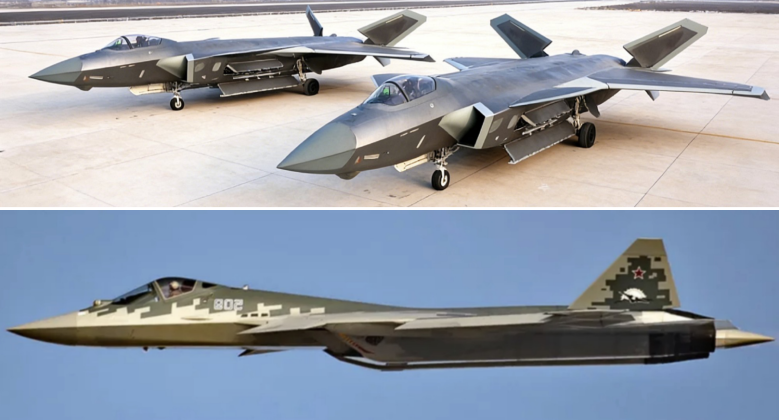
The recent deployment of Chengdu J-20 fifth-generation stealth fighters by the Chinese People’s Liberation Army Air Force (PLAAF) to key high-altitude installations near the disputed border has fundamentally altered the aerial balance of power along the Line of Actual Control. Operating from strategic forward locations such as Hotan Air Base in Xinjiang, these advanced aircraft bring critical regional airspace within immediate reach of sophisticated low-observable penetration assets. This tactical shift has exposed a widening capability gap, forcing New Delhi to heavily re-evaluate its immediate options for acquiring an effective fifth-generation deterrent.

While China has historically prioritized stationing its premier J-20 fleet in eastern and coastal sectors to counter American and allied Pacific forces, accelerating production rates exceeding 100 airframes annually have enabled wider geographic distribution. The appearance of these stealth jets in the Himalayan theater means that Indian defense planners must now account for a formidable adversary capable of deep-strike missions and advanced electronic warfare. Because India's domestic Advanced Medium Combat Aircraft (AMCA) program is not projected to yield operational squadrons until the 2030s, the Indian Air Force faces a prolonged window of vulnerability against a rapidly expanding Chinese stealth inventory.

In response to this mounting strategic pressure, discussions surrounding the acquisition of Russia's Sukhoi Su-57 fifth-generation fighter have intensified significantly. Russian and Indian defense officials have advanced technical consultations regarding local license production, bolstered by unprecedented Moscow offers concerning source-code access and deep technological co-ownership. With Western alternatives like the American F-35 ruled out due to strict operational constraints and political stipulations, the Su-57 stands out as the most viable near-term platform capable of bridging India's critical capability gap.

The potential integration of the Su-57—alongside specialized avionics customization, such as local AESA radar integration—would provide the Indian Air Force with the heavy-class kinematic performance, supercruise capabilities, and internal weapons carriage necessary to counter the J-20. However, transitioning toward a new high-end stealth ecosystem will demand immense logistical adjustments, disciplined capital allocation, and expedited defense procurement pathways. Successfully executing a joint manufacturing arrangement will be pivotal to ensuring that India retains a credible deterrent posture across its northern frontier.

Adding a profound new dimension to regional strategic competition, the Pakistan Air Force is advancing toward a landmark procurement of up to 40 Shenyang J-35 stealth fighters. As the prospective first international customer for a Chinese fifth-generation combat aircraft, Islamabad is poised to introduce low-observable capabilities into its fleet well before neighboring India fields its own indigenous jets. Bundled alongside advanced assets like KJ-500 early-warning aircraft and HQ-19 air defense systems, this multi-billion-dollar modernization effort is set to transform Pakistan into the inaugural foreign operator of a complete Chinese network-centric air-defense bubble.

Ultimately, the expanding footprint of Chinese fifth-generation aircraft in the high-altitude border regions underscores the accelerating pace of aerospace modernization across South Asia. As regional powers race to secure technological dominance, the outcome of India's stealth procurement strategy will dictate the stability of the local balance of power for decades to come. Navigating these complex geopolitical and industrial hurdles remains the ultimate test for modernizing the subcontinent's defense architecture.

France Launches Major €1.5 Billion Reconstruction of Luxeuil Air Base to Host Nuclear-Armed Rafale F5 Fighters


The French Ministry of the Armed Forces has officially notified the initial contracts for a massive €1.5 billion ($1.7 billion) overhaul of the historic Luxeuil-Saint-Sauveur Air Base (Base Aérienne 116). Located in northeastern France, the facility is set to undergo a decade-long transformation to readapt to its historical nuclear deterrence mission. By the mid-2030s, the strategically vital base will double in size and serve as home to two full squadrons of advanced Dassault Rafale F5 fighters armed with next-generation hypersonic nuclear missiles.

The sweeping infrastructure overhaul is widely regarded by military planners as one of the most structurally complex defense projects under the current military programming law. Because the base's current facilities—including triangular hangars dating back to 1952—were built for legacy aircraft, nearly the entire installation must be rebuilt. Furthermore, because the heavy Rafale platform exerts significantly greater stress on tarmac surfaces than the retiring Mirage 2000-5 jets currently stationed there, the 2,400-meter runway will be reinforced and extended. Specialized subterranean storage security and fortified maintenance zones will also be constructed to meet strict nuclear safety protocols.

At the core of the base's operational rebirth is the pairing of the cutting-edge Rafale F5 standard with MBDA’s upcoming ASN4G (Air-Sol Nucléaire de 4e génération) hypersonic air-to-surface missile. The F5 standard represents a monumental technological leap for French air power, featuring an upgraded high-thrust engine, advanced active electronically scanned array radars, comprehensive artificial intelligence integration, and the capacity to control loyal-wingman combat drones. The ASN4G missile will fly at multiple times the speed of sound, replacing current ASMP-A cruise missiles and ensuring that France's airborne strategic deterrent can pierce advanced multi-layered air defense networks.

The strategic revival of Luxeuil reverses a closure-threatened trajectory that began when the base lost its nuclear mission in 2011. Once active construction begins in 2027 ahead of the first Rafale arrivals around 2032, personnel numbers at the facility are expected to surge from roughly 300 technicians to nearly 2,000 military and civilian personnel by 2036. When fully operational, Luxeuil will join Saint-Dizier, Istres, and Avord as France's four primary nuclear-capable air bases, heavily reinforcing national defense autonomy amid rising European security concerns.

Ultimately, this ambitious modernization underscores Paris's long-term commitment to maintaining a robust, independent nuclear triad in an increasingly volatile geopolitical climate. By anchoring future deterrence on the high-performance synergy of the Rafale F5 and hypersonic delivery systems, France is future-proofing its strategic posture for decades to come. The upcoming years of heavy construction will transform the remote foothill base into an ultra-modern cornerstone of European aerospace power.

Royal Australian Navy’s HMAS Sydney Validates Long-Range Strike Capability with Successful Live-Fire Naval Strike Missile Test


 The Royal Australian Navy (RAN) has successfully demonstrated its expanding long-range maritime strike capabilities during Exercise Rim of the Pacific (RIMPAC) 2026. Operating off the coast of Hawaii, the Hobart-class guided-missile destroyer HMAS Sydney executed a precision live-fire engagement using the Kongsberg-developed Naval Strike Missile (NSM). The live missile successfully struck and heavily damaged its designated target, the decommissioned U.S. Navy Ticonderoga-class guided-missile cruiser former USS Mobile Bay.

This high-profile sinking exercise marks the second time the Royal Australian Navy has operationally fired the NSM during a RIMPAC deployment, following its initial milestone integration trial during the 2024 iteration of the exercise. The systematic transition from initial weapon introduction to repetitive operational validation highlights the RAN's aggressive fleet-wide modernization timeline. By replacing older Harpoon missile systems with the advanced NSM, Australian surface combatants are gaining significantly extended standoff ranges and superior low-observable sea-skimming flight profiles.

The multi-layered engagement extended beyond the initial missile strike, showcasing seamless tactical coordination between coalition assets. Immediately following the NSM impact, embarked MH-60R Seahawk helicopters—including Flight 607 “Fenrir” from HMAS Sydney and Flight 605 “Dundee” operating from the U.S. Navy destroyer USS Wayne E. Meyer—swarmed the target area. Each helicopter sequentially launched precision AGM-114 Hellfire missiles against the drifting hull, underscoring the high degree of interoperability and combined-arms synchronization achieved among participating allied forces.

Commanding Officer Commander Hayden Jenkins praised the precision and efficiency of the ship's crew, emphasizing that the successful test directly reflects the heightened lethality now embedded within Australia's surface combatant fleet. The integration of the NSM forms a critical pillar of Canberra's broader strategic pivot outlined in national defense reviews, ensuring surface ships can deter peer adversaries and protect vital sea lines of communication across the Indo-Pacific.

Ultimately, the successful execution of this complex live-fire serial reinforces the growing standard of maritime strike excellence among allied nations. As regional security dynamics continue to demand advanced deterrent architectures, routine validations like those demonstrated by HMAS Sydney ensure that coalition navies remain thoroughly prepared for high-intensity operational environments.

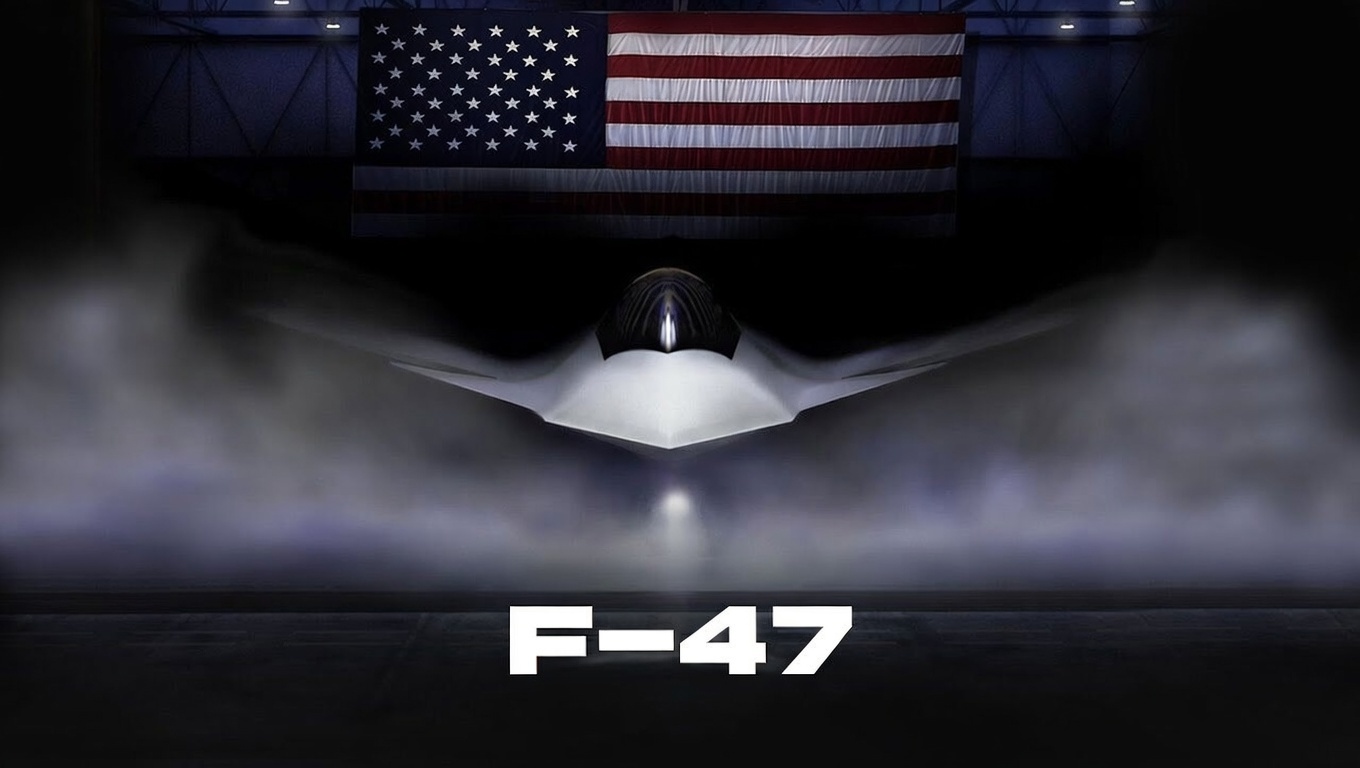
China’s J-36 Takes Center Stage as Beijing Releases Official Footage of its Sixth-Generation Fighter Program but can It Challenge America's F-47 Air Dominance?


The Chinese People’s Liberation Army has officially released promotional footage showcasing glimpses of its advanced Chengdu J-36 sixth-generation stealth fighter, pushing the program to the forefront of global defense discourse. Long tracked by international intelligence agencies and aviation analysts through grainy, leaked imagery from test facilities like Lop Nur, this formal media inclusion marks Beijing's first official acknowledgment of the heavy, multirole combat aircraft. The move signals a high level of institutional confidence in the platform's aerodynamic maturation and structural design.

Designed by the Chengdu Aircraft Corporation, the J-36 features a radical, tailless diamond-double-delta wing configuration optimized for superior transonic and supersonic flight characteristics. Unlike conventional twin-engine layouts, this heavy stealth platform utilizes an unconventional three-engine architecture paired with recessed or vectoring exhaust systems designed to dramatically reduce both radar and infrared signatures. With an estimated maximum takeoff weight exceeding 50 tonnes, the aircraft is engineered for immense range and prolonged endurance, enabling deep-penetration missions across vast maritime theaters like the Indo-Pacific.

The revelation of official footage immediately intensifies the global tech-military rivalry, setting the stage for a high-stakes race against the United States Air Force's Boeing F-47 developed under the Next Generation Air Dominance (NGAD) initiative. While Washington's F-47 emphasizes a comprehensive "family of systems" approach with advanced adaptive cycle engines and collaborative combat aircraft, China's parallel development highlights an aggressive push toward distributed sensor-shooter capabilities. The J-36's spacious internal weapons bays and side-by-side cockpit seating strongly suggest a heavy emphasis on command-and-control teaming with unmanned loyal-wingman drones.


Military strategists note that the rapid transition of the J-36 from initial test flights to official media reveals underscores Beijing's capacity to compress traditional aviation prototyping cycles. By leveraging iterative software testing and advanced composite manufacturing, Chinese defense industries are attempting to close or invert historical capability gaps with Western aerospace power. However, critical unknowns remain regarding the true maturity of its complex sensor fusion, avionics suite, and long-term powerplant reliability.

Ultimately, the public unveiling of the J-36 redefines the baseline parameters of modern air superiority. As both superpowers pour immense capital into sixth-generation ecosystems, the balance of power in regional aerospace will increasingly depend on software resilience and autonomous integration. Navigating this new technological frontier ensures that the Indo-Pacific will remain the primary crucible for future military aviation development.

Shield AI and Thunder Tiger Complete Milestone Maritime Teaming Demonstration in Taiwan


 Defense technology firm Shield AI and Taiwan-based robotics manufacturer Thunder Tiger Corporation have successfully completed their first joint multi-asset maritime autonomy demonstration. Conducted in the waters of Dapeng Bay in Pingtung County, the live exercise paired Thunder Tiger’s SeaShark 600 and SeaShark 800 unmanned surface vessels (USVs) with Shield AI’s flagship "Hivemind" artificial intelligence pilot. The successful trial marks a major step forward in integrating advanced autonomous software into allied maritime interdiction frameworks.

During the evaluated scenario, the USVs were tasked with executing a coordinated intelligence, surveillance, and reconnaissance (ISR) mission across a designated sector. Running entirely on the Hivemind architecture, the autonomous vessels dynamically split the search area, processed data from onboard maritime radar and Automatic Identification System (AIS) transponders, and located a target vessel of interest without direct human intervention. Once the contact was identified, the system coordinated the two drone boats to seamlessly close in and escort the intruder out of the restricted zone.

This high-profile demonstration is the first concrete milestone stemming from the strategic partnership established between Shield AI and Thunder Tiger earlier in the year. By leveraging Hivemind’s platform-agnostic capabilities—which have previously piloted systems ranging from small quadcopters to jet-powered fighters like the F-16—the collaboration aims to provide scalable, resilient operational tools for contested environments. Company representatives noted that a small team of operators utilizing such distributed AI software can efficiently manage multi-vessel formations to cover vast maritime areas far exceeding traditional manual control limits.

The deployment of intelligent unmanned surface fleets holds profound strategic relevance for island nations like Taiwan, where securing surrounding sea lines of communication is critical to national defense. Observers from Taiwan's state-run Chung-Shan Institute of Science and Technology and the Coast Guard Administration closely monitored the exercise, underscoring local interest in rapid technological adoption. Defense analysts view affordable, autonomous surface swarms as an essential asymmetric deterrent capable of complicating adversary naval planning in narrow straits.

Looking ahead, Shield AI and Thunder Tiger intend to expand their cooperative roadmap by incorporating more complex sensor suites, testing larger multi-agent team sizes, and evaluating open-ocean operational behaviors. As geopolitical tensions persist across the Indo-Pacific, pairing robust domestic hardware platforms with cutting-edge edge AI promises to fundamentally reshape modern littoral defense strategies.

Navantia Successfully Conducts First Static Dive of Second S-80 Submarine, the Narciso Monturiol


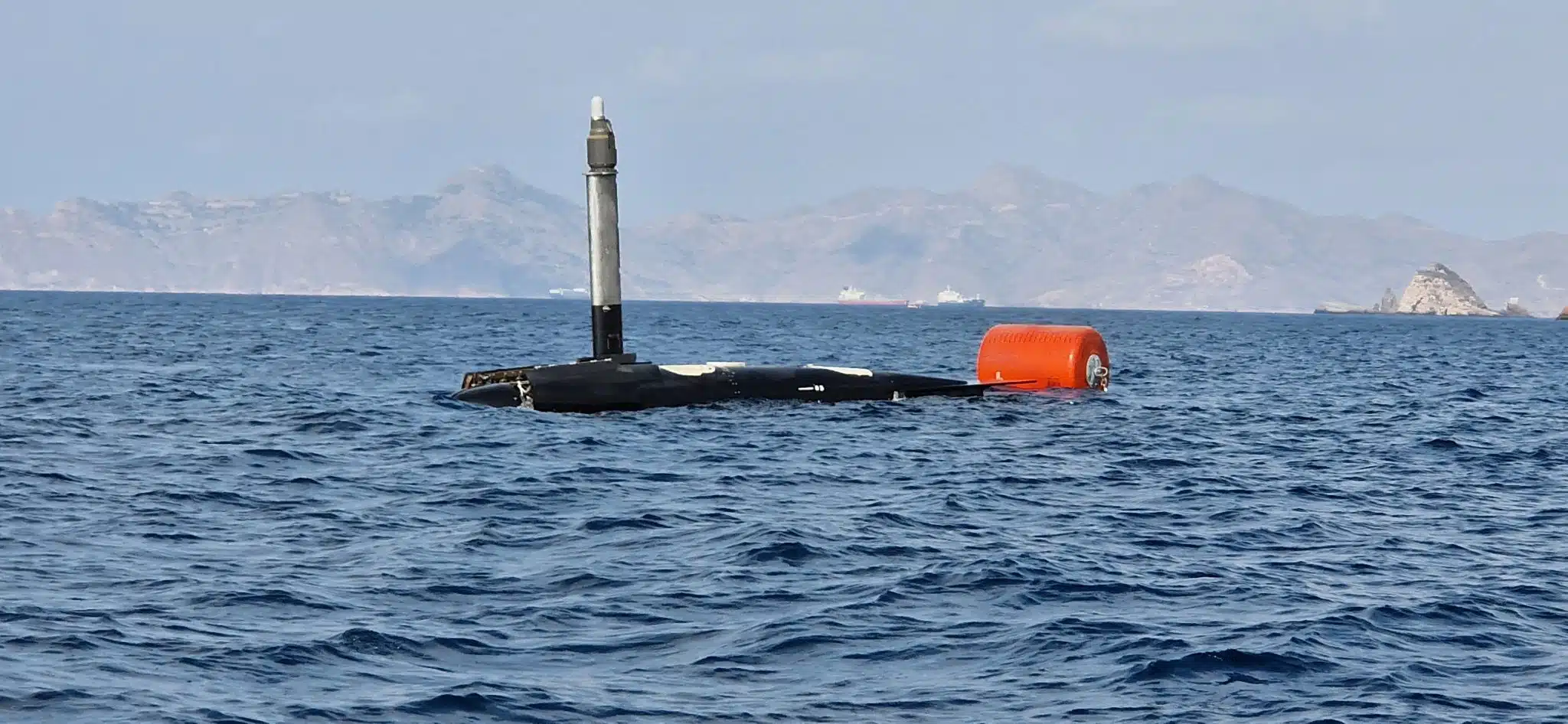
 Spanish shipbuilder Navantia has reached a major maritime milestone with the successful execution of the first static dive for the S-82 Narciso Monturiol, the second S-80 class submarine destined for the Spanish Navy. Conducted off the coast of Cartagena near the La Algameca Naval Base, the controlled trial brought together Navantia technical personnel and the vessel's specialized trials crew. This critical evaluation marks a primary safety checkpoint within the program's pre-delivery schedule as the fleet continues its technological evolution.

The primary objective of the static dive was to meticulously verify structural behavior, test the controlled flooding and venting of internal ballast tanks, and confirm overall static stability. By putting the hull through these controlled underwater evaluations, engineers can ensure the platform performs securely before transitioning to dynamic, full submerged navigation trials in open waters. Navantia leadership noted that the testing process is moving forward strictly in alignment with agreed production schedules.

The broader S-80 program represents one of the most advanced indigenous defense engineering projects in Europe, delivering state-of-the-art oceanic submarines equipped with cutting-edge air-independent propulsion (AIP) systems. This advanced propulsion architecture—combining high-efficiency bio-ethanol engines, a main electric motor, and a fuel cell unit—enables extended underwater endurance while significantly reducing the vessel's acoustic signature. Alongside the progress of the S-82, Navantia recently integrated diesel generator engines into the third hull in the series, the Cosme García, ensuring steady momentum across the four-boat production pipeline.

Highlighting the strategic importance of the milestone, Navantia Chairman Ricardo Domínguez emphasized that close cooperation between the Spanish Ministry of Defence, the Navy, and the industrial sector continues to reinforce national defense autonomy. Following the successful entry into service of the lead boat, the Isaac Peral, the upcoming delivery of the Narciso Monturiol will substantially elevate the operational capability of Spain's underwater combat branch. As these advanced platforms complete their final trials, they will provide the Spanish Navy with elite regional deterrence and power-projection capabilities for decades to come.

Furthermore, the rigorous evaluation metrics gathered during these sea trials provide vital engineering data for future blocks and prospective international export campaigns. As mid-sized conventional submarines face mounting demand globally, Spain's capability to field an independent design featuring advanced anaerobic propulsion positions Navantia as a formidable competitor in the defense market. The successful completion of this static dive reinforces confidence in the shipyard's long-term production capacity.

Ultimately, the steady advancement of the S-80 initiative underscores Europe's growing emphasis on sovereign defense manufacturing and technological self-reliance. By overcoming past developmental hurdles and achieving consistent operational milestones, the Spanish Navy is securing a dominant undersea deterrent posture. The upcoming trials phase will remain a critical focus as the fleet prepares to integrate the Narciso Monturiol into active service later this year.

Japan Begins Flight Testing Air-Launched Variant of Upgraded Type 12 Anti-Ship Missile to Expand Regional Reach


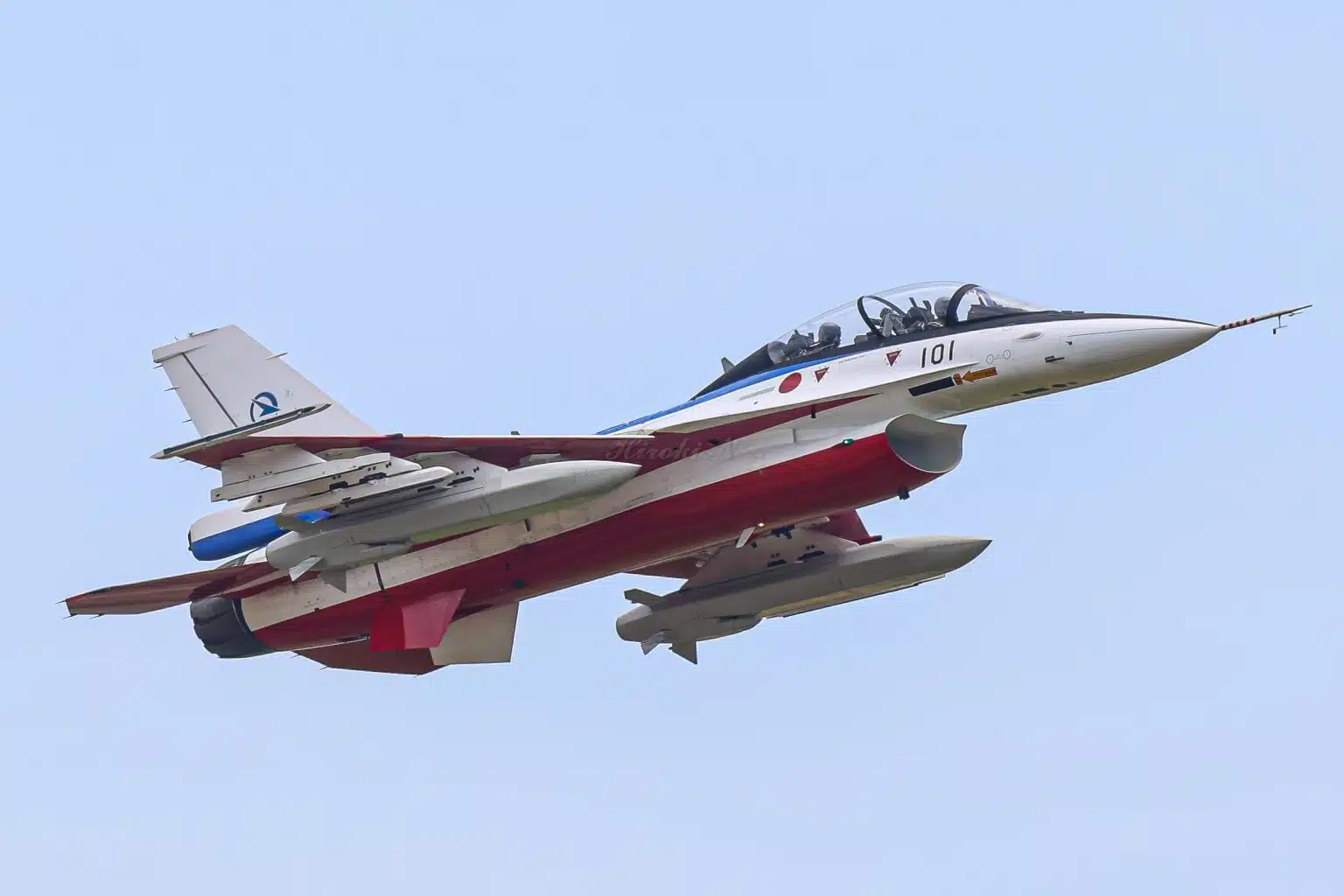
 The Japan Air Self-Defense Force (JASDF) has officially initiated flight evaluations for the air-launched variant of its next-generation long-range anti-ship missile. Photographed during initial testing at Gifu Air Base, a modified Mitsubishi F-2B fighter from the Air Development and Test Wing was observed carrying two inert models of the advanced weapon. This milestone marks the first public demonstration of airborne integration for the platform, which is widely designated as the Type 25 and evolves directly from the ground-based, upgraded Type 12 missile family.

Designed to provide a substantial leap over legacy systems, the new missile features an extended operational range estimated at approximately 1,000 kilometers, dwarfing the 200-kilometer reach of older baseline versions. The aerodynamic profile incorporates deployable wings and low-radar-cross-section shaping with angled fuselage lines, minimizing detection by enemy sensors. By adopting a common design suitable for deployment across land batteries, surface warships, and tactical aircraft, Tokyo is streamlining its expanding long-range inventory.

Pairing this extended-range munition with the Mitsubishi F-2 fighter dramatically increases the strategic flexibility of Japan's tactical aviation units. Because the F-2 boasts an impressive combat radius, launching a 1,000-kilometer class missile from the aircraft allows operators to engage maritime and select land targets deep within adversary territory without requiring immediate aerial refueling. This capability effectively transforms a traditional regional defense platform into a potent stand-off strike asset capable of operating beyond enemy anti-access/area-denial envelopes.

The timing of these flight tests aligns with a broader, rapid overhaul of Japan's military posture aimed at establishing credible counterstrike capabilities. Alongside airborne weapons development, the Japan Maritime Self-Defense Force recently achieved a major milestone by successfully firing its first Tomahawk cruise missile from a Kongō-class destroyer. Together, these parallel advancements underscore Tokyo's determined transition away from strictly passive defense toward a comprehensive deterrence network.

As flight trials continue through the development wing, defense planners will focus on validating release parameters, guidance software, and digital interoperability with the F-2's radar systems. Successfully operationalizing the air-launched Type 25 will give regional commanders an agile tool to safeguard maritime choke points and project power across contested waters. Ultimately, this milestone highlights Japan's resolute push to modernize its defense architecture amidst an increasingly complex security environment.

Chinese Military Researchers Leverage Leading U.S. AI Models to Advance Defense Systems via Model Distillation


 A comprehensive review of more than 80 Chinese academic papers and patents has revealed that military-linked researchers in China have systematically utilized outputs from advanced U.S. artificial intelligence models—including systems developed by OpenAI and Anthropic—to train domestic platforms. Published findings show that institutions connected to the People’s Liberation Army (PLA) are bypassing strict U.S. semiconductor export controls by harnessing frontier Western technologies as a shortcut for defense-related technological development.

The primary mechanism driving this cross-border transfer is a widely used industry method known as “model distillation”. In this process, the responses and complex reasoning patterns of a powerful "teacher" model are used to train smaller, specialized "student" models that require far less computing power. According to analysis compiled by the Washington-based Jamestown Foundation, Chinese military scientists are specifically leveraging this approach to capture the high-level logic of Western models for applications including surveillance, cyberwarfare, and tactical decision-making.

Specific case studies highlighted in the review outline diverse applications across multiple branches of the Chinese armed forces. For instance, researchers from a Beijing-based military cyberwarfare unit utilized OpenAI's GPT-3.5 to process and summarize sensitive software code, allowing them to subsequently train a local model capable of running securely within classified military networks. Similarly, teams at the North University of China—an institution closely tied to the country's weapons manufacturing sector—applied Anthropic's Claude 3 Haiku to generate synthetic training data for social media monitoring and content moderation tools.

Other defense applications include shrinking complex image-processing models to support real-time target recognition for unmanned aerial vehicles, surface ships, and autonomous submarines during simulated maritime operations. By adapting these architectures for edge computing, military developers can deploy advanced AI directly onto hardware with limited processing power. This strategy allows tactical units to maintain advanced data processing capabilities even when communication links to centralized servers are compromised.

The revelations have ignited a sharp political debate regarding intellectual property theft, national security loopholes, and the ultimate efficacy of existing export restrictions ahead of upcoming bilateral talks on AI governance. While U.S. officials and industry watchdogs warn that distillation undermines technological boundaries, Chinese developers and authorities have largely dismissed the allegations, arguing that the technique is standard industry practice.

Ultimately, this unfolding technological friction demonstrates how difficult it is to completely wall off frontier digital capabilities in an interconnected global ecosystem. As both superpowers race to secure a decisive edge in military automation, the practice of model distillation remains a critical flashpoint in the broader strategic competition for artificial intelligence supremacy.

New Poll Reveals Just One in Three Americans Backs Iran War Amid Widespread Confusion Over Strategic Goals


 A comprehensive new Reuters/Ipsos public opinion survey has revealed that only one in three Americans supports the ongoing military conflict against Iran. This metric marks the lowest level of public backing recorded since the hostilities began five months ago. With approval ratings consistently tracking below 40% since the initial joint U.S. and Israel air strikes were launched on February 28, the polling data underscores a deepening domestic disconnect regarding the trajectory of the military campaign.

Beyond low overall approval, a striking 69% of survey respondents stated that President Donald Trump has failed to clearly articulate the fundamental objectives of U.S. military involvement. This skepticism is not isolated to opposition circles; the data indicates that four out of ten self-identified Republicans share this uncertainty. Critics and war weary citizens alike have pointed to shifting White House justifications—ranging from degrading ballistic missile stockpiles and preventing nuclear proliferation to assisting local actors in regime change—as primary drivers of public confusion.

The erosion of public support arrives at a politically sensitive time, casting a long shadow over the administration and allied congressional candidates ahead of the upcoming November midterm elections. As lawmakers on Capitol Hill navigate slim legislative majorities, mounting constituent frustration over rising fuel costs, economic pressures, and operational expenditures has intensified partisan debates. Recent legislative actions, including narrow House resolutions attempting to curb unapproved military escalation, reflect a growing anxiety among elected officials eager to distance themselves from an increasingly unpopular endgame.

Despite the mounting domestic headwinds, the White House remains defiant against fluctuating public sentiment. Administration spokespeople have reiterated that national security decisions will be dictated by strategic necessity rather than fluid opinion metrics, emphasizing the commander-in-chief's core resolve to neutralize regional threats. However, as military expenditures climb and troop casualties mount, maintaining sustained public and legislative patience remains a formidable challenge for Pentagon leadership.

Ultimately, this widening gap between executive strategy and public consensus highlights the precarious political reality of protracted foreign engagements. Unless the administration can successfully clarify its long-term roadmap and alleviate economic blowback at home, the conflict with Iran risks becoming an increasingly isolated endeavor. Rebuilding domestic trust will require definitive diplomatic or military milestones that validate the immense human and financial costs invested thus far.