The Chinese People’s Liberation Army has officially released promotional footage showcasing glimpses of its advanced Chengdu J-36 sixth-generation stealth fighter, pushing the program to the forefront of global defense discourse. Long tracked by international intelligence agencies and aviation analysts through grainy, leaked imagery from test facilities like Lop Nur, this formal media inclusion marks Beijing's first official acknowledgment of the heavy, multirole combat aircraft. The move signals a high level of institutional confidence in the platform's aerodynamic maturation and structural design.
Designed by the Chengdu Aircraft Corporation, the J-36 features a radical, tailless diamond-double-delta wing configuration optimized for superior transonic and supersonic flight characteristics. Unlike conventional twin-engine layouts, this heavy stealth platform utilizes an unconventional three-engine architecture paired with recessed or vectoring exhaust systems designed to dramatically reduce both radar and infrared signatures. With an estimated maximum takeoff weight exceeding 50 tonnes, the aircraft is engineered for immense range and prolonged endurance, enabling deep-penetration missions across vast maritime theaters like the Indo-Pacific.
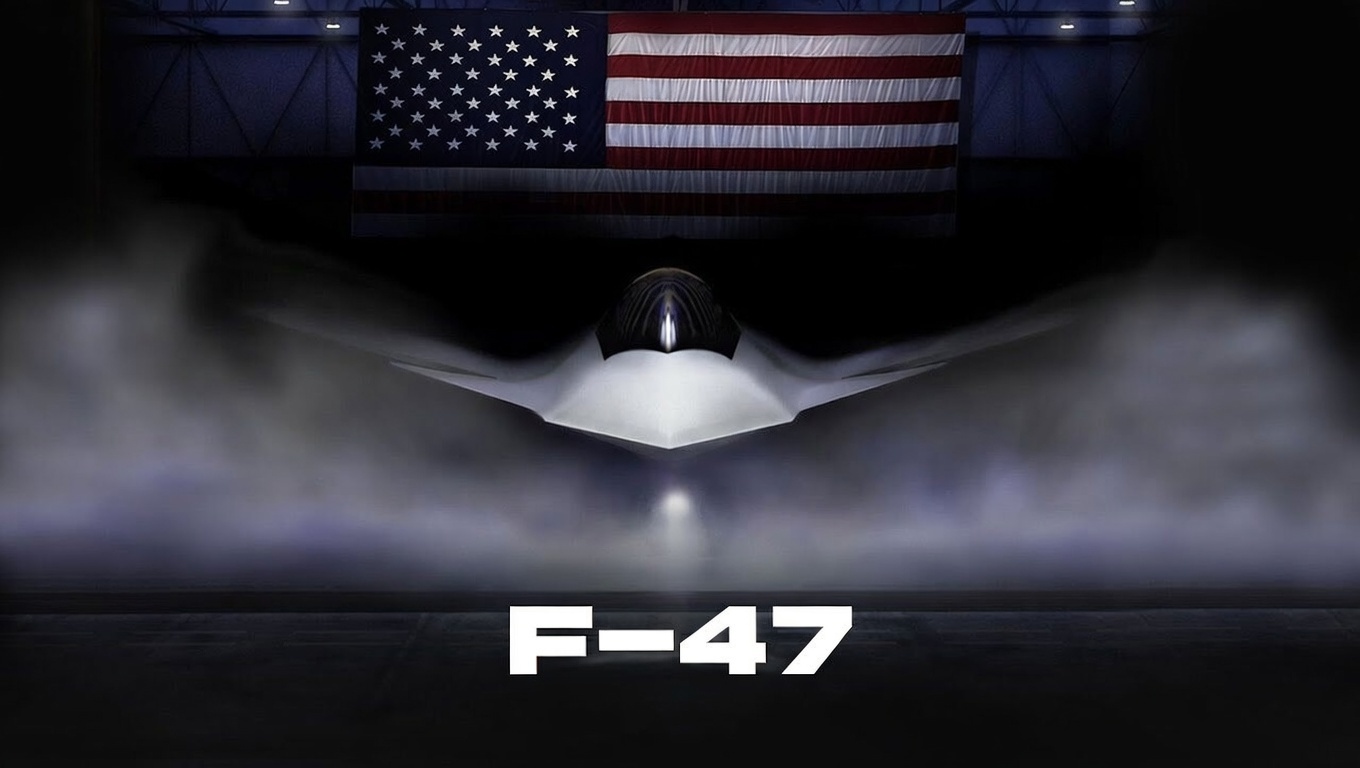
The revelation of official footage immediately intensifies the global tech-military rivalry, setting the stage for a high-stakes race against the United States Air Force's Boeing F-47 developed under the Next Generation Air Dominance (NGAD) initiative. While Washington's F-47 emphasizes a comprehensive "family of systems" approach with advanced adaptive cycle engines and collaborative combat aircraft, China's parallel development highlights an aggressive push toward distributed sensor-shooter capabilities. The J-36's spacious internal weapons bays and side-by-side cockpit seating strongly suggest a heavy emphasis on command-and-control teaming with unmanned loyal-wingman drones.
Military strategists note that the rapid transition of the J-36 from initial test flights to official media reveals underscores Beijing's capacity to compress traditional aviation prototyping cycles. By leveraging iterative software testing and advanced composite manufacturing, Chinese defense industries are attempting to close or invert historical capability gaps with Western aerospace power. However, critical unknowns remain regarding the true maturity of its complex sensor fusion, avionics suite, and long-term powerplant reliability.
Ultimately, the public unveiling of the J-36 redefines the baseline parameters of modern air superiority. As both superpowers pour immense capital into sixth-generation ecosystems, the balance of power in regional aerospace will increasingly depend on software resilience and autonomous integration. Navigating this new technological frontier ensures that the Indo-Pacific will remain the primary crucible for future military aviation development.


No comments:
Post a Comment