
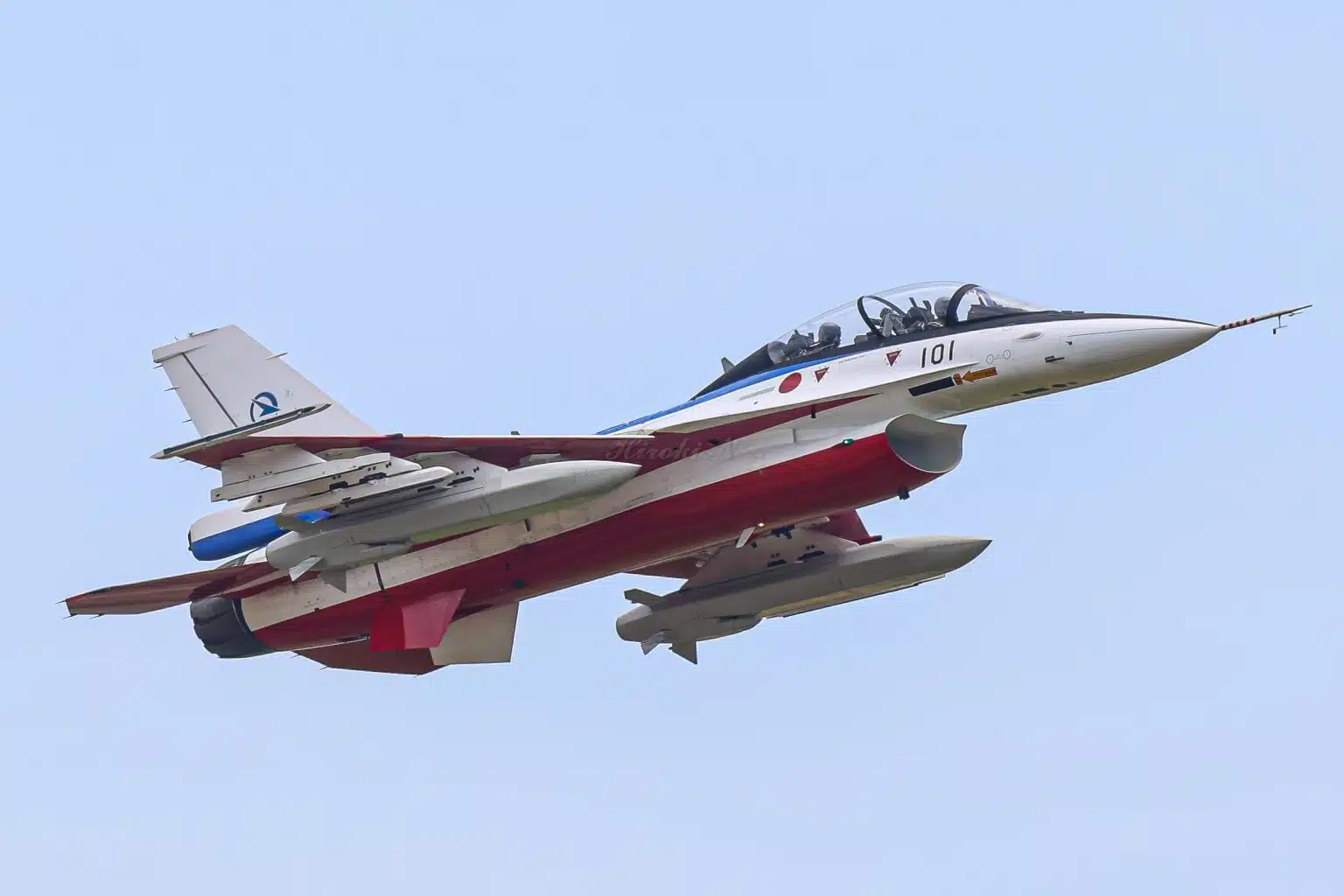
The Japan Air Self-Defense Force (JASDF) has officially initiated flight evaluations for the air-launched variant of its next-generation long-range anti-ship missile.
Designed to provide a substantial leap over legacy systems, the new missile features an extended operational range estimated at approximately 1,000 kilometers, dwarfing the 200-kilometer reach of older baseline versions.
Pairing this extended-range munition with the Mitsubishi F-2 fighter dramatically increases the strategic flexibility of Japan's tactical aviation units. Because the F-2 boasts an impressive combat radius, launching a 1,000-kilometer class missile from the aircraft allows operators to engage maritime and select land targets deep within adversary territory without requiring immediate aerial refueling.
The timing of these flight tests aligns with a broader, rapid overhaul of Japan's military posture aimed at establishing credible counterstrike capabilities.
As flight trials continue through the development wing, defense planners will focus on validating release parameters, guidance software, and digital interoperability with the F-2's radar systems. Successfully operationalizing the air-launched Type 25 will give regional commanders an agile tool to safeguard maritime choke points and project power across contested waters. Ultimately, this milestone highlights Japan's resolute push to modernize its defense architecture amidst an increasingly complex security environment.

No comments:
Post a Comment