Sunday, August 2, 2026

Australian Industry Reaches AUKUS Milestone as Domestic Steel Enters U.S. Virginia-Class Submarine Supply Chain


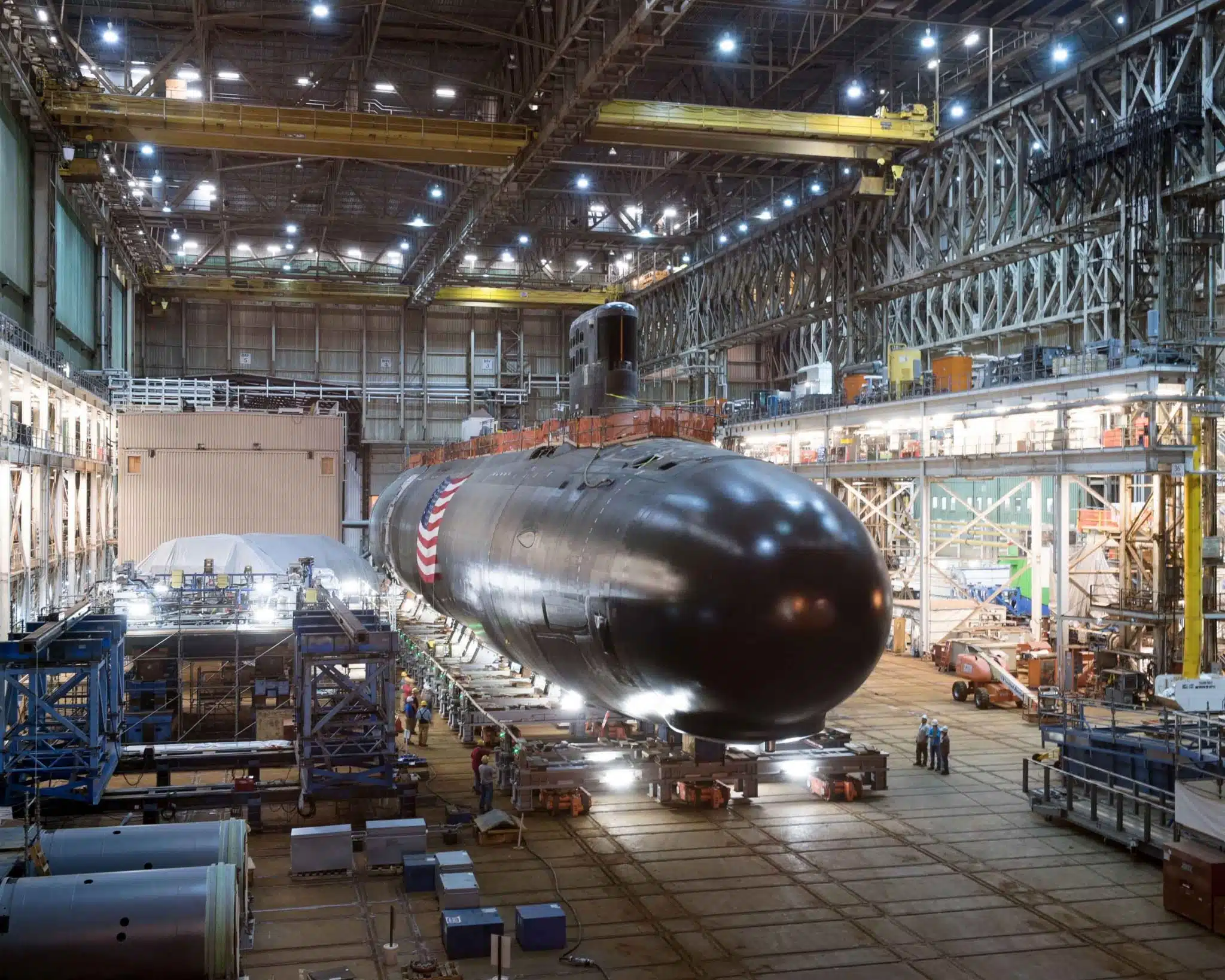
 In a landmark development highlighting the deepening industrial integration of the AUKUS security pact, Australian-made submarine-grade steel has been officially cleared for use in the construction of United States Navy Virginia-class nuclear-powered attack submarines. Australian specialty steelmaker Bisalloy Steels received a purchase order valued at approximately $2 million from major U.S. shipbuilder General Dynamics Electric Boat (GDEB) for specialized HY80 steel plate. This milestone marks the first time Australian-produced structural steel has successfully penetrated the highly controlled and demanding American nuclear submarine manufacturing enterprise.

The achievement is the direct result of extensive multi-agency collaboration and rigorous vetting through the Australian Government’s Defence Industry Vendor Qualification (DIVQ) Program. The qualification pathway required close coordination between Bisalloy, primary raw plate manufacturer BlueScope, the Australian Submarine Agency, GDEB, and the U.S. Direct Reporting Portfolio Manager for Submarines. Under the production split, BlueScope manufactures the base steel plate domestically, while Bisalloy executes the advanced, specialized processing and heat treatment necessary to meet the stringent chemical, mechanical, and fracture toughness standards required for naval submarine hulls.

Securing this initial supply chain entry addresses a critical industrial priority for the United States, which has actively sought to expand manufacturing capacity and build supply-chain resilience across its core defense base. For decades, the output velocity of the U.S. submarine enterprise has faced bottlenecks tied to raw material availability, skilled labor constraints, and intense fabrication demands. By certifying trusted allied industrial partners to provide high-yield structural components like HY80 steel, Washington can alleviate domestic industrial pressure while bolstering allied interoperability.

Beyond the immediate financial value of the contract, the milestone provides Australian manufacturing entities with invaluable production experience and quality-assurance credentials. Government and industry leaders emphasize that establishing high-standard traceable production workflows under AUKUS is essential for preparing Australia’s domestic workforce and industrial base to support its own future nuclear-powered submarine enterprise. Demonstrating compliance with exacting U.S. military standards opens the door for local firms to compete for larger, long-term procurement opportunities as trilateral defense cooperation deepens.

Ultimately, the integration of Australian steel into the Virginia-class program moves the AUKUS framework past high-level strategic announcements and into tangible industrial reality. As Bisalloy and BlueScope execute this foundational order, the success of the initiative will serve as a vital stress-test for how effectively allied supply chains can be synchronized to support high-end naval dominance in the decades ahead.

Russia Floats Out Advanced Yasen-M Nuclear Attack Submarine Ulyanovsk from Sevmash Shipyard


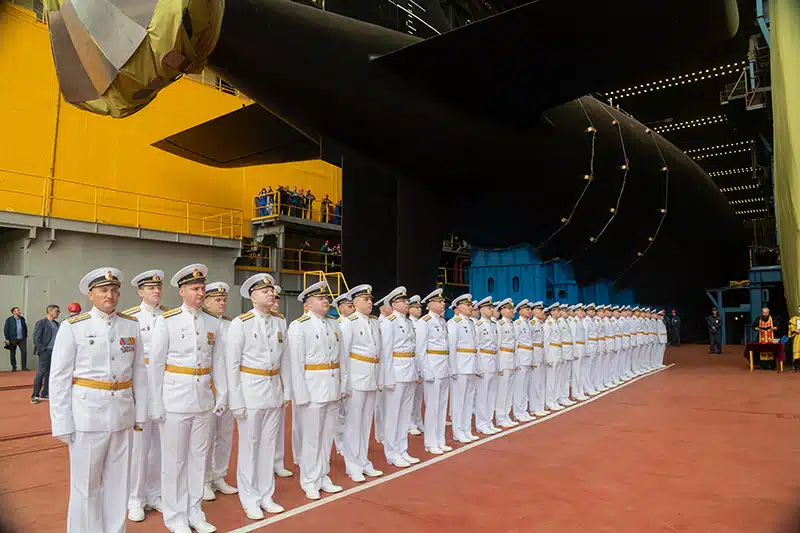
 The Russian Sevmash shipbuilding enterprise has officially rolled out and floated the Ulyanovsk, the latest Project 885M (Yasen-M) class multirole nuclear-powered cruise missile submarine. Marked by a formal ceremony at the shipyard in Severodvinsk exactly nine years after its keel-laying on July 28, 2017, the milestone transitions the heavy stealth platform from baseline hull construction into the final phases of outfitting, systems integration, and pier-side testing. Russian naval command has slated the vessel for formal delivery to the Northern Fleet following the conclusion of state and sea trials targeted for late 2027.

As the sixth modernized serial-built variant in the Yasen class lineage, the Ulyanovsk incorporates extensive acoustic suppression measures, vibration-damped machinery mountings, and a massive spherical bow sonar array designed to provide exceptionally long passive and active detection ranges. Displacing roughly 13,800 tons submerged, the submarine is powered by a single 190 MW pressurized water nuclear reactor driving a pump-jet propulsion system, enabling underwater speeds exceeding 31 knots and operational diving depths down to 600 meters.

The platform’s combat punch centers on its versatile vertical launch system (VLS) silos, engineered to field a mixed payload of up to 40 Kalibr land-attack cruise missiles, P-800 Oniks anti-ship weapons, or upcoming 3M22 Zircon hypersonic cruise missiles. This heavy-strike capacity is paired with ten 533mm torpedo tubes relocated further aft to accommodate the voluminous bow sonar, allowing the vessel to simultaneously execute anti-submarine warfare, covert intelligence gathering, and strategic conventional deterrence missions across contested maritime approaches.

The float-out event closely aligns with broader announcements from Russian Navy Commander-in-Chief Admiral Alexander Moiseyev confirming that the preceding Yasen-M boat, the Perm, is on track to enter active service before the end of the year as the world's first operational submarine armed natively with Zircon hypersonic missiles. With additional hulls such as the Murmansk recently laid down and others progressing through active assembly lines, Moscow is methodically replacing its aging legacy Soviet-era attack submarine inventory with standardized, highly automated fourth-generation platforms.

Ultimately, the steady expansion of the Yasen-M fleet underscores Moscow's long-term commitment to projecting undersea power across the Arctic, the Barents Sea, and the North Atlantic. As the Ulyanovsk begins its extensive trials itinerary ahead of its late 2027 commissioning, the continued fielding of these low-signature, heavily armed cruise missile submarines poses an escalating tactical challenge to NATO force-protection architectures and maritime dominance in northern European waters.

Fly, Fix, Defend: Air Force Chief of Staff Gen. Kenneth Wilsbach Pushes for Heightened Readiness and Base Security


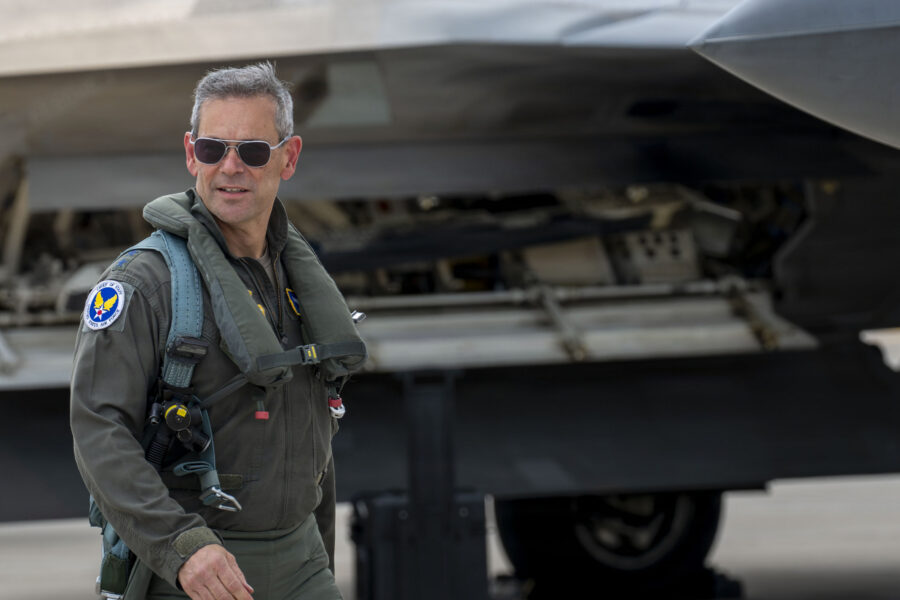
 As the United States Air Force navigates a relentless operational tempo spanning global theaters, Chief of Staff Gen. Kenneth S. Wilsbach is spearheading an aggressive push to optimize service-wide readiness under a guiding operational philosophy: "Fly and Fix" so the force can fight and win when called upon. Following months of high-intensity contingency deployments—ranging from counter-narcotics operations in the Western Hemisphere to massive air campaigns in the Middle East—Wilsbach’s leadership focuses heavily on cutting through logistical friction, prioritizing forward-deployed spare parts, and ensuring that deployed fleets maintain maximum combat availability.

A cornerstone of Wilsbach’s evolving strategy addresses the critical vulnerability of modern air installations to asymmetric threats, particularly low-cost one-way attack drones. Drawing direct lessons from recent conflicts where saturation drone strikes challenged regional air defenses, the Air Force is actively establishing a dedicated new career field focused exclusively on base defense. Moving beyond traditional perimeter security, these specialized Airmen will leverage tactical counter-UAS systems developed in coordination with the Pentagon's Joint Task Force 401, alongside low-cost passive protections such as protective netting over aircraft and critical infrastructure.

Simultaneously, Wilsbach emphasized that static defense measures must be paired with aggressive offensive capabilities, noting that intercepting hostile drones before they approach valuable assets remains a primary tactical objective. However, structural constraints such as the extreme cost and prolonged construction timelines of traditional hardened aircraft shelters mean the service must innovate rapidly through agile combat employment (ACE) concepts, decentralized staging, and disciplined risk management across contested environments.

To sustain long-term combat power without breaking the bank, Wilsbach is heavily advocating for multi-year procurement contracts across both tactical aircraft and advanced munitions. By providing defense industrial base partners with predictable, multi-year funding streams, the Air Force hopes to stabilize fragile supply chains, accelerate production velocity, and drive down unit-cost curves. Nevertheless, service leadership concedes that without additional budgetary top-lines, difficult calculated risks will inevitably have to be balanced between near-term readiness accounts and next-generation modernization programs.

Ultimately, Wilsbach's strategic roadmap underscores a pivotal cultural and operational pivot for an Air Force operating in an increasingly volatile global security environment. By tying technical excellence, rigorous maintenance standards, and innovative base defense directly to core warfighting credibility, the service aims to future-proof its global projection power. As these readiness initiatives take root across active-duty and reserve wings, they will serve as the definitive benchmark for American air power dominance in the years ahead.

Ukraine Unlikely to Establish Domestic Patriot Missile Production Due to High Technological Hurdles and Security Risks


United States President Donald Trump has cast significant doubt on whether Washington will ultimately permit Ukraine to manufacture MIM-104 Patriot missile interceptors domestically. Despite earlier political agreements and pledges regarding production licenses discussed on the sidelines of the NATO summit in Ankara, recent statements reflect mounting hesitation over transferring sensitive military technology into an active combat zone. Industry officials and defense analysts have repeatedly emphasized that the industrial, technical, and security barriers involved make localized manufacturing extremely improbable in the near term.

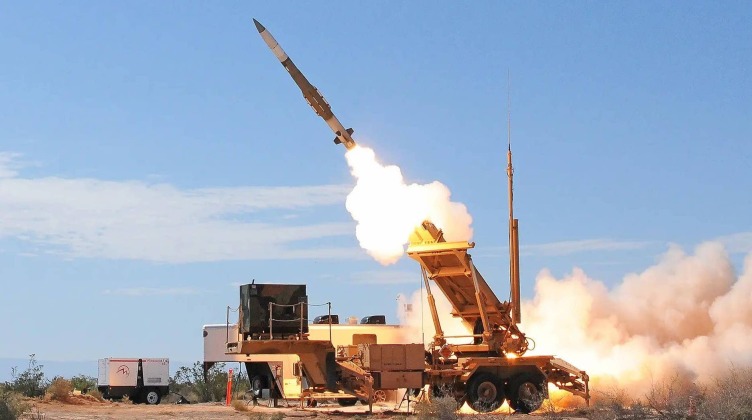
The hurdles stem primarily from the extreme complexity of the Patriot system itself. Interceptors like the PAC-3 rely on intricate radar seekers, advanced guidance electronics, specialized rocket motors, and sophisticated software that depend on tightly integrated international supply chains. Manufacturing these components requires specialized industrial facilities that do not currently exist within Ukraine. Furthermore, major American defense contractors—such as Boeing, which builds crucial elements for the missile's guidance systems—remain deeply reluctant to authorize the export or external production of their most sensitive technology.

Compounding these technological roadblocks are severe security considerations. Any high-tech facility dedicated to producing advanced air defense interceptors inside Ukraine would immediately become a top-priority target for long-range Russian precision strikes. Because of these persistent dangers, defense experts suggest that if licensed production moves forward at all, it will likely be established within a stable European NATO member state—such as Germany—with manufacturing or final assembly shifting into Ukraine only after active hostilities conclude.

The debate over domestic manufacturing unfolds against a backdrop of acute global supply shortages. Staggering expenditure rates during recent conflicts in the Middle East and Eastern Europe have heavily drained Western arsenals, leaving production lines struggling to keep pace with demand. With the U.S. Army and allied nations grappling with depleted stockpiles, the friction over technology transfer highlights the immense difficulties of scaling the production of exquisite, low-density munitions during a prolonged war of attrition.

Ultimately, the prospect of a self-sustaining Ukrainian Patriot manufacturing base remains hindered by both geopolitical caution and industrial realities. As Washington and its allies weigh the risks of intellectual property exposure and frontline vulnerability, Kyiv continues to rely entirely on constrained external supply pipelines to replenish its dwindling air defense shields. Navigating these strategic bottlenecks will remain a critical challenge for sustaining European missile defense architectures in high-intensity operational environments.

Russia Unveils Heavily Up-Armored T-80BVM Variant Featuring Advanced Integrated Anti-Drone Protection Systems


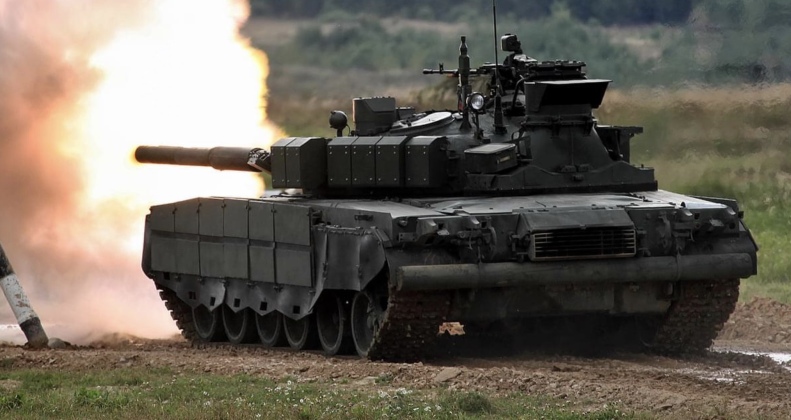
Newly surfaced media from Russian defense channels has revealed a previously unseen sub-variant of the T-80BVM main battle tank, showcasing an extensive up-armored configuration designed for high-intensity frontline combat. As Russia's most complex and costly Cold War-era armored platform, the T-80 has experienced a major operational resurgence during the conflict in Ukraine. This latest iteration introduces radical structural modifications aimed at maximizing crew survivability against modern saturation threats, most notably pervasive first-person-view (FPV) drones and loitering munitions.

The most prominent feature of the newly revealed upgrade package is a heavily redesigned, factory-integrated turret-mounted anti-drone canopy, widely known among troops as a "mangal". Moving far beyond the improvised metal slat cages hastily welded onto early-war armor, this new configuration features a low-profile, structurally integrated mesh architecture that provides comprehensive overhead and lateral coverage across the turret roof. The system is engineered to force premature detonations of incoming shaped-charge warheads before they can impact the thinner composite or upper deck armor of the vehicle.

Beneath the specialized superstructure, the T-80BVM retains its core high-performance characteristics that distinguish it from standard diesel-powered counterparts like the T-72 and T-90. Powered by an aviation-derived gas turbine engine, the tank boasts an exceptional power-to-weight ratio, delivering superior acceleration, unmatched reverse speeds, and reliable cold-weather startup performance down to extreme sub-zero temperatures. These mobility traits have made the platform a favored asset among elite Russian armored formations operating across challenging terrain in the Ukrainian theater.

The rolling modernization of the T-80 fleet also incorporates upgraded Relikt explosive reactive armor (ERA) blocks, enhanced multi-channel gunner and commander thermals, refined fire-control computers, and compatibility with advanced 125mm kinetic and guided munitions. While the extreme fuel consumption and intricate maintenance demands of its gas turbine powerplant have historically limited its mass adoption compared to simpler diesel designs, its proven combat utility has driven ongoing fleet expansions and long-term industrial re-evaluation.

Ultimately, the appearance of this heavily up-armored T-80BVM variant underscores how rapidly armored vehicle survivability doctrines are evolving to match drone-heavy battlefield realities. As defense manufacturers continue to iterate on factory-standard protective countermeasures, platforms like the T-80 remain at the bleeding edge of modern ground combat vehicle development.

U.S. EUCOM Commander Issues Urgent Warning That Navy Cannot Sustain Israeli Airspace Defense Amid Severe Missile Shortages


 The Commander of U.S. European Command (EUCOM), General Alexus Grynkewich, has formally notified senior defense leadership in writing that the U.S. Navy faces critical resource constraints and acute interceptor shortages that threaten its ability to maintain ongoing air and missile defense support for Israel. The stark warning highlights the immense operational strain placed on the U.S. surface fleet by continuous high-intensity engagements against sophisticated ballistic missile and drone barrages across the Middle East.

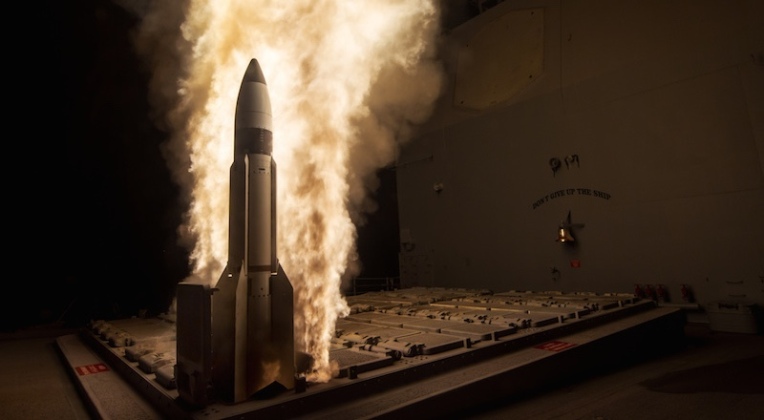
For months, U.S. Navy destroyers equipped with the Aegis Combat System and armed with Standard Missile-3 (SM-3) and Standard Missile-6 (SM-6) interceptors have served as an essential layer of Israel's integrated air defense architecture. Operating primarily within the eastern Mediterranean and Red Sea zones, these warships have routinely intercepted long-range missiles launched by Iran and its regional proxies. However, military analysts note that the staggering expenditure rate of these multi-million-dollar interceptors has dramatically outpaced the defense industrial base's capacity to replenish stockpiles.

According to internal Pentagon assessments, the prolonged conflict has rapidly hollowed out core strategic inventories. During early phases of regional hostilities, U.S. forces expended massive portions of their defensive reserves, including over a hundred SM-3 and SM-6 rounds alongside more than half of the U.S. Army's available interceptors for the ground-based THAAD system. With production lines struggling to close the gap, General Grynkewich's directive stresses that the command is running dangerously low on the very munitions required to safeguard allied airspace.

The crisis is further compounded by competing global responsibilities and a tight fleet-wide inventory of Arleigh Burke-class destroyers. Beyond intercepting incoming threats over Israel, these multi-mission warships are simultaneously tasked with carrier strike group escorts, anti-submarine warfare, and vital deterrence patrols across European waters to counter potential Russian long-range missile threats. General Grynkewich warned that without immediate force reinforcements, sustaining active-duty deployments in the Mediterranean risks compromising readiness and homeland defense priorities.

Ultimately, this unfolding inventory crisis underscores the unsustainable economic and logistical realities of countering massed missile saturation with exquisite, low-density interceptors. As defense leaders and congressional committees evaluate long-term solutions—ranging from accelerated Arleigh Burke hull procurement to expanded production contracts for advanced SM variants—the military balance in the Middle East faces a pivotal bottleneck. Balancing immediate allied commitments against global strategic reserve thresholds will remain one of the Pentagon's most critical challenges in the near term.

UAE Integrates Indigenous Desert Sting Munitions onto Mirage 2000 Fleet Amid Heightened Regional Tensions with Iran


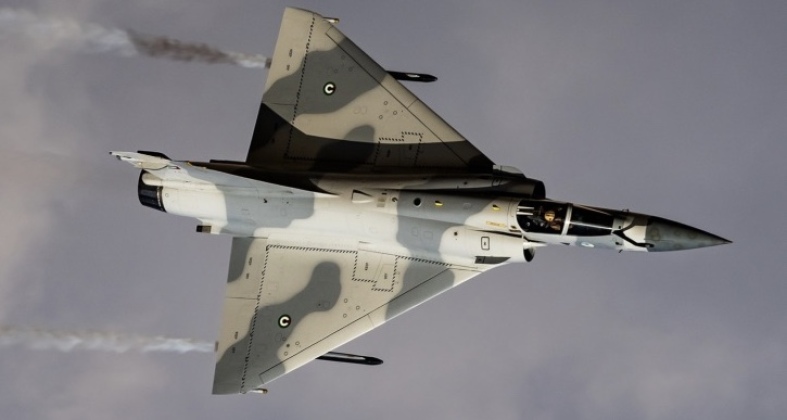
 The United Arab Emirates has officially unveiled a significant new strike capability for its Dassault Mirage 2000-9 fighter fleet, highlighted by the integration of the domestically developed Desert Sting precision-guided munition family. Showcased by the state-owned defense conglomerate EDGE Group, the upgrade demonstrates the Gulf nation's growing capacity to equip legacy fourth-generation platforms with advanced, home-grown weapons systems. The enhancement arrives as regional air clashes and ongoing tactical engagements involving Iran continue to shape military readiness across the Middle East.

The Desert Sting program represents one of the UAE’s most ambitious indigenous guided-weapon initiatives, designed to convert conventional gravity bombs into high-accuracy precision munitions via modular guidance kits. Utilizing a combination of satellite navigation, inertial guidance systems, and optional laser-homing configurations for terminal accuracy, the weapons allow fighter aircraft to engage both stationary and moving targets at a fraction of the cost of imported Western equivalents. Procured originally in the 1990s, the Mirage 2000-9 remains a key pillar of the UAE Air Force alongside newer F-16E/F Block 60 fighters.

Military analysts note that while the integration of local precision weapons provides valuable operational flexibility, the utility of legacy single-engine platforms like the Mirage 2000 in high-threat environments remains constrained. Facing dense, sophisticated Iranian air defense networks, penetration missions carry severe risks, even for advanced stealth aircraft. Furthermore, the Mirage 2000 suffers from a relatively low thrust-to-weight ratio and lighter radar payload capacity compared to heavier twin-engine competitors or modernized 4+ generation platforms.

Despite these structural limitations, the public display of the upgraded Mirage 2000 strike configuration underscores Abu Dhabi’s broader push toward defense industrial self-reliance. By pairing mature airframes with cost-effective domestic munitions, the UAE aims to sustain a credible conventional deterrent and reduce its absolute reliance on foreign supply chains during prolonged regional contingencies.

NATO Prepares Major Nuclear Force Expansion Across Europe to Counter Rising Russian Strategic Threats


The North Atlantic Treaty Organization is actively formulating strategic plans to expand and reinforce its nuclear deterrence posture across Europe in response to persistent escalatory signaling from Moscow. According to recent defense policy assessments, the alliance is reviewing options to augment its tactical nuclear infrastructure, addressing what military planners describe as a critical window of vulnerability. The renewed focus on atomic readiness underscores how rapidly European security architecture has shifted to counter expanding Russian nuclear and hybrid postures.

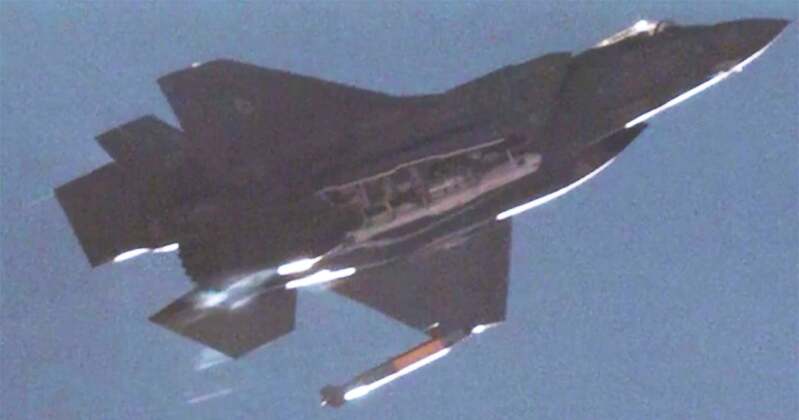
The proposed expansions primarily center on non-strategic nuclear weapons designed to counter theater-level threats, including massed enemy armor, airfields, command nodes, and naval facilities. Current options under discussion include the potential deployment of additional U.S. tactical nuclear assets to forward allied bases. Defense analysts note that modernized B61-12 gravity bombs are already heavily integrated into NATO's forward-deployment planning, with specialized infrastructure upgrades underway at key installations across Western and Central Europe to ensure maximum operational readiness.

While long-standing arrangements have relied on a baseline inventory of roughly 100 tactical nuclear bombs stored across select European air bases, changing threat perceptions have prompted renewed openness from alliance leadership. During recent high-level consultations, NATO Secretary General Mark Rutte explicitly refused to rule out stationing additional U.S. nuclear assets within allied member states. Furthermore, as security conditions deteriorate along the alliance's eastern flank, strategic discussions have increasingly evaluated whether frontline nations such as Poland, Finland, or the Baltic states could eventually factor into extended nuclear sharing frameworks.

This transatlantic nuclear reassessment parallels independent European initiatives aimed at building localized strategic autonomy. Alongside traditional U.S.-led nuclear sharing, several European capitals have engaged in high-level talks regarding France’s "forward nuclear deterrence" doctrine and expanded defense consultations with London. These parallel efforts reflect a growing consensus that European NATO members must take on a larger share of their own collective defense burden, combining conventional deep-strike capabilities with a credible, multi-layered nuclear deterrent.

Ultimately, NATO’s concerted push to modernize and expand its nuclear posture marks a definitive turning point for continental security. By signaling absolute collective resolve against nuclear coercion, the alliance aims to deter potential aggression and secure strategic stability across Europe for the decades ahead. As these internal defense reviews progress, they will heavily influence upcoming alliance force-posture decisions.

President Xi Calls for Accelerated Military AI Integration as PLA Pursues ‘Intelligent Warfare’


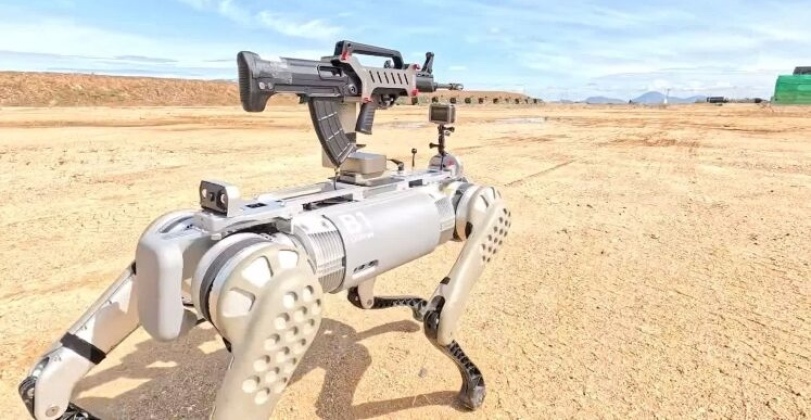
 Chinese President and Chairman of the Central Military Commission Xi Jinping has issued a direct mandate calling on the People’s Liberation Army (PLA) to aggressively accelerate the military application of artificial intelligence and unmanned systems. Delivered during a high-level Politburo group study session ahead of the PLA’s 99th anniversary, the directive emphasizes the rapid construction of an "intelligent military system". Beijing's top leadership stressed that emerging autonomous technologies will serve as the decisive edge in future combat operations, marking a profound shift in modern force development.

According to statements released by state media, the strategic guidance instructs the armed forces to weave artificial intelligence deeply into operational planning, command-and-control networks, unmanned combat platforms, and comprehensive battlefield management. For over a decade, Chinese defense planners have categorized military evolution through a distinct three-stage progression: mechanization, informatization, and ultimately "intelligentization." Under this current framework, AI is no longer viewed as a standalone auxiliary asset, but rather as an all-encompassing cognitive enabler designed to augment or replace human functions during high-intensity conflict.

This accelerated push directly supports broader institutional timelines targeting the PLA's upcoming centenary in 2027, a milestone by which Beijing aims to achieve decisive milestones in military modernization. Observers note that the integration of machine learning and autonomous driving algorithms across land, sea, air, and cyber domains mirrors parallel technological rivalries with the United States. By fostering deep collaboration between state-owned defense conglomerates and private tech sectors, China aims to secure dominant capabilities in distributed sensor-to-shooter loops and robotic swarming.

Concurrently, the leadership directives reinforced the absolute political control of the Communist Party over the armed forces, coupling technological transformation with rigorous anti-corruption campaigns and stricter oversight of major defense acquisitions. Ensuring the structural integrity and quality management of next-generation projects is considered vital to preventing waste and guaranteeing battlefield reliability. Combat effectiveness and rigorous, scenario-oriented testing will remain the ultimate metrics by which high-quality modernization is evaluated.

Ultimately, this high-level policy push underscores Beijing's unwavering commitment to dominating the next paradigm of military technology. As global superpowers race to field resilient, software-driven combat ecosystems, the transition toward intelligent warfare is set to fundamentally reshape regional strategic stability and doctrine across the Indo-Pacific for decades to come.

Turkey’s KAAN Stealth Fighter Enters Powered Taxi Trials Ahead of Maiden Flight for Advanced P1 Prototype


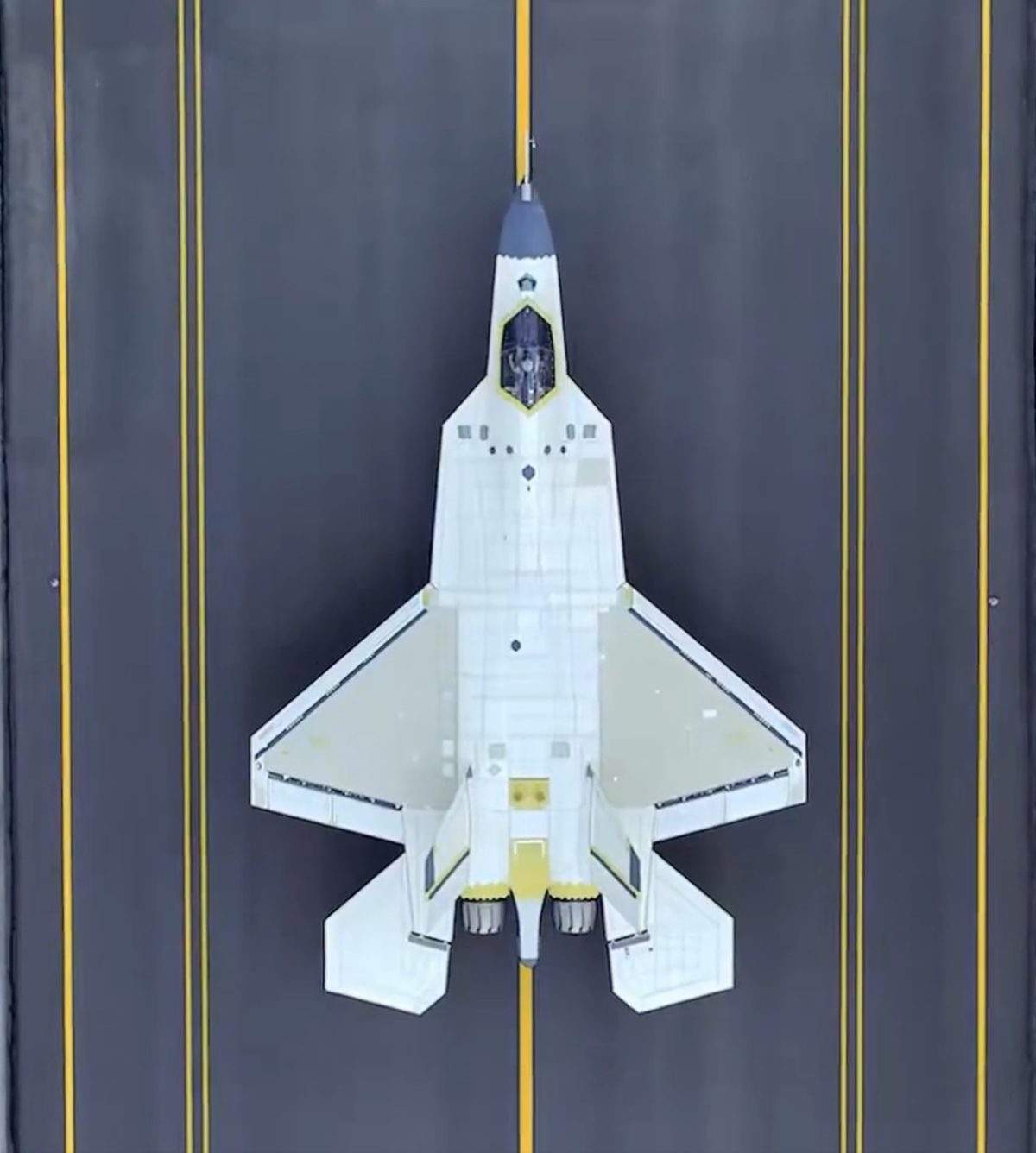
Turkish Aerospace Industries (TAI) has officially commenced pre-flight taxi evaluations for the advanced P1 prototype of the national fifth-generation combat aircraft, KAAN. Captured in footage released from the company's facilities in Kahramankazan, Ankara, the twin-engine stealth fighter was observed moving under its own power along the flight line. This critical ground-test milestone marks a major step forward in expanding Turkey's flight-test fleet, following the initial proof-of-concept flights executed by the baseline P0 airframe.

The P1 prototype incorporates substantial aerodynamic and structural refinements derived from data collected during earlier test cycles. Visible updates include subtle contour revisions around the engine air intakes, modified fuselage back geometry, altered placement lines for the main landing gear, and integrated provisions for advanced optical sensors such as electro-optical and infrared search-and-track (IRST) tracking systems. Unlike the initial demonstrator, the P1 airframe features a far more production-representative systems architecture, paving the way for intensive avionics and software integration trials.

This ground milestone follows closely on the heels of major technological achievements across Turkey's domestic defense ecosystem, including Baykar's Kızılelma uncrewed combat air vehicle successfully executing historic internal weapon bay firings. Designed to operate as a core manned asset alongside advanced loyal-wingman platforms like the Kızılelma and ANKA-3, the KAAN is intended to form the future backbone of the Turkish Air Force. Initial prototypes and early production batches are powered by dual General Electric F110 turbofan engines, while indigenous powerplant development continues to progress in parallel for subsequent blocks.

With ground trials now underway, TAI leadership anticipates that the P1 prototype will take to the skies for its maiden flight within the next couple of months. Furthermore, assembly work on a third prototype, designated P2, is moving swiftly toward completion, with corporate objectives targeting dual-aircraft flight testing before the end of the year. Running multiple test airframes in parallel is viewed as essential if Turkish aerospace engineers hope to maintain their ambitious schedule toward initial service entry.

Ultimately, the progression of the KAAN program underscores Ankara's unwavering push toward complete technological self-reliance in high-end tactical aviation. As the P1 prototype advances through its remaining pre-flight checks, the global defense community continues to monitor Turkey's emergence as a formidable producer of fifth-generation combat systems.