The North Atlantic Treaty Organization is actively formulating strategic plans to expand and reinforce its nuclear deterrence posture across Europe in response to persistent escalatory signaling from Moscow. According to recent defense policy assessments, the alliance is reviewing options to augment its tactical nuclear infrastructure, addressing what military planners describe as a critical window of vulnerability. The renewed focus on atomic readiness underscores how rapidly European security architecture has shifted to counter expanding Russian nuclear and hybrid postures.
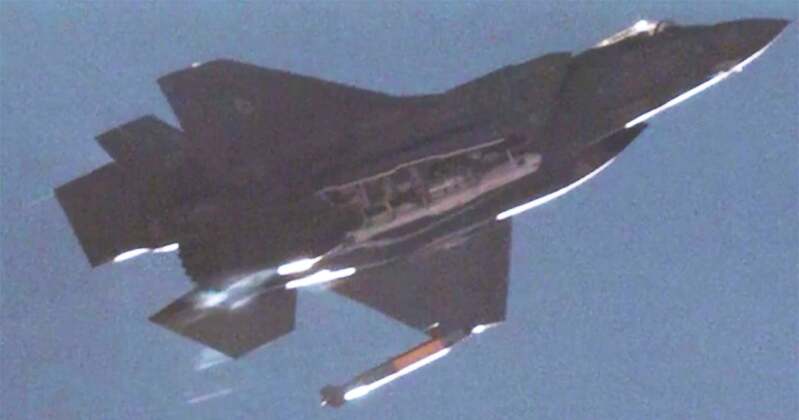
The proposed expansions primarily center on non-strategic nuclear weapons designed to counter theater-level threats, including massed enemy armor, airfields, command nodes, and naval facilities. Current options under discussion include the potential deployment of additional U.S. tactical nuclear assets to forward allied bases. Defense analysts note that modernized B61-12 gravity bombs are already heavily integrated into NATO's forward-deployment planning, with specialized infrastructure upgrades underway at key installations across Western and Central Europe to ensure maximum operational readiness.
While long-standing arrangements have relied on a baseline inventory of roughly 100 tactical nuclear bombs stored across select European air bases, changing threat perceptions have prompted renewed openness from alliance leadership. During recent high-level consultations, NATO Secretary General Mark Rutte explicitly refused to rule out stationing additional U.S. nuclear assets within allied member states. Furthermore, as security conditions deteriorate along the alliance's eastern flank, strategic discussions have increasingly evaluated whether frontline nations such as Poland, Finland, or the Baltic states could eventually factor into extended nuclear sharing frameworks.
This transatlantic nuclear reassessment parallels independent European initiatives aimed at building localized strategic autonomy. Alongside traditional U.S.-led nuclear sharing, several European capitals have engaged in high-level talks regarding France’s "forward nuclear deterrence" doctrine and expanded defense consultations with London. These parallel efforts reflect a growing consensus that European NATO members must take on a larger share of their own collective defense burden, combining conventional deep-strike capabilities with a credible, multi-layered nuclear deterrent.
Ultimately, NATO’s concerted push to modernize and expand its nuclear posture marks a definitive turning point for continental security. By signaling absolute collective resolve against nuclear coercion, the alliance aims to deter potential aggression and secure strategic stability across Europe for the decades ahead. As these internal defense reviews progress, they will heavily influence upcoming alliance force-posture decisions.


No comments:
Post a Comment