German defense technology giant Rheinmetall has officially unveiled the GMF140, a next-generation guided-missile frigate engineered to deliver heavy combat power across blue-water and littoral environments. Measuring 140 meters in length and displacing upwards of 6,000 tonnes, the new platform is specifically designed to meet the rigorous multi-mission requirements of NATO and allied navies confronting high-threat operational landscapes. Rheinmetall has indicated that it intends to pitch the platform initially as part of upcoming naval procurement campaigns in North America before expanding to broader international markets.
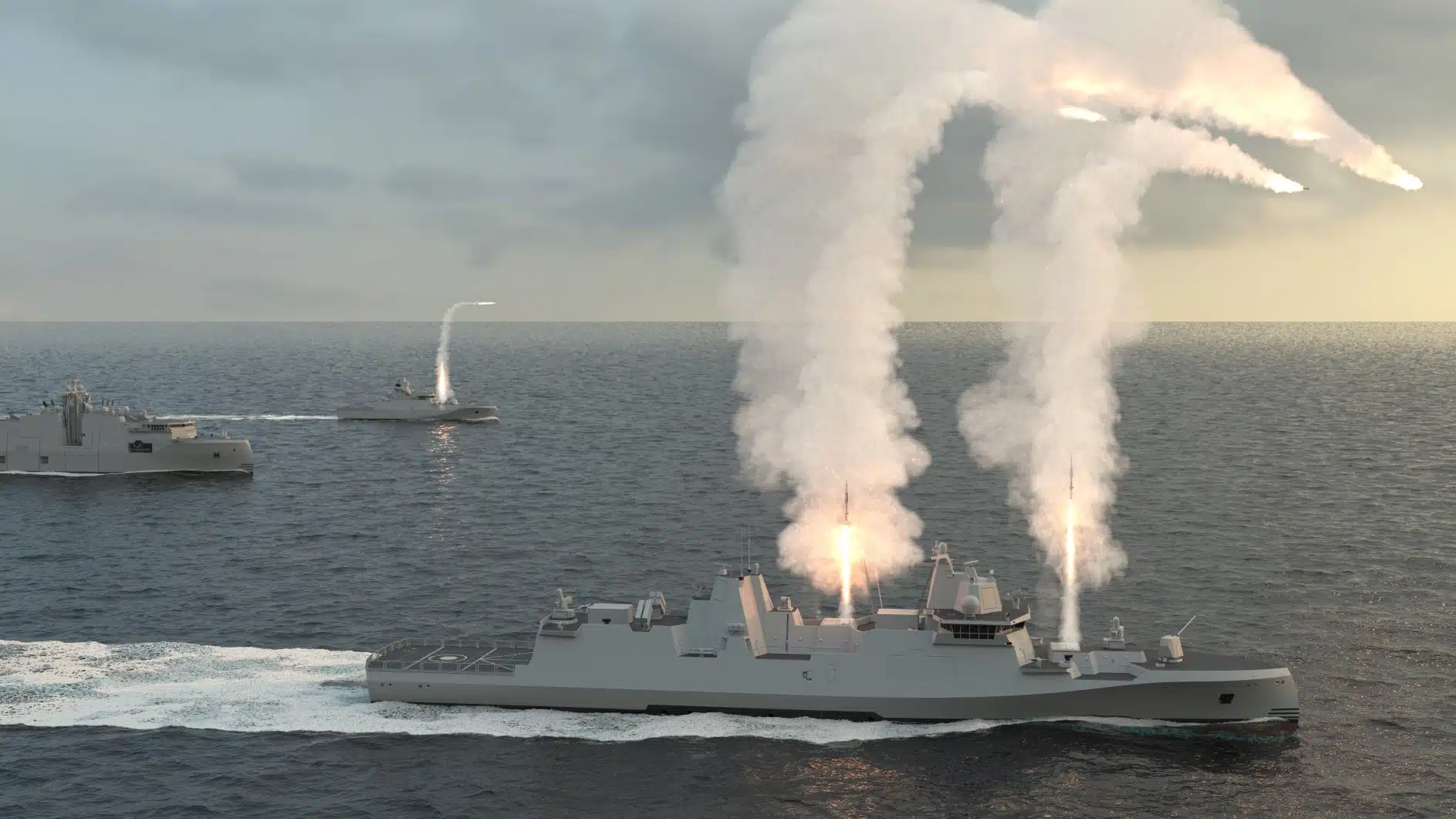
The combat architecture of the GMF140 bridges the traditional capability gap between standard frigates and larger destroyers. Its primary weapon layout centers on 64 strike-length Vertical Launch System (VLS) cells, providing deep magazine capacity for a diverse mix of air-defense interceptors, ballistic missile defense (BMD) effectors, and long-range land-attack cruise missiles. To manage these complex weapons systems, the frigate is built to integrate high-end U.S.-sourced primary radars alongside the combat-proven AEGIS Combat System or Lockheed Martin’s open-architecture CMS330 Combat Management System.
Designed from the keel up as a comprehensive multi-domain combatant, the ship features a heavy emphasis on anti-submarine warfare (ASW). Its low-signature hull incorporates advanced acoustic management, supported by a combination of hull-mounted and towed sonar systems. For localized protection and surface engagements, the GMF140's baseline armament suite includes a 5-inch main gun, anti-ship missile launchers, torpedo tubes, a close-in weapon system (CIWS), directed-energy laser options, and comprehensive electronic warfare (EW) and decoy countermeasures.
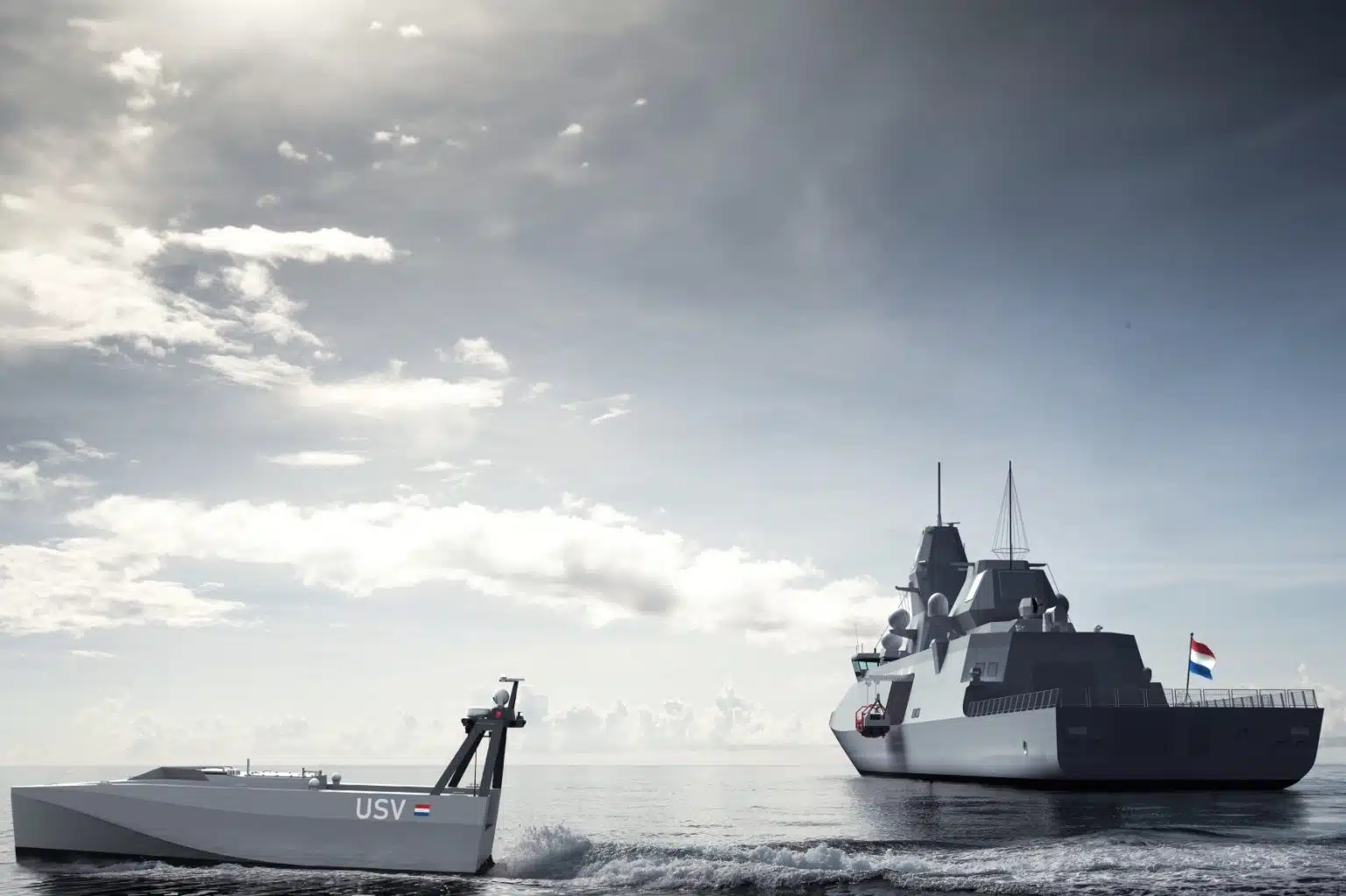
Beyond its offensive and defensive payloads, the vessel is built with a heavy emphasis on distributed sensor networking and unmanned systems integration. The flight deck and aviation hangar are fully configured to host both manned maritime helicopters and heavy unmanned aerial or surface vehicles, dramatically extending the ship's horizon for reconnaissance, target acquisition, and mine countermeasures. This modular approach allows the frigate to scale its mission profile dynamically depending on whether it is deployed for open-ocean anti-submarine patrols or littoral patrol duties.
Emphasizing future-proofing, the GMF140 is engineered around a digitally integrated, minimally manned framework that prioritizes automation, damage control, and crew survivability. By packing destroyer-level sensor and missile capacity into a 6,000-tonne frigate hull, Rheinmetall aims to provide navies across Europe, the North Atlantic, and the Indo-Pacific with a cost-effective, highly lethal surface combatant. As naval forces grapple with tighter budgets and growing fleet demands, the platform represents a major step forward in modular warship design.