Thursday, August 27, 2026

The Navy Just Admitted What It Wouldn't Confirm Before: Lincoln's Sailors Really Did Run Out of Soap


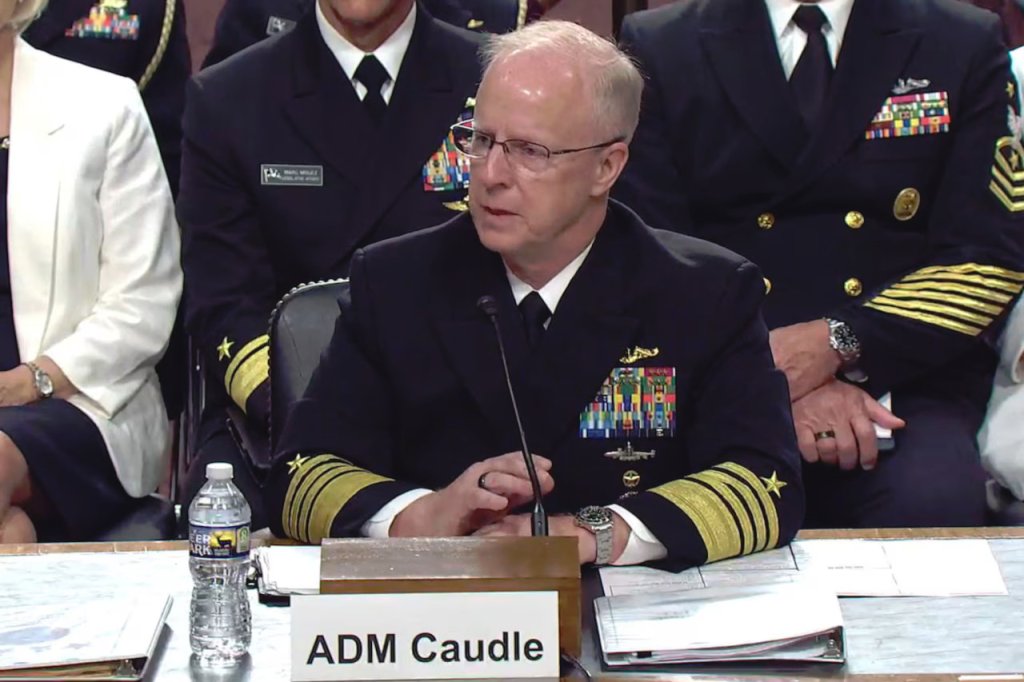
Chief of Naval Operations Adm. Daryl Caudle told reporters in Norfolk this week that the Navy is fundamentally reworking how it stocks ships, delivers supplies, and schedules port calls, specifically citing new plans to add port stops in Africa and India, after USS Abraham Lincoln's roughly 250 days without a single port visit during its punishing deployment. What makes this genuinely newsworthy against this blog's own coverage of the story is what Caudle actually confirmed rather than merely acknowledged existed: sailors and families reported severe shortages of soap and toothpaste, and Navy officials told reporters hygiene products had to take a backseat to food in the resupply priority line as the deployment dragged on. Caudle's own words were a meaningful shift from Secretary Hegseth's earlier public dismissal of shipboard-condition reports as "completely misrepresented," instead calling it "a fair critique that there were some puts and takes at the beginning of Epic Fury until we got resupply dialed in."

This blog's earlier coverage of Lincoln's Thailand port call treated the underlying dispute over shipboard conditions as genuinely unresolved, Hegseth's public denial sitting uncomfortably next to family reports of sailors attempting to go overboard. This latest reporting doesn't fully resolve that dispute either, Caudle stopped short of confirming every individual photograph and account, but it does represent the Navy's most senior uniformed officer publicly validating the substance of what sailors and families had been describing for weeks, hygiene shortages, resupply prioritization failures, "the kind of ship store items" that matter considerably during months without liberty ashore. That's a meaningfully different institutional posture than outright denial, even if it stops short of a full public accounting.

The Bahrain detail connects directly to this blog's own extensive coverage of Iran war-related infrastructure damage this summer. This reporting confirms Naval Support Activity Bahrain, the Navy's main Middle East supply hub, was destroyed during the conflict, a logistics failure this blog's coverage of the broader Navy tempo investigation already referenced in passing but hadn't fully connected to Lincoln's specific resupply crisis. A carrier strike group operating without its primary regional supply hub, forced to rely on the 2,000-plus-mile detour to Diego Garcia this blog's earlier tempo-crisis coverage documented, isn't simply experiencing bad luck or poor planning, it's operating inside a genuinely degraded logistics architecture that this blog has now traced through multiple separate reporting threads to the same underlying cause.

The African and Indian port-stop expansion Caudle announced deserves to be read against this blog's broader Indo-Pacific and Africa coverage this summer. This blog's reporting on Russia's Sahel air bridge and Portugal's Gulf of Guinea drone trials already established West and Central African waters as an active zone of great-power maritime competition, and a U.S. carrier strike group beginning to route through African ports for logistics and crew relief purposes adds a new American presence dimension to exactly the contested space this blog has already documented Russia's Africa Corps and China's 48th Maritime Task Force actively competing for. Whether that's the Navy's explicit intent or simply a practical response to Bahrain's loss and Lincoln's crew-welfare crisis, the effect is the same, American naval presence expanding into African ports at the same moment this blog's other coverage has documented rival powers building out their own regional access agreements.

None of this fully closes the accountability question this blog's earlier coverage left open, whether Lincoln's crisis reflects a systemic fleet-tempo problem or a uniquely mismanaged single deployment remains genuinely contested, and Caudle's own careful hedging, confirming the hygiene shortages while declining to validate every individual account, suggests the Navy is still managing this story's political fallout as much as its underlying logistics failure. But a four-star admiral publicly using the phrase "fair critique" about conditions his own defense secretary previously dismissed is a genuine shift in institutional posture, and it's worth reading as this blog's ongoing Navy coverage continues, the accountability gap between what happened aboard Lincoln and what the Pentagon initially admitted has narrowed considerably, even if it hasn't fully closed.

The Army Wants Nuclear Reactors on Its Bases Because It No Longer Trusts the Power Grid


The U.S. Army selected five companies this week to build and operate nuclear microreactors at five American installations, Antares Nuclear at Fort Bragg, BWXT at Fort Campbell, General Atomics at Fort Hood, Radiant Industries at Fort Benning, and Westinghouse Government Services at Fort Drum, under agreements worth up to $2.2 billion combined through the Army's Janus Program. Army Secretary Dan Driscoll's own framing is direct about the underlying motivation: building "the energy resilience necessary to project combat power globally, without relying on potentially vulnerable external grids." The Army expects more than 20 microreactors eventually across Defense Department installations, with a 2025 executive order requiring at least one operational reactor by September 30, 2028, Radiant's own contract alone covering 15 transportable, "plug-in ready" one-megawatt Kaleidos units currently undergoing testing at Idaho National Laboratory.

That explicit "vulnerable external grids" language deserves to be read directly against this blog's coverage of the GAO facilities backlog report from days earlier, which documented a $285 billion maintenance backlog across more than 736,000 military facilities globally, Minot Air Force Base's B-52 parking apron crumbling more than 30 years past its service life, Andersen Air Force Base's stealth-coating hangar sitting years behind schedule. That earlier reporting established American military infrastructure as chronically underinvested and physically deteriorating. This microreactor push addresses a related but genuinely distinct vulnerability, not physical decay from underfunded maintenance, but structural dependence on civilian electrical infrastructure a determined adversary could disrupt through cyberattack, physical sabotage, or simply overloaded demand, a threat category this blog's coverage of Baltic GNSS spoofing and the broader electronic-warfare throughline has already established as an active, demonstrated capability rather than a hypothetical concern.

The base selection itself is instructive about how the Army is actually managing execution risk here, and it connects to a pattern this blog's summer of procurement coverage has repeatedly found lacking elsewhere. Defense One's own reporting quotes DIU official Waksman describing a deliberate "matching process," choosing the five sites expected to be "the cheapest and fastest to deploy and the easiest" from an original nine-base finalist pool, explicitly prioritizing proof-of-concept success over ambitious initial scope. That's a genuinely different posture than the ambitious-target-first pattern this blog documented through the Army's own GMLRS rocket program and NGSRI missile RFI, where headline production numbers arrived well ahead of any demonstrated near-term capacity to actually hit them. Choosing the easiest sites first, before scaling to Fort Wainwright, Alaska or other harder overseas-adjacent locations where energy resilience arguably matters even more, suggests the Army has genuinely internalized a lesson its own missile-procurement programs haven't consistently applied.

The uranium supply chain detail Defense One's reporting flags in passing is worth taking seriously as a structural vulnerability this blog's coverage of America's broader defense-industrial gaps this summer would recognize immediately: the U.S. still relies heavily on imported enriched uranium even for a program explicitly designed to reduce dependence on external infrastructure. That's the same underlying pattern this blog documented through the Unitree robot-dog investigation, genuine American technical capability undermined by a supply chain dependency the domestic industrial base hasn't yet closed, just relocated from robotics components to nuclear fuel enrichment. A microreactor program meant to insulate bases from external grid vulnerability doesn't fully escape external dependency if its fuel source remains foreign-sourced, a tension this reporting notes without fully resolving.

None of this confirms the Janus Program reaches its 20-plus-reactor ambition on schedule, milestone-based Other Transaction Authority contracts with fixed-price performance gates are a genuinely disciplined structure, but this blog's summer of coverage on comparably ambitious multi-year defense programs, GMLRS, AHEL, the failed 155mm shell components facility, counsels real caution before assuming any single program announcement translates cleanly into fielded capability by its stated deadline. But the underlying strategic logic, treating civilian grid dependency as a genuine military vulnerability worth billions of dollars and years of development to eliminate, is a coherent extension of the same infrastructure-resilience thinking this blog has traced through the USMC's contested-logistics programs and the broader Pacific basing throughline this summer, recognizing that even the most sophisticated weapons systems this blog has covered all year are worthless if the base powering them goes dark first.

The Army Wants 8,000 Stinger Replacements a Year — Its Own Numbers Suggest That's Aspirational


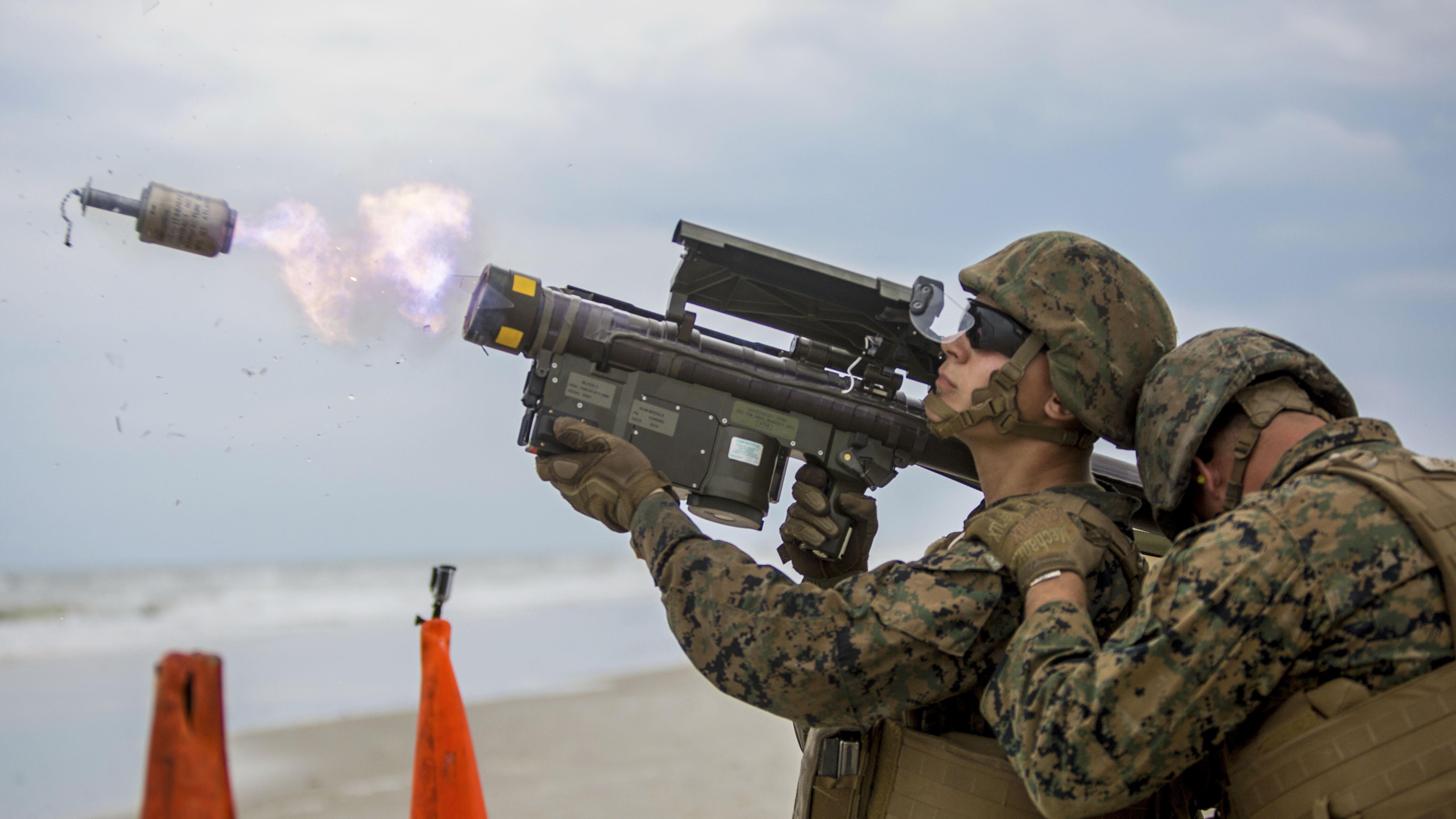
The U.S. Army wants to purchase up to 8,000 Next Generation Short-Range Interceptor missiles annually, a shoulder-fired, "fire and forget" system explicitly designed to defeat rotary-wing, fixed-wing, and Group 2/3 unmanned aircraft threats and replace the Stinger missile that's been in service since the early 1980s. The specific procurement document this blog's research surfaced tells a more cautious story than the 8,000-per-year headline figure alone: the Army's actual Request for Information asks contractors to price out 11,000 NGSRI missiles and 2,200 Control Launch Assemblies over a full ten-year production period, starting at just 200 missiles in fiscal 2028 and 500 in fiscal 2029, with an "additional planning factor excursion" exploring what doubling those low-rate initial production quantities would look like. That's a considerably more conservative near-term trajectory than an 8,000-per-year steady-state figure implies on its own, and the gap between the eventual target and the actual disclosed ramp-up schedule is worth taking seriously as a genuine execution question rather than glossing over.

This connects directly to the GMLRS execution-risk story this blog covered earlier this summer, where the Army requested 133,000 rockets by 2034 while simultaneously disclosing, in the same announcement, that a dedicated components facility had failed to produce a single usable part. Both stories share the same underlying pattern this blog has now documented repeatedly across Army missile procurement specifically, ambitious multi-year production targets disclosed alongside considerably more modest, hedged near-term ramp-up numbers, a structure that reads less like confident planning and more like an institution genuinely uncertain how quickly its own industrial base can actually scale. NGSRI's own RFI asking contractors to price both a baseline and a doubled early-production scenario is itself a tell, the Army isn't certain what pace is achievable, so it's asking industry to price multiple possibilities rather than committing to a single confident trajectory.

The threat category NGSRI addresses connects directly to the interceptor cost-exchange throughline this blog has tracked across nearly every major post this summer. A man-portable missile specifically built to counter Group 2/3 drones, the mid-tier UAS category between small commercial quadcopters and full-sized military aircraft, sits precisely in the gap this blog's coverage of APKWS-II, the Dutch Hornet B2, and Germany's Cobra 600 has identified as the most urgent near-term counter-drone requirement across multiple allied militaries simultaneously. RTX's own February 2026 demonstration, tracking drone targets and firing from a man-portable launcher compatible with the existing Stinger Vehicle Universal Launcher, suggests the company is deliberately engineering NGSRI for backward compatibility with fielded infrastructure, a sensible design choice that should meaningfully ease integration relative to a clean-sheet system, extending the same "build on what already exists" logic this blog's E-2D Block II coverage identified as a genuinely sound modernization philosophy.

The parallel hypersonic transparency story this blog's research surfaced deserves a brief but pointed mention here, because it complicates how confidently outside observers, including this blog, can actually assess Army missile procurement going forward. Arms Control Association's own reporting documents the Air Force now marking intended procurement quantities for at least two hypersonic weapons programs as "controlled unclassified information," specifically reducing public transparency into exactly the kind of production-quantity data this blog's coverage of NGSRI, GMLRS, and the broader munitions-surge throughline has relied on to assess execution risk all summer. If that classification trend extends to NGSRI or other conventional munitions programs going forward, this blog's ability to track whether the Army's stated production targets actually translate into fielded capability will become considerably harder, a genuine concern independent of whether NGSRI itself succeeds or struggles.

None of this confirms NGSRI will repeat the GMLRS program's disclosed component-manufacturing failure, RTX's own February 2026 demonstration suggests real technical progress already underway, and Stinger's replacement is a genuinely overdue modernization given the platform's four-decade service history. But an 8,000-per-year target sitting alongside a disclosed ten-year ramp starting at just 200 units, requiring contractors to price a doubled-quantity contingency because the baseline pace itself remains uncertain, is exactly the kind of gap between headline ambition and disclosed near-term reality this blog's summer of coverage on Army missile procurement has learned to read as a genuine execution risk flag rather than a settled production plan.

Italy Just Cut Its EU Defense Loan Nearly in Half — And Politics, Not Money, Is Why


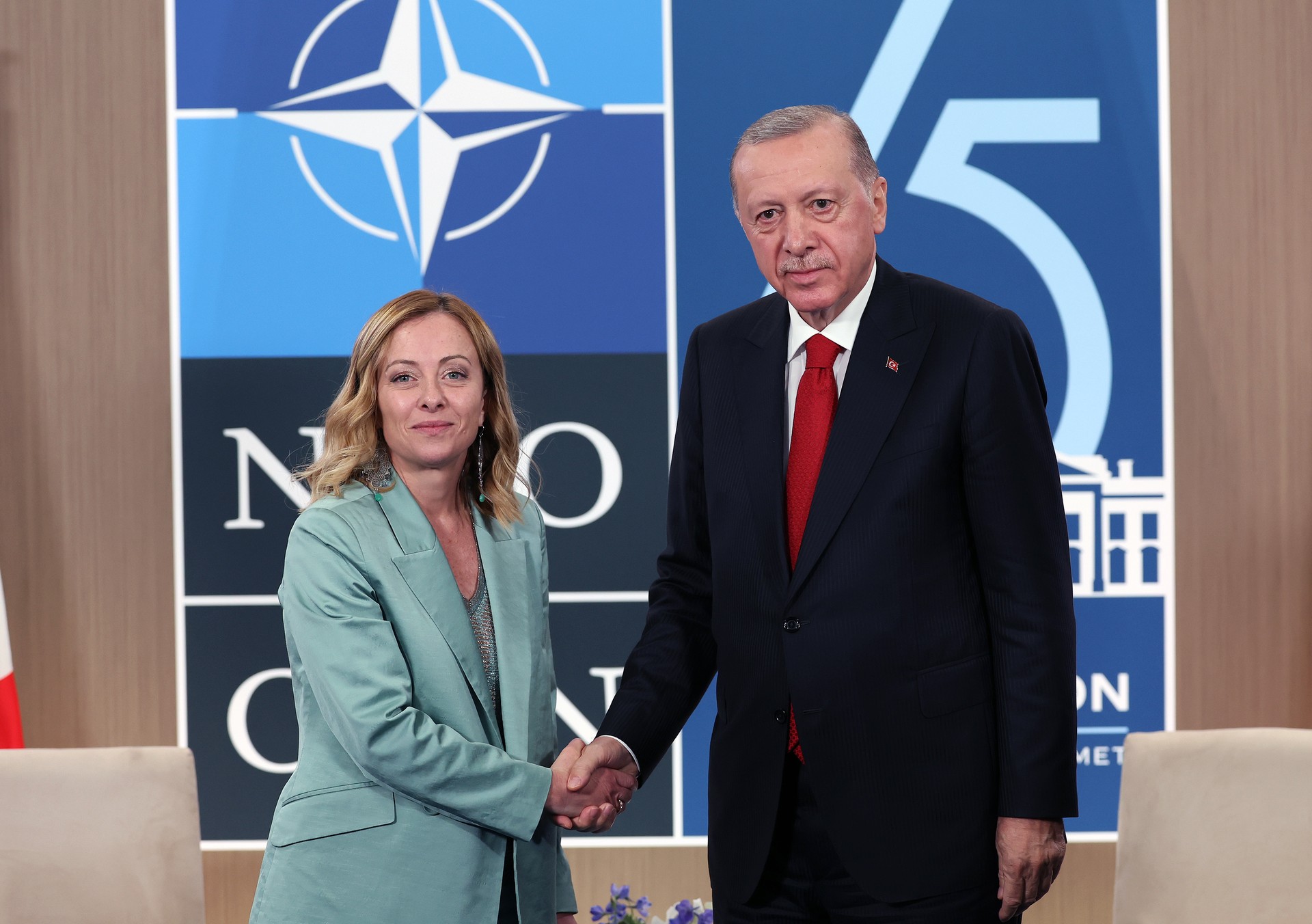
Italy has requested €8 billion in low-cost loans from the EU's SAFE defense funding program, according to Defense News, a genuine climbdown from the €14.9 billion Rome had originally been allocated and had, as recently as two days before this reporting, told the European Commission it intended to draw "a vast majority" of. Foreign Minister Antonio Tajani's own framing, reported separately, put the final adjusted figure closer to €8.9 billion. The retreat caps a months-long domestic political fight: Prime Minister Giorgia Meloni's coalition partner, the League party, has pushed for prioritizing public spending over defense procurement, and Meloni herself spent months signaling Italy might decline the loans entirely, at one point suggesting Italy would forgo as much as €27 billion in combined SAFE and NEC scheme funding if Brussels wouldn't let Rome redirect some of that flexibility toward energy costs instead.

This blog's earlier coverage of Poland's four-nation Piorun MANPADS consortium already established SAFE as the financing mechanism underpinning a genuinely significant slice of Europe's current rearmament wave, and this Italy story adds a useful corrective to how uniformly that earlier coverage treated the program's momentum. The Grosswald tracker's own country-by-country accounting, current as of August 18, shows Poland, Romania, France, Portugal, Czechia, Greece, and Estonia have all already signed full loan agreements, while Italy's own request has been visibly shrinking on paper for months and Hungary's €16.2 billion allocation sits frozen inside a separate domestic political dispute. That's a considerably more uneven picture of European defense-financing unity than a program headline of "€150 billion in low-cost loans" implies on its own, and it's worth reading Italy's retreat as confirmation that SAFE's actual uptake depends heavily on each individual government's domestic political coalition, not simply on the financing terms Brussels is offering.

The specific programs affected connect directly to this blog's own coverage of European armored-vehicle and frigate procurement this summer. Italy's original €14.9 billion plan was earmarked substantially for a €23 billion Leonardo-Rheinmetall deal covering 1,050 Lynx armored vehicles and 272 Panther tanks, and Defense Minister Guido Crosetto had already signaled an 18 percent cost cut to that program back in July, suggesting delays or reduced order numbers even before this week's formal loan-scaling-back. That's the same kind of program-scale reduction this blog documented through Australia's Hunter-class frigate cut from nine ships to six, a pattern of European and allied defense programs shrinking in scope even as headline rearmament rhetoric remains ambitious, worth flagging as a recurring feature of this summer's procurement coverage rather than a one-off.

The industrial-rules detail worth connecting to this blog's coverage of South Korea's potential role easing Europe's interceptor shortage deserves real emphasis here. SAFE's own framework allows up to 35 percent of procurement from non-EU suppliers, according to Decode39's reporting, but this blog's earlier coverage of the Cheongung-II pitch already established a stricter 65 percent EU-content requirement functionally excluding South Korean systems from SAFE-funded interceptor purchases specifically. Grosswald's own tracking shows the same €150 billion pool simultaneously funding a "sovereign-industry strategy," Poland routing its full €43.7 billion into domestic plants, and a "buy-fastest strategy," Romania sending its largest single tranche, €5.7 billion, directly to Rheinmetall, a foreign prime contractor. That tension, sovereignty versus speed, protectionism versus proven capability, runs through nearly every SAFE-funded procurement decision this blog has now covered, and Italy's own retreat adds a third variable entirely, pure domestic budget politics overriding either consideration.

None of this confirms Italy's rearmament ambitions are genuinely collapsing, €8-9 billion remains a substantial commitment by any normal standard, and Tajani's own framing suggests this is a scaled adjustment rather than an abandonment. But reading this alongside this blog's broader European defense-financing coverage this summer, the Piorun consortium, the SAFE-funded Cheongung-II exclusion, Poland's shipbuilding success against Germany's and Australia's frigate struggles, the consistent theme is that Europe's rearmament wave, however real and well-funded on paper, keeps running into the same underlying friction this blog has documented across nearly every individual country's story, domestic politics, industrial protectionism, and execution capacity all pulling against the speed and scale the underlying strategic threat this blog's Baltic and Kaliningrad coverage has documented would otherwise seem to demand.

When Ukraine's Robot Evacuation System Failed, a Commander in a T-Shirt Did the Job Instead


Ukrainian commander Vladyslav Polskyi, a 29-year-old former science teacher who joined the army in 2023, watched from a command post roughly 15 kilometers away as two wounded soldiers from his 475th Assault Regiment lay stranded in Kharkiv region's "kill zone," a stretch of contested ground riddled with mines and patrolled by Russian attack drones. The two men had been wounded during a combat mission and were being evacuated atop an unmanned ground vehicle when a small, explosive-laden Russian helicopter drone struck it directly, severing its Starlink connection to its remote operator and leaving it, and one still-strapped soldier, immobilized in the open. Polskyi drove into the kill zone himself in an unarmored pickup truck, without helmet or body armor, loaded both men aboard, and drove them back out, evading Russian drones detected converging on his position as he left. He received Ukraine's highest military honor, Hero of Ukraine, from President Zelenskyy on August 24.

This blog has spent the summer documenting the strategic logic behind exactly the kind of unmanned evacuation system that failed here, robotic and remote platforms specifically deployed to remove human exposure from the most dangerous phases of combat. This blog's coverage of Turkey's TUFAN and FNSS's U-MAV amphibious platform both traced the same underlying doctrine, keeping crews out of the highest-casualty-risk moments by delegating them to unmanned systems. This incident is a genuinely important, sobering counterpoint to that entire throughline: the unmanned ground vehicle here was doing precisely what it was designed to do, reducing human exposure during a battlefield evacuation, right up until a single Russian drone strike severed its communications link and left it, and the wounded soldier still aboard it, stranded and defenseless in the exact zone the robot was meant to help them escape.

The specific failure mode, a Starlink terminal disabled by direct drone strike severing the operator's control link, connects directly to the electronic-warfare and communications-denial throughline this blog has tracked extensively through the Baltic GNSS spoofing research cited in this blog's Vaisala coverage, and the broader jamming-resistant design choices this blog has documented across the Cobra 600 interceptor and TAURUS missile programs. An unmanned system's greatest structural vulnerability isn't usually its armor or speed, it's the communications link connecting it to a human operator, and this incident is a stark, real-world demonstration of exactly what happens when that link fails at the worst possible moment, the machine doesn't fail gracefully, it simply stops, becoming a stationary target rather than retreating or defending itself. Drone-platoon leader "Malyi," who watched the rescue unfold in real time from a nearby command post, put the stakes plainly, a single additional Russian drone or land mine could have killed all three men in the roughly nine miles between the command post and the kill zone.

The human dimension here deserves to stand on its own rather than being reduced entirely to a lesson about unmanned systems, and this blog will treat it that way rather than over-analyzing a genuine act of courage into pure doctrine. Polskyi's own account of driving toward men he could see were badly wounded, one having crawled into a roadside ditch to hide, the other exposed on the open vehicle, captures something no procurement analysis fully explains, "I was afraid too. But you need to know how to control it." That's worth registering as exactly what it is, an individual soldier making a decision no robot or remote system could have made for him once the technology in front of him had already failed.

The broader institutional lesson, though, is one this blog's own coverage of Ukraine's unmanned-systems adoption should incorporate honestly going forward: a commander quoted in earlier Euromaidan Press reporting on this same incident described battlefield evacuation as "force majeure that no one is ready for" in most Ukrainian units, with robots simply too slow to fully solve the problem yet. That's a genuinely important corrective to the more uniformly optimistic framing this blog has applied to attritable, unmanned-systems doctrine across Turkey's TUFAN, the USMC's Ancillary Surface Craft, and America's own broader push toward cheap, expendable platforms this summer. Removing humans from danger through automation is a sound strategic direction, but this incident is a clear reminder that the technology remains genuinely fragile under real combat conditions, and that human courage, however heavily this year's coverage has focused on robots, drones, and interceptors, still ends up being the actual backup plan when the machines fail.

Ukraine Now Has the Blueprints for Storm Shadow — What It Doesn't Have Yet Is the Factory


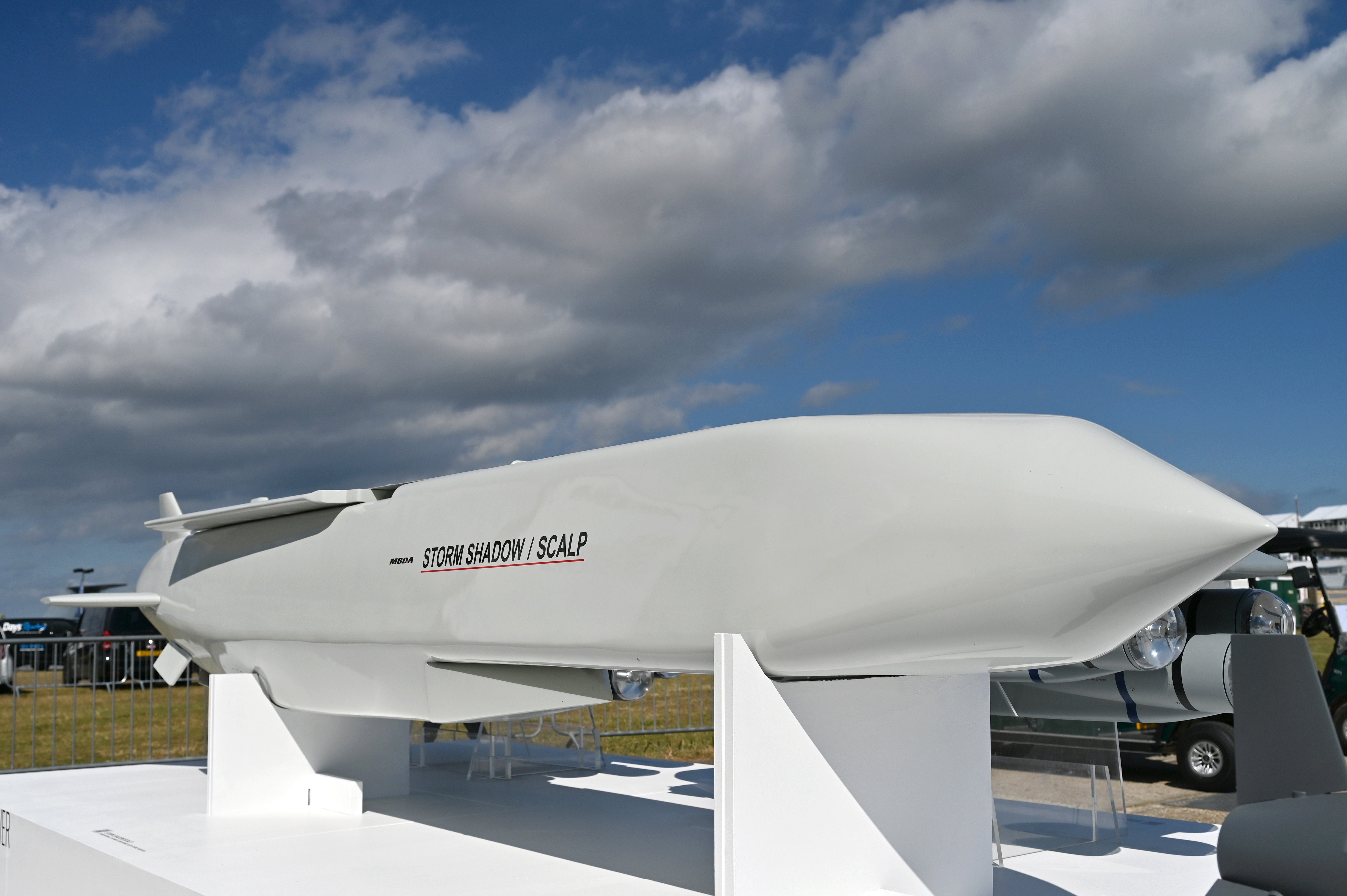
This blog's coverage of Andy Burnham's first foreign trip as UK prime minister already documented the headline decision, authorizing MBDA to release classified information on British-made SCALP components to Ukraine. The fuller technical picture emerging since confirms both the genuine significance of that move and the real execution gap standing between authorization and actual missiles rolling off a Ukrainian production line. France had already granted Ukraine a production license for the Franco-British weapon back in July, but because SCALP incorporates both French and British-origin technology dating to a 1990s joint program tracing back to the earlier Apache missile, Paris alone couldn't legally transfer the complete technical package. Burnham's decision was the missing legal and industrial piece, not a standalone announcement.

What multiple outlets covering this story converge on, and what this blog's earlier coverage didn't yet have detail on, is exactly how difficult the remaining path to actual Ukrainian production really is. CNN's own reporting states plainly it could take several years to scale up production even with the technology transfer complete, and Defense News's own analysis is specific about why: Ukraine lacks the specialized, high-precision manufacturing equipment at scale needed to build a weapon this sophisticated, a 1,300-kilogram missile powered by a Microturbo TRI 60-30 engine, using GPS, TERPROM terrain-referenced navigation, and imaging-infrared seekers alongside a 450-kilogram BROACH warhead. Army Recognition's own reporting adds that establishing manufacture by the stated end-of-2026 target requires localizing airframe construction while implementing "complex calibration and certification processes for foreign-sourced guidance, propulsion, and fuze subsystems," a genuinely demanding technical bar for a defense-industrial base that, per this blog's own extensive coverage this summer, is simultaneously under sustained Russian attack.

That production timeline connects directly to the "extraterritorial MIC" offshoring pattern this blog has now documented across multiple posts, Germany's and Finland's onshoring of Ukrainian drone manufacturers, and the ArcelorMittal steel plant strike that this blog's coverage of Russia's campaign against Ukraine's defense industry already established as a deliberate effort to degrade domestic production capacity specifically. A SCALP production line requiring precision manufacturing equipment Ukraine doesn't currently possess is exactly the kind of capability gap this blog's coverage suggested NATO-territory production offers a genuine hedge against, and UNITED24's own reporting confirms the two governments are indeed planning a jointly established line rather than a purely Ukrainian domestic one, France and Ukraine working "to establish local assembly lines for the weapon inside Ukraine," language that leaves open whether some or all of the actual precision manufacturing ultimately happens on safer French soil rather than inside Ukraine itself.

Russia's response is the piece of this story that most directly extends this blog's earlier coverage. Kremlin spokesperson Dmitry Peskov accused Britain of direct participation in the war, "pouring oil on the fire," following a formal warning from the Russian embassy in London the same week this blog's Poseidon coverage documented Kremlin propagandist Vladimir Solovyov calling for British arms factories to be struck with Russia's nuclear-powered underwater drone. That's now two distinct, escalating Russian responses to British involvement in Ukraine's strike capability within roughly a week of each other, a state media call for a specific nuclear-adjacent weapon and a formal diplomatic accusation of direct war participation, reinforcing this blog's earlier assessment that former Air Marshal Greg Bagwell's warning about British factories becoming legitimate targets was prescient rather than alarmist.

The mission-specific value SCALP would add to Ukraine's strike portfolio is worth noting against the FP-7 ballistic missile program this blog covered just one day earlier. CNN's own reporting distinguishes SCALP's role clearly: striking buried, hardened targets like command bunkers, a harder mission for the lighter drones Ukraine has relied on for softer targets like refineries and warehouses. That's a genuine capability gap in Ukraine's current "shoot the archer" strategy this blog has documented extensively, hardened underground command and launch infrastructure resists the kind of strikes drones and even ballistic missiles like FP-7 are optimized for, and MBDA restarting SCALP production lines dormant for fifteen years to meet current demand, per multiple outlets' reporting, underscores just how much this specific munition category has moved from a niche capability to a central pillar of the broader Western-supplied strike campaign this blog has tracked all summer.

The Bridge Carrying North Korea's Missiles and Drone Operators Into Russia Is Almost Finished


Satellite imagery reviewed by Defense News shows the first-ever road bridge linking North Korea and Russia across the Tumen River nearing completion, with the North Korean approach fully built, customs building and controlled entry point included, while construction on the Russian side, border facilities and the connecting road itself, remains visibly ongoing. The Khasan-Tumangang Bridge, agreed at a June 2024 Kim-Putin summit and now roughly a year into construction, will process up to 300 vehicles and 2,850 people daily across its span once complete, replacing a reliance on the aging 1959 rail-only Friendship Bridge that was never meant to be permanent. Russia's own embassy in Pyongyang announced completion six months ahead of the original schedule, a rare acceleration this blog's summer of coverage on execution delays across nearly every other major defense-infrastructure story would flag as genuinely unusual.

This is the physical infrastructure underneath two stories this blog has already covered in detail. This blog's reporting on the KN-30 missile transfer documented roughly 90 North Korean personnel operating heavier ballistic missile launchers directly on Russian soil in Voronezh Oblast, and this blog's separate coverage of the 400 North Korean drone operators deployed to Russia's Kursk region established a training pipeline converting North Korea's own combat losses into technical expertise exported back to Russian battlefields. Both of those personnel and hardware flows have, until now, moved primarily by rail and sea, this article notes the existing Rason-based shipping route as the dominant current logistics path, given how remote and thinly connected this border crossing actually is. A dedicated, high-capacity road bridge doesn't just symbolize deepening cooperation, it's the concrete infrastructure that would meaningfully expand the volume and reliability of exactly the kind of personnel and equipment transfers this blog has already documented happening at a smaller scale.

The remote geography this article emphasizes is worth taking seriously as a genuine constraint on how transformative this bridge actually becomes in practice, rather than assuming infrastructure automatically translates into proportional capability. Tumangang sits in one of the most isolated corners of North Korea, and the area on the Russian side is equally distant from any major population or logistics center, one expert cited in this reporting specifically doubts Russian truckers would drive deep into North Korea given the country's unpredictable and potentially hostile environment, suggesting the bridge functions more as a river-adjacent transfer point than a genuine deep cross-border logistics corridor. That's a useful check against reading this bridge as an unlimited capacity expansion, it likely represents meaningfully improved throughput at the border itself rather than a wholesale restructuring of how deep into either country military and economic traffic can practically move.

The formal treaty architecture underlying this physical infrastructure connects directly to the scale question this blog's coverage of the 400 drone operators already flagged as the story's most consequential open variable. The 2024 "Comprehensive Strategic Partnership" between the two countries includes a mutual defense clause, and this blog's earlier reporting noted North Korea's troop and technical-personnel presence in Russia could grow by as much as 50,000 additional personnel if requested when Putin and Kim meet again in September. A completed, high-capacity road bridge landing just weeks or months before that potential meeting is a meaningfully different infrastructure picture than the same expansion request arriving against the current rail-and-sea-dependent logistics this blog's earlier coverage described, genuinely easing exactly the kind of large-scale personnel movement any expanded deployment would require.

None of this confirms the bridge's completion timeline holds, construction on the Russian side remains visibly behind North Korea's already-finished approach, and this blog's summer of coverage on infrastructure delays across comparable programs, Germany's F126 collapse, Australia's Hunter-class overrun, the GAO's own $285 billion facilities backlog, suggests real caution before assuming any announced acceleration survives contact with the actual remaining construction work. But the underlying trajectory is unambiguous regardless of the exact completion date: a relationship this blog has already documented deepening through missiles, personnel, and now physical infrastructure is building the connective tissue for whatever comes next, and a finished bridge removes one more practical constraint on how far that cooperation can scale.

The Navy's "Liberator" Seabed Weapon Is the Quiet Third Leg of Its Undersea Strategy This Blog Has Tracked All Summer


Naval News's own deep-dive into the U.S. Navy's Liberator program describes a covert, bottom-mounted seabed weapon concept, effectively a smart, deployable mine capable of lying dormant on the ocean floor in contested chokepoints before activating against a passing warship, a considerably different capability category than the mobile UUVs and torpedoes this blog has covered extensively this summer. Rather than actively hunting or patrolling, Liberator's entire value proposition rests on pre-positioning, seeding contested waters, the South China Sea approaches and Taiwan Strait chief among the plausible locations this blog's own Indo-Pacific coverage has repeatedly identified as strategically decisive terrain, with weapons that simply wait, invisible and unpowered until triggered, for exactly the kind of Chinese naval transit a contingency would require.

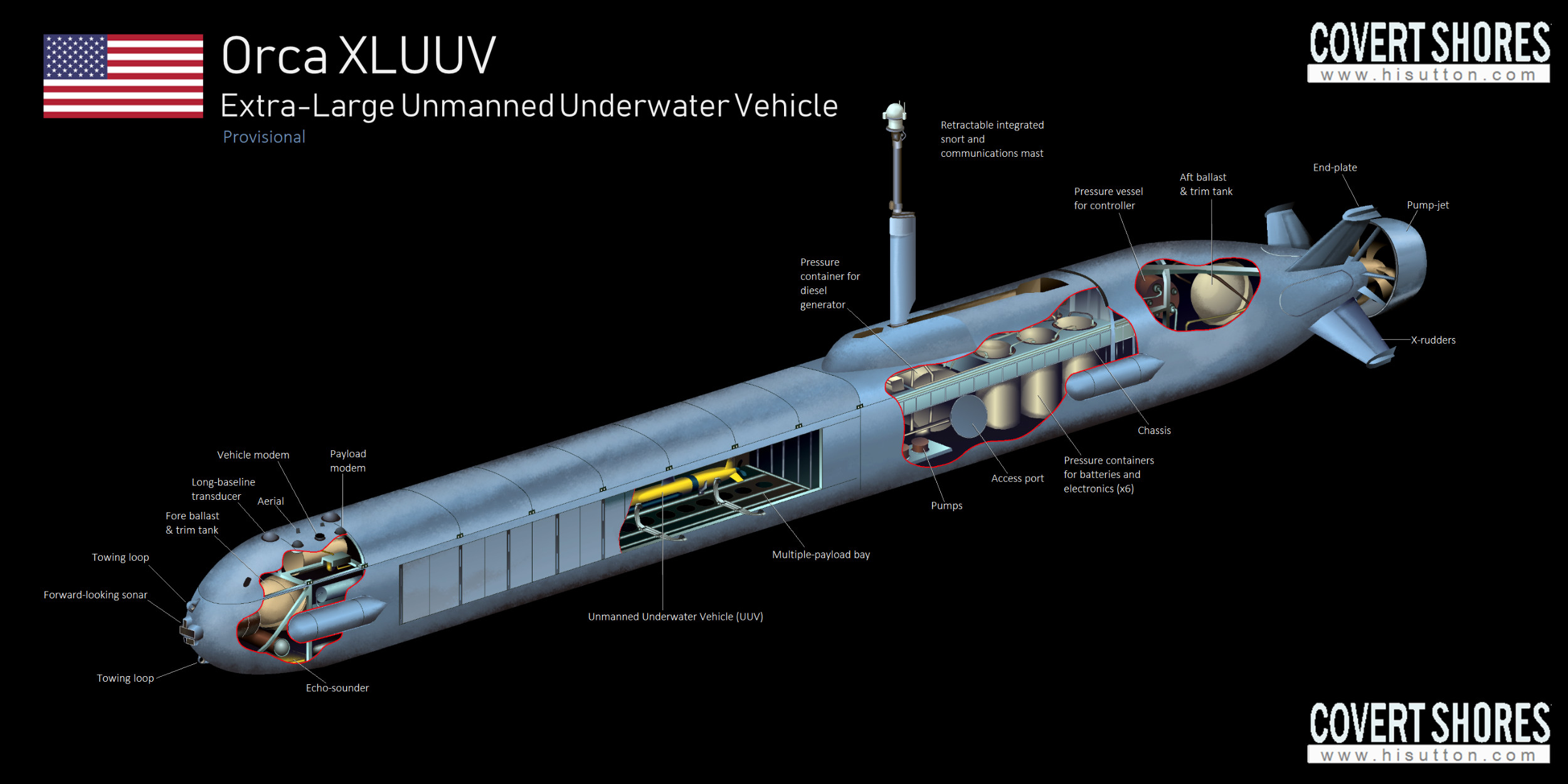
This is the third distinct undersea capability this blog has now documented the Navy pursuing simultaneously this year, and reading all three together reveals a considerably more coherent strategy than any single program announcement suggested on its own. This blog's coverage of the Orca XLUUV's 1,000-nautical-mile Pacific transit established the mobile, long-range reconnaissance-and-strike leg of this picture, while acknowledging China's own more diversified UUV program may already hold a real edge in that specific category. This blog's separate coverage of the proposed UUV-based submarine resupply concept from RIMPAC 2026 established the logistics leg, letting submarines restock without surfacing in contested waters. Liberator adds a third, genuinely different leg entirely, static area-denial infrastructure that doesn't need to move, hunt, or resupply anything, simply persist on the seabed until an adversary vessel crosses its trigger zone.

That static, pre-positioned model connects directly to the Silent Anvil glide torpedo this blog covered days earlier, where the Navy explicitly justified extending air-launched anti-submarine reach by citing China's expanding and increasingly sophisticated submarine fleet. Liberator represents the sea-floor equivalent of the same underlying strategic logic Silent Anvil applies from the air, denying an adversary safe transit through a specific, geographically fixed chokepoint rather than trying to intercept every individual vessel across an entire operating theater. Both programs share the same core insight this blog has traced through nearly every major weapons category this summer, concentrating defensive effort at predictable, narrow points, chokepoints, transit lanes, launch corridors, is a more achievable and cost-effective strategy than attempting comprehensive coverage across an entire contested region.

The covert, low-signature design philosophy Naval News's reporting emphasizes also fits the broader detection-and-concealment throughline this blog has documented across Japan's submarine-hypersonic program and the AIM-424/AIM-174B missile family's emphasis on standoff range over stealth. Where those other programs pursue survivability through either concealment or distance, Liberator pursues it through patience and positioning, a weapon that doesn't need to hide from active search because it was never moving or emitting in the first place, sitting dormant until the moment of engagement removes most of the detection vulnerabilities this blog's coverage of Chinese anti-submarine aircraft like the Y-9FQ has documented as an increasingly serious threat to more conventional mobile undersea assets.

None of this confirms Liberator has moved past the conceptual or early-development stage Naval News's own reporting describes, and this blog's summer of documented execution risk across comparably ambitious American undersea programs, the Orca's own budget and schedule overruns among them, counsels real caution before assuming this specific system reaches operational deployment on any predictable timeline. But the strategic logic underlying it, adding a genuinely passive, low-cost, geographically concentrated area-denial layer to complement the mobile UUV and resupply capabilities this blog has already documented, suggests the Navy's undersea Pacific strategy is being assembled as a genuinely layered system rather than a single silver-bullet program, mirroring the same multi-tier approach this blog identified across the J-16 and Su-35 "missile truck" doctrines on the surface and in the air.