Wednesday, July 29, 2026

China’s J-16 Multi-Role Fighters Assume Central Role in Sustained Air Operations Around Taiwan


 The Chinese People's Liberation Army Air Force (PLAAF) has increasingly relied on the Shenyang J-16 multi-role strike fighter as the absolute backbone of its sustained tactical operations surrounding Taiwan. Serving as a heavy, twin-seat development of the proven Flanker lineage, the aircraft combines immense payload capacity with sophisticated avionics suited for modern electronic warfare. Recent tracking data from regional defense ministries consistently highlights the J-16 as a primary asset deployed during routine air patrols, aerial incursions, and complex cross-domain military drills near the island.

A defining characteristic of the J-16 is its heavy integration of advanced, domestically produced active electronically scanned array (AESA) radar systems and comprehensive electronic countermeasures (ECM). These sophisticated sensor suites allow the aircraft to operate effectively as a localized airborne command node, coordinating tracking data across mixed formations of lighter fighters and uncrewed aerial vehicles. Furthermore, the twin-seat cockpit configuration divides the heavy workload between a dedicated pilot and a weapons system officer, enhancing tactical efficiency during prolonged missions.

The aircraft's impressive combat utility is further amplified by its vast munitions payload, capable of carrying up to twelve tons of ordnance across numerous external hardpoints. This heavy-lift capacity enables the J-16 to deploy an extensive array of modern weaponry, ranging from high-precision land-attack cruise missiles and anti-ship munitions to PL-15 long-range active radar-guided air-to-air missiles. Such versatility allows individual squadrons to seamlessly transition between offensive counter-air sweeps, maritime strike missions, and suppression of enemy air defenses during a single flight.

Strategically, the continuous deployment of J-16 fighters near Taiwan is designed to exert sustained psychological and operational pressure on the island's aging defense network. By flying routine patrols with heavy weapon configurations, the PLAAF tests regional early-warning systems, forces constant scramble responses from local interceptors, and builds deep operational familiarity with complex geographical flight paths. These ongoing actions serve as a persistent barometer of Beijing's broader strategic posture in the Taiwan Strait.

Military analysts note that the steady proliferation of the J-16 across multiple theater commands underscores China's broader transition toward high-end, long-range power projection capabilities. As the PLAAF continues to phase out legacy fourth-generation platforms, advanced heavy strikers ensure that Chinese aviation units maintain a decisive numerical and technological edge in regional contingencies. For defense planners monitoring Indo-Pacific security, the heavy Flanker derivative remains a defining symbol of modern aerial modernization.

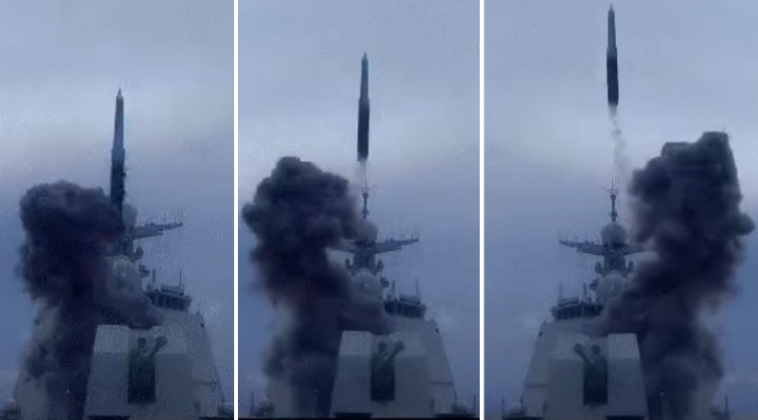
Footage Confirms First Integration of YJ-20 Hypersonic Ballistic Missiles Onto China’s Mainstay Type 052D Destroyers


Newly released state media footage has officially confirmed the successful integration and live-firing of the YJ-20 hypersonic anti-ship ballistic missile from the Chinese People's Liberation Army Navy's backbone Type 052D class destroyers. Previously, public evidence of ship-based YJ-20 deployments was restricted to larger, heavier platforms like the formidable Type 055 class. This newly unveiled footage—showcased in a military documentary commemorating the armed forces—marks a major qualitative leap for China's most numerous frontline surface combatant.

The successful adaptation stems from the universal vertical launch system (VLS) architecture shared across modern Chinese warships, which relies on a standardized cold-launch mechanism. Compressed propellant gases eject the heavy missile safely clear of the hull before main motor ignition, minimizing thermal stress on the deck structure. Because the compact YJ-20 fits seamlessly into standard launch cells alongside routine air-defense and cruise missiles, even smaller destroyer hulls can now deploy an arsenal of strategic, high-speed strike weapons.

The YJ-20 stands out globally as one of the most capable ship-launched anti-ship munitions in existence, boasting an estimated operational range between 1,500 and 2,000 kilometers. The weapon cruises at velocities exceeding Mach 6 before diving toward its target at terminal speeds surpassing Mach 10. This extraordinary velocity, combined with an unpredictable aerodynamic and ballistic trajectory, is specifically engineered to defeat advanced shipboard defense networks and Aegis-equipped combat systems.

This technological leap is heavily supported by China's expanding domestic aerospace and defense manufacturing sector, which has optimized solid-fuel formulations and guidance suites for maritime environments. By refining internal component layouts, engineers have successfully miniaturized the heavy guidance systems required for precision long-range terminal strikes. These manufacturing enhancements allow Beijing to produce the missiles at a scale that makes widespread fleet integration economically and logistically viable.

By expanding this hypersonic capability beyond heavy cruisers and down to the much more prolific Type 052D fleet, Beijing has drastically multiplied the number of high-readiness platforms capable of long-range maritime strike missions. Defense analysts note that equipping these mainstream destroyers with weapons capable of outrunning and evading modern interception grids fundamentally reshapes naval power balances. As regional tensions persist across the Indo-Pacific, the widespread proliferation of shipborne hypersonics reinforces a growing challenge to traditional carrier strike group survivability.


China Supplies Advanced Man-Portable Air Defenses to Bolster Iran’s Lower-Tier Air Shield


Intelligence reports indicate that Iran is preparing to receive a major shipment of up to 400 advanced Chinese man-portable air defense systems (MANPADS). Valued at an estimated $60 to $70 million, the impending acquisition focuses heavily on modern weapon variants from China's QW and FN series of shoulder-fired missiles. This critical military transfer is designed to significantly densify Iran’s short-range air defense network, adding an extra layer of protection as regional tensions and direct military engagements with Western forces persist.

The prospective delivery highlights the continuous evolution of Iran's layered defensive architecture, which has increasingly relied on sophisticated indigenous and foreign-sourced systems. Newer iterations like the Chinese QW-12 incorporate advanced dual-band infrared seekers engineered specifically to distinguish true targets from sophisticated decoy flares and electronic countermeasures. Similarly, variants from the FN family feature enhanced guidance capabilities and specialized fragmentation warheads meant to maximize lethality against low-flying cruise missiles, tactical drones, and infiltrating aircraft.

This upcoming Chinese transfer complements other heavy air defense acquisitions pursued by Tehran, including major recent agreements for high-end Russian short-range systems like the 9K333 Verba. By procuring multiple tiers of advanced portable missile platforms in parallel, Iran aims to heavily reinforce its frontline spatial control. Military analysts note that densifying lower-tier defenses creates an exceptionally lethal environment for low-flying assets, rotary-wing aircraft, and personnel recovery missions operating within contested airspace.

The strategic reinforcement comes on the heels of notable operational friction experienced by U.S. and allied air forces during recent heightened campaigns in the Middle East. Previous engagements have underscored the unexpected resilience of local air defenses, prompting Washington to increasingly rely on specialized "Wild Weasel" suppression missions and long-range stand-off munitions. The introduction of hundreds of advanced, highly mobile Chinese and Russian-origin MANPADS further complicates operational planning for coalition air commanders.

Ultimately, the expanding defensive network underscores how external partnerships continue to shape the tactical balance of power in the region. As Tehran works to plug perceived vulnerabilities in its lower-tier radar and missile coverage, the cost and risk profile for penetrating hostile airspace escalates sharply. For defense planners in Washington, navigating these dense, multi-layered air defense grids remains a primary hurdle in maintaining freedom of maneuver across the Middle Eastern theater.

Israel’s Qatar Ultimatum: Former Prime Minister Pledges to Designate Qatar an Enemy State Despite Strong U.S. Ties


 The diplomatic landscape between Israel and the Gulf has faced intense friction following sharp political pronouncements regarding Qatar’s regional role. Prominent Israeli political figures have increasingly targeted Doha’s complex diplomatic balancing act, publicly questioning its status as a reliable mediator. The escalating rhetoric highlights deep-seated frustrations within Israeli political circles regarding Qatar's foreign policy positions, particularly its historical ties with various regional militant factions and its concurrent positioning as a vital interlocutor for Western powers.

At the center of the diplomatic dispute are mounting domestic political pressures within Israel over post-conflict governance and hostage negotiations. Critics of Doha's mediation argue that Qatar leverages its unique position to shield militant leadership while simultaneously hosting critical U.S. military infrastructure, such as the Al Udeid Air Base. Hardline factions within Israeli politics have seized upon these dynamics, arguing that maintaining standard diplomatic engagement with state sponsors or hosts of adversarial leadership undermines broader regional security objectives.

Despite these fierce criticisms from Israeli opposition figures and conservative leaders, Qatar maintains deeply entrenched strategic and military ties with the United States. Washington views Doha as an indispensable partner for regional diplomacy, non-combatant evacuations, and complex multi-party negotiations. Senior U.S. officials have frequently reiterated the value of maintaining an open dialogue channel through Qatar, emphasizing that isolating the Gulf state could severely impair Western intelligence-gathering capabilities and hinder future diplomatic breakthroughs in ongoing Middle Eastern conflicts.

The friction also underscores a broader fracture in how regional stakeholders view mediation frameworks. While Qatari officials defend their diplomatic record by highlighting their role in securing temporary humanitarian truces and facilitating hostage releases, Israeli detractors maintain that these efforts fail to address core security threats. This ideological chasm has turned Doha into a focal point of intense geopolitical polarization, dividing international observers who see Qatar as an essential diplomatic bridge from those who view its multi-vector foreign policy as inherently contradictory.

As regional realignments continue to shift in the wake of expanding military operations across the Middle East, the future trajectory of Israeli-Qatari relations remains highly uncertain. Whether threats of formal diplomatic isolation translate into concrete policy shifts will heavily depend on future governmental coalitions in Tel Aviv and Washington's ongoing reliance on Qatari mediation. For now, the public sparring underscores the delicate and often volatile nature of alliance networks operating within an increasingly fractured geopolitical environment.

Iran’s Kheibar Shekan Missiles Emerge as a Core Asymmetric Challenge to U.S. Air Defenses


 Recent defense analysis and intelligence evaluations are highlighting the growing tactical threat posed by Iran’s Kheibar Shekan medium-range ballistic missile. Functioning as a primary workhorse within the Islamic Revolutionary Guard Corps (IRGC) arsenal, the solid-fuel system has increasingly challenged sophisticated U.S. and allied air defense networks across the Middle East. Military experts note that the weapon combines low production costs with high tactical mobility, creating a severe economic and operational asymmetry for Western defense planners.

Unlike older generations of Iranian ballistic missiles that relied on liquid fuel—requiring lengthy, highly visible pre-launch preparations—the Kheibar Shekan utilizes a composite solid-fuel propulsion system. This capability allows the missiles to remain pre-fueled and rapidly deployed from commercial-style truck chassis or concealed mobile launchers. By firing and relocating quickly, launch crews can effectively evade preemptive targeting by allied warplanes seeking to neutralize fixed or slow-to-prepare missile sites.

The missile's operational effectiveness is further amplified by its advanced flight and terminal-phase maneuverability. Traveling at extreme speeds approaching Mach numbers of roughly 10,000 kilometers per hour, specific variants incorporate specialized steering mechanisms or small auxiliary thrusters within the nose section to execute sharp course corrections just before impact. When paired with varied flight profiles and complex trajectories, these features are deliberately designed to confuse radar tracking and saturate traditional interceptor grids.

Furthermore, Iran has increasingly synchronized Kheibar Shekan strikes with waves of high-speed one-way attack drones and secondary projectiles. These coordinated swarm tactics are specifically tailored to overwhelm regional early-warning systems, degrade critical radar infrastructure, and target housing or support hubs at coalition military installations. While U.S. and allied systems successfully intercept a high percentage of incoming threats, the ability of even a fraction of the missiles to penetrate defenses has raised urgent tactical concerns.

At the heart of the strategic challenge is a stark cost-exchange imbalance. While precise figures for the Kheibar Shekan remain difficult to independently verify, analysts emphasize that it is exponentially cheaper to produce than the premium-tier American and Western interceptors—such as Patriot or related systems—required to shoot them down, which can range from $2 million to upwards of $15 million per unit. As Tehran continues to adapt its tactics and leverage underground manufacturing and storage networks, military officials underscore that countering low-cost, highly mobile ballistic threats will remain a defining priority for future force protection in the region.

Russian Navy Deploys Ten Su-30SM2 Long-Range Fighters for Simulated Precision Strike Drills in Kaliningrad


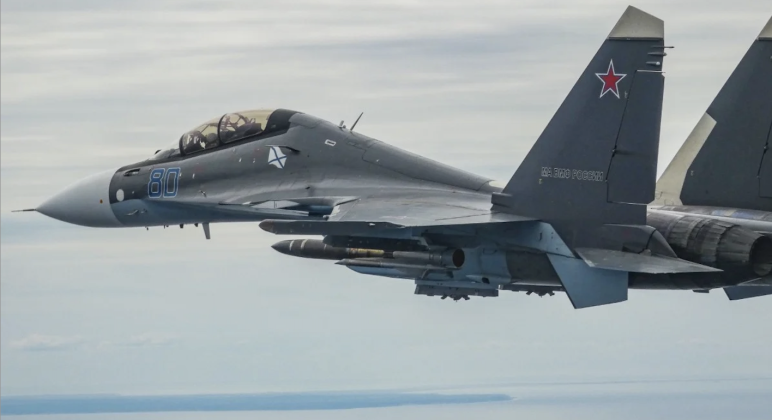
The Russian Navy has deployed ten Su-30SM2 multirole long-range fighters from the Baltic Fleet's Naval Aviation to execute high-intensity precision strike exercises in the Kaliningrad Region. Set against a backdrop of escalating military reinforcement and intense NATO border build-ups across Eastern Europe, the drills were structured to rehearse complex offensive operations. Nestled geographically between Poland and Lithuania, the heavily militarized Russian exclave provides combat aircraft with rapid access routes across large portions of Central and Northern Europe.

According to official statements from the Baltic Fleet's press service, the multi-phase training flights were heavily focused on delivering close air support and executing targeted destruction against simulated enemy infrastructure. Mission profiles required flight crews to locate and neutralize high-value assets, including hostile command posts, deep defensive fortifications, and concentrated formations of armored vehicles. The tactical exercises commenced with rigorous aerial reconnaissance sweeps of the target sectors before transition into active simulated bombing runs.

During the primary strike phase, the fighters utilized P-50T practice bombs, which accurately replicate the physical handling and aerodynamic characteristics of real combat ordnance while employing reduced explosive payloads for range safety. Following the simulated bombing passes, the squadrons transitioned to close-range strafing and rocket assaults, engaging armored convoys with S-8 unguided rockets and internal GSh-30-1 30 mm automatic cannons. This extensive progression allowed aircrews to practice the complete sequence of tactical air-to-ground missions required in a high-intensity European conflict.

As the longest-ranged fourth-generation fighter type deployed in Europe outside mainland Russia, the Su-30SM2 serves as a cornerstone of Moscow's regional deterrence strategy. Upgraded extensively with technologies derived from the Su-35 program—including advanced AL-41SF-S engines providing increased thrust and fuel efficiency—the aircraft bridges a critical capability gap while retaining the advantages of a two-seat cockpit. Although the recent drill relied on unguided training munitions, the jets are fully equipped to deploy heavy precision-guided stand-off weapons, such as Kh-31 anti-radiation and anti-ship missiles.

Defense analysts note that while the Su-30SM2 remains one of the most formidable tactical strike platforms operating on the continent, it faces mounting strategic challenges from the rapid proliferation of fifth-generation F-35 stealth fighters among NATO members. Nevertheless, the Kaliningrad-based squadrons continue to refine their operational readiness, emphasizing rapid response capabilities and heavy payload delivery tailored for contested regional environments.

Rafael Reaches Major Global Milestone with Delivery of 1,000th Typhoon Naval Weapon System to Israeli Navy


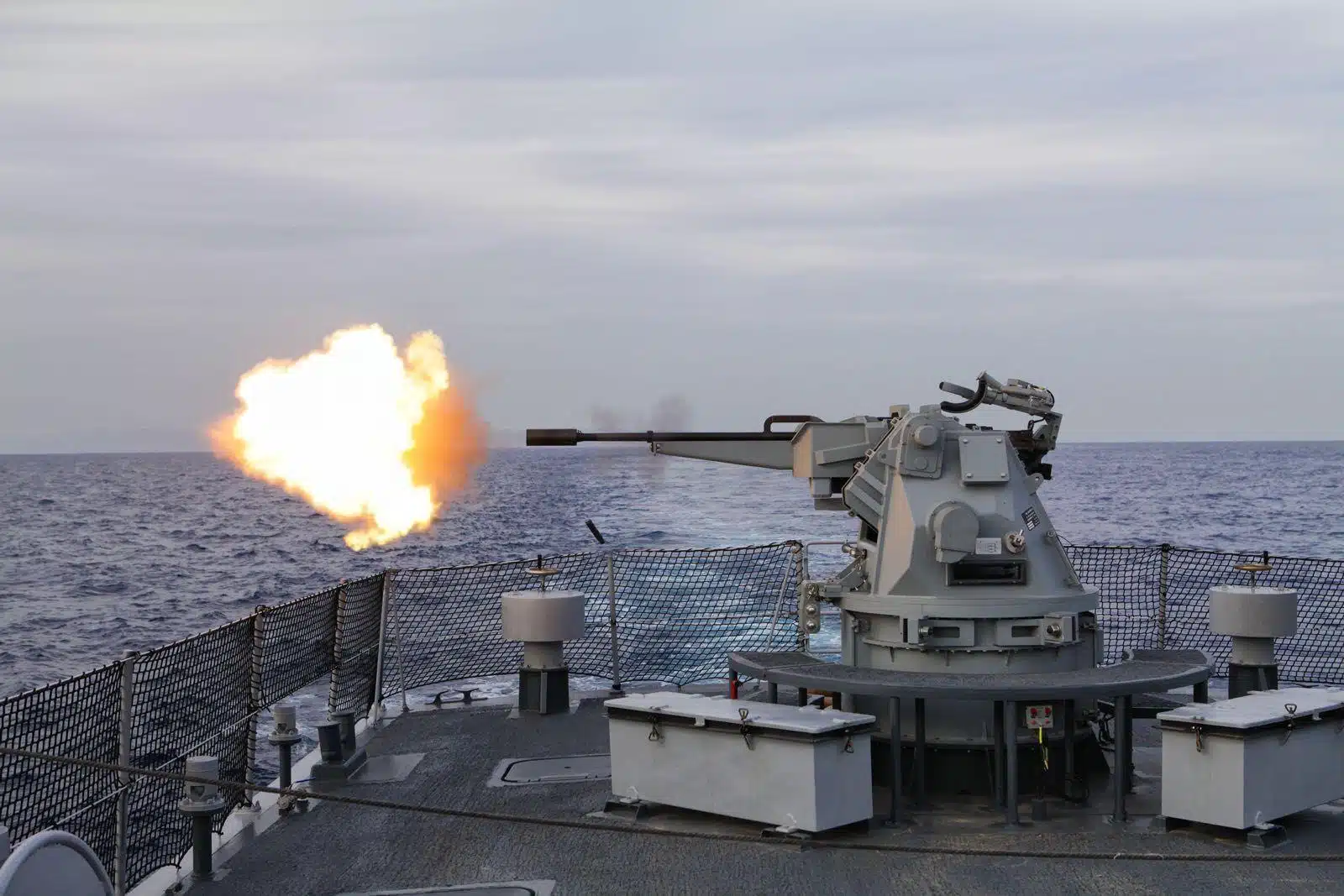
 Rafael Advanced Defense Systems has officially reached a historic production milestone, delivering its 1,000th Typhoon stabilized remote-controlled naval weapon station. The landmark system was formally handed over to the Israeli Navy, marking over two decades of continuous operational service for the Typhoon family within Israel's maritime fleet. Recognized as one of the world's most widely deployed remotely operated naval defense solutions, the platform currently serves across 25 distinct navies and maritime security forces globally, including key allied operators such as the United States, Canada, and Australia.

The achievement underscores the growing imperative for advanced, multi-layered ship defense capabilities as global waterways become increasingly congested and contested. Modern maritime forces face an evolving spectrum of asymmetric dangers, ranging from fast attack craft to low-signature unmanned aerial vehicles and one-way attack drones. By utilizing remote-controlled weapon stations like the Typhoon, ship crews can accurately detect, track, and neutralize high-speed threats from the safety of protected internal command stations, drastically reducing exposure to hostile fire.

As part of its ongoing modernization partnership with the Israeli Navy, Rafael has recently supplied advanced variants, including the 30 mm Typhoon Mk-30c systems. These cutting-edge weapon stations are currently being integrated onto frontline surface combatants, such as the Sa'ar 6 corvettes, to bolster both offensive and defensive operational parameters. Defense officials have indicated that additional procurement cycles are locked in for coming years, which will systematically replace legacy weapon inventories and expand the deployment of smaller Mini-Typhoon variants across auxiliary hulls.

Technologically, the Typhoon system combines sophisticated electro-optical fire-control tracking suites with automated routines designed to drastically accelerate target engagement times and minimize operator cognitive load. The modular architecture supports high-capacity ammunition feeds and rapid switching between diverse munitions, including air-burst and proximity-fuzed rounds optimized for countering aerial drone swarms. This flexibility allows individual operators to seamlessly tailor the station to shifting combat scenarios without modifying the underlying deck-mount infrastructure.

Company leadership emphasizes that hitting the 1,000-unit threshold validates Rafael's sustained focus on engineering combat-proven solutions that ensure tactical superiority. CEO Yoav Tourgeman noted that as maritime choke points and shipping lanes face rising threat levels, reliable precision protection remains a strategic necessity for modern fleets. With ongoing production lines continuing to fulfill international orders, the Typhoon platform remains firmly entrenched as a foundational pillar of modern surface warfare defense for decades to come.

Australia Selects Leidos Gibbs & Cox to Lead Preliminary Design for AUKUS Submarine Contingency Dry Dock


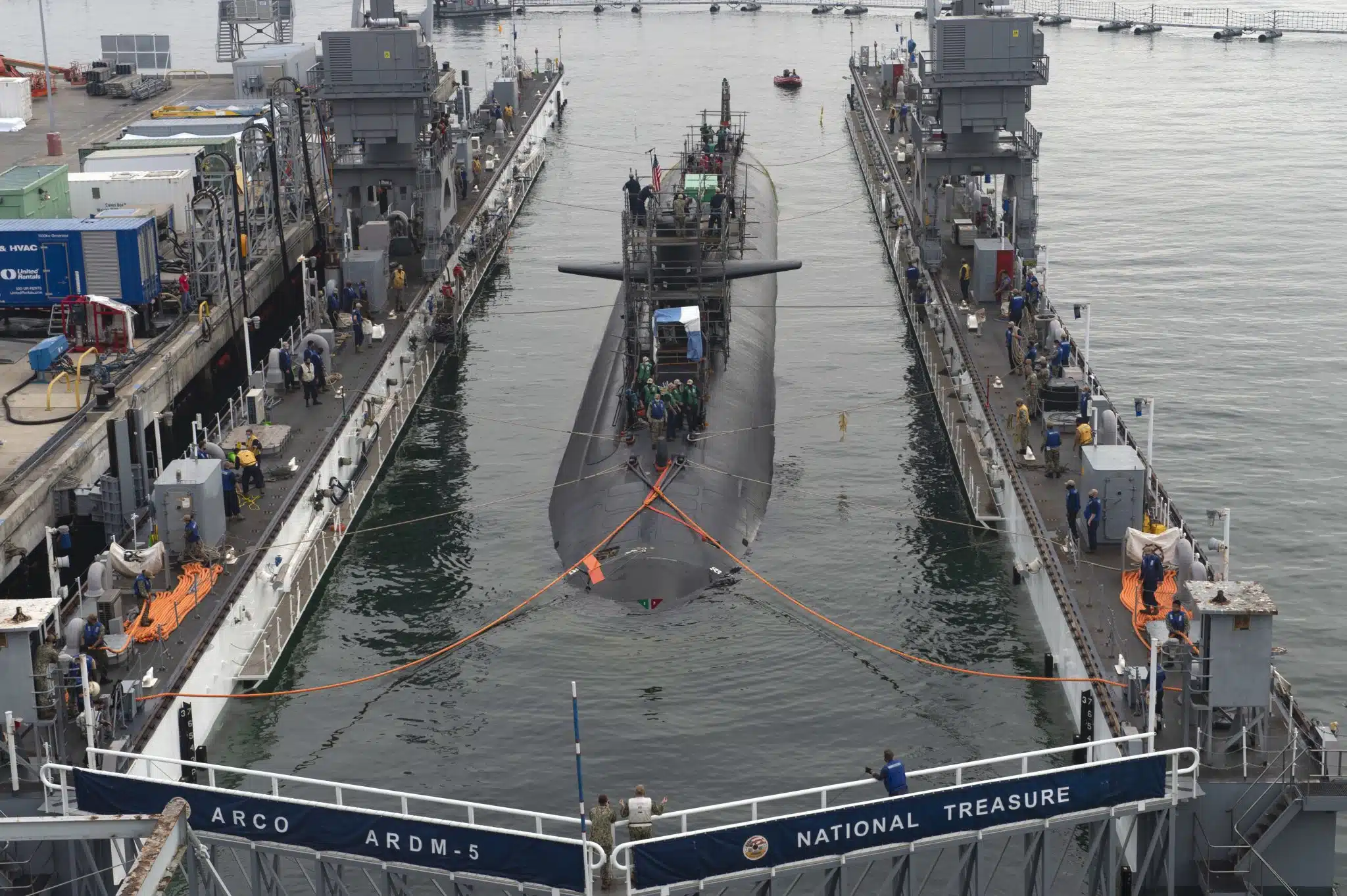
The Australian government has officially announced the selection of Leidos Gibbs and Cox Australia to lead the preliminary design phase for a new submarine contingency dry dock. Formally unveiled by the Albanese government, the strategic infrastructure project will be established in Western Australia to support the nation’s future fleet of conventionally armed, nuclear-powered submarines. This milestone contract marks a vital progression in implementing the trilateral AUKUS security pact, ensuring that necessary maritime repair and maintenance architectures are developed well ahead of operational fleet deployments.

The specialized floating dry dock facility is slated to be operational by the early 2030s, providing critical intermediate maintenance capacity prior to the commencement of full depot-level submarine servicing scheduled for the late 2030s. Defense officials emphasize that establishing this contingency capability is an essential prerequisite before Australia receives its first Virginia-class submarine. Furthermore, the installation will serve as a flexible logistical asset capable of providing contingency repair support to allied vessels from the United States and the United Kingdom operating throughout the Indo-Pacific region.

The design initiative is tightly integrated with broader regional defense expansions, specifically underpinning the massive developments happening across HMAS Stirling and the newly designated Henderson Defence Precinct. Backed by an initial $12 billion government commitment toward the Henderson hub, the wider program is projected to create thousands of direct, highly skilled jobs for Australian workers over the next two decades. This sustained investment aims to foster a resilient domestic industrial base capable of maintaining advanced nuclear-powered platforms under strict national and international regulatory frameworks.

In addition to floating dry dock services, the enterprise builds upon longstanding collaborative relationships between international defense prime contractors and the Australian Department of Defence. Leidos Gibbs & Cox—drawing on decades of naval architecture experience—will leverage its deep technical expertise to engineer a facility that complies with the highest standards of nuclear safety, security, and environmental safeguards. As preliminary planning ramps up, the project highlights how the AUKUS agreement is rapidly translating high-level strategic partnerships into tangible, boots-on-the-ground industrial realities across Western Australia.

Congress Directs U.S. Navy to Overhaul Torpedo Inventories and Boost Production in FY27 NDAA


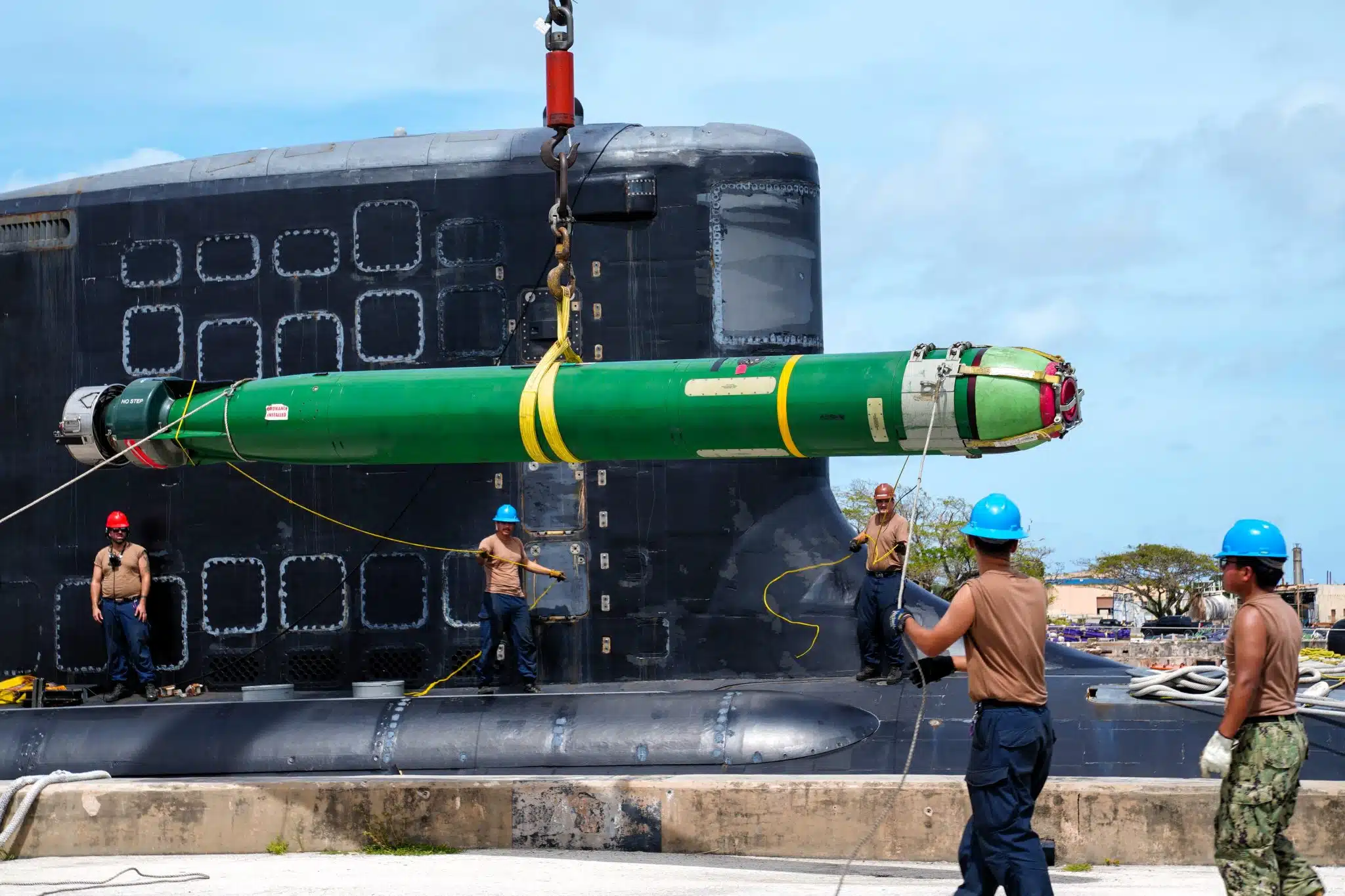
 In a decisive move to address mounting strategic competition, Congress has utilized the National Defense Authorization Act (NDAA) for Fiscal Year 2027 to mandate a massive overhaul of the U.S. Navy's torpedo inventories and manufacturing capabilities. Aimed directly at ensuring adequate undersea weaponry to support a complex two-war strategy, the new legislative directive instructs the Secretary of the Navy to implement comprehensive reforms. Lawmakers emphasize that shrinking stockpiles and defense industrial constraints pose a critical risk to fleet readiness in active maritime theaters.

Under the framework outlined in the FY27 NDAA, the Navy is required to establish strict inventory floors within 90 days of enactment across all major underwater ordnance lines. This encompasses heavy-hitting MK-48 Advanced Capability (ADCAP) torpedoes, MK-54 lightweight variants, specialized training rounds, and crucial defensive torpedo countermeasures. These mandatory baseline quantities will be directly informed by a newly requested expenditure assessment modeling potential peer-to-peer conflict scenarios, ensuring the service never finds itself dangerously depleted during a protracted engagement.

Beyond establishing numeric inventory floors, the congressional mandate orders a comprehensive review of America's defense industrial base to identify and eliminate persistent production bottlenecks. Key focus areas include securing stable supply chains for critical energetics, propulsion systems, acoustic seekers, guidance electronics, and specialized specialty metals. To resolve these vulnerabilities, the Navy must formulate concrete plans to scale up production capacity through multi-year procurement contracts, private-public facility expansions, and the integration of qualified second-source suppliers.

The legislation also directs a thorough modernization of current testing infrastructure, including target vessels, deep-water tracking ranges, and environmental evaluation protocols designed for extreme arctic conditions. Concurrently, the service is expanding its tactical inventory with emerging programs like the MK-58 Compact Rapid Attack Weapon and low-cost heavyweight torpedo concepts meant to complement standard stocks. Defense analysts note these synchronized initiatives represent a vital shift toward fortifying the U.S. Navy's undersea dominance against advanced adversary countermeasures.

Poland Finalizes Landmark SEK 47 Billion Deal with Saab for Three A26 Submarines


 The Polish Armaments Agency has officially signed a monumental contract with Swedish defense contractor Saab valued at approximately SEK 47 billion (approx. €4.23 billion) for the production and delivery of three A26-type (Blekinge-class) submarines. Concluding the long-running "Orka" modernization program, the agreement marks a major strategic expansion of Poland's undersea warfare capabilities. Designed explicitly for the demanding, acoustically complex environment of the Baltic Sea, the advanced stealth platforms will significantly bolster NATO's northern flank against regional security threats.

Under the baseline industrial schedule, submarine deliveries will span a multi-year manufacturing window, beginning with the first hull in 2031 and concluding with the final vessel in 2038. This careful pacing allows Polish shipyards and naval infrastructure ample time to prepare for the integration of next-generation submarine technologies. The advanced AIP (Air-Independent Propulsion) systems featured on the A26 will grant the vessels extended submerged endurance, making them exceptionally difficult to detect in shallow, heavily monitored European waters.

To bridge the critical operational capability gap left by Poland's aging Soviet-era Kilo-class submarine, the Orzel, the agreement includes a separate government-to-government arrangement for the interim lease of the Swedish Navy’s A17-class submarine, HMS Södermanland. Under this interim plan, Polish submariners are scheduled to begin intensive training and operational deployment cycles in the Baltic Sea immediately. This transitional measure ensures that crews maintain vital underwater warfare proficiencies while the newly ordered hulls are actively under construction in Karlskrona.

The comprehensive contract package also outlines extensive weapon systems and industrial cooperation frameworks. Saab has confirmed that the submarines will arrive equipped with a robust weapons package featuring advanced light and heavy torpedoes, alongside specialized contract provisions to integrate an undisclosed submarine-launched cruise missile system. Furthermore, the accord involves substantial technology transfer and industrial localization, with Sweden investing heavily to establish localized maintenance, repair, and overhaul (MRO) facilities within Polish shipyards to ensure long-term national fleet autonomy.

Defense analysts have widely praised the agreement as a watershed moment for European defense cooperation and regional deterrence. By aligning Polish and Swedish naval operations under shared platforms and tactical doctrines, NATO significantly tightens its control over strategic maritime chokepoints in Northern Europe. As preliminary engineering and steel-cutting phases prepare to begin, the historic acquisition underscores Poland's broader commitment to modernizing its armed forces with world-class, interoperable military hardware.

Pentagon Launches Fast-Track Initiative for Robot Boats Capable of Launching Aerial Attack Drones


 Spurred by evolving asymmetric threats in contested maritime environments like the Persian Gulf, the Pentagon has issued an aggressive new call for advanced unmanned surface vessels (USVs) capable of carrying and launching aerial attack drones. Managed through the Defense Innovation Unit (DIU), the initiative—designated the Suitable Warfighting Adaptive Payloads (SWAP-USV) project—seeks to rapidly integrate market-ready robot boats with multiple mature aerial drones. The primary goal is to find cost-effective solutions that can detect, track, and neutralize hostile targets without relying exclusively on multi-million-dollar traditional warships.

The official solicitation outlines a multi-phase prize challenge backed by $100 million in total prize funding, with subsequent eligibility for multi-million-dollar procurement contracts. The Pentagon is looking for versatile USV platforms capable of supporting a mix of recoverable and one-way attack drones. Together, these integrated aerial components must be capable of delivering a combined kinetic payload of at least two kilograms while executing diverse missions such as intelligence, surveillance, reconnaissance (ISR), electronic warfare, and precision strikes against stationary or moving targets.

To match the rapid pace of modern technological warfare, the initiative relies on an accelerated timeline. Sprint 1 calls for initial in-water testing by the fall of 2026, with an ambitious target of deploying operational systems to the field within 120 days of selection. Subsequent phases, spanning into 2027, will focus on expanding payloads, upgrading autonomy software, and integrating multi-vendor systems. Furthermore, the military has specified that the craft must be mobile enough to fit inside standard shipping containers, road trailers, or tactical transport aircraft like the C-17 and C-130.

The urgent push for drone-launching surface craft follows recent combat milestones, including the U.S. Navy's first combat employment of kamikaze surface drones by CENTCOM forces in the Middle East. By combining autonomous maritime mobility with aerial strike capabilities, the Pentagon aims to drastically tilt the cost-exchange ratio in asymmetric naval conflicts. As defense manufacturers scramble to meet the tight August response deadline, the SWAP-USV project highlights the military's deepening commitment to scaling autonomous, multi-domain swarm capabilities across global operational theaters.

Pentagon Kicks Off Comprehensive Europe Force Review to Shift Conventional Defense Burden to NATO Allies


 The Pentagon has officially launched a comprehensive review of U.S. military force posture, basing, and troop allocations across Europe. Announced initially by Defense Secretary Pete Hegseth during the NATO defense ministerial meeting in Brussels, Under Secretary of Defense for Policy Elbridge Colby confirmed that the formal evaluation process is now underway. Designed to span up to six months, the Europe Posture Review aims to accelerate NATO's transition toward assuming primary responsibility for the continent's conventional defense, reducing the long-standing defense burden carried by the United States.

The strategic initiative aligns directly with the administration's broader defense guidelines, bridging the 2025 National Security Strategy and the 2026 National Defense Strategy. Pentagon leadership has emphasized that the assessment is structured to evaluate whether current American force deployments match modern geopolitical realities, particularly as Washington balances simultaneous security commitments across multiple global theaters, including rising strategic competition in the Indo-Pacific. Officials maintain that the review will help forge a "NATO 3.0" framework—envisioned as a more equitable, self-sustaining alliance capable of operating as a powerful warfighting organization.

While administration officials stress that the U.S. remains deeply committed to the transatlantic alliance, the review raises critical questions regarding potential shifts in American troop levels, base structures, and specialized capabilities. For decades, European member states have relied heavily on U.S.-provided enablers, including integrated air and missile defense systems, long-range fires, intelligence architectures, and strategic airlift assets. The Pentagon's evaluation will carefully analyze how and when European allies can step in to fill these operational gaps without leaving strategic vulnerabilities along NATO's sensitive eastern flank.

Throughout the multi-month evaluation period, the Department of Defense will coordinate closely with General Alexus Grynkewich, NATO’s Supreme Allied Commander Europe, alongside extensive consultations with European capitals and the U.S. Congress. Although the Pentagon has not yet signaled immediate unit withdrawals or specific base closures, the ultimate recommendations are expected to reshape the trans-Atlantic security architecture significantly. As allied governments brace for the findings, defense planners are examining how a leaner American footprint will alter the operational readiness and self-sufficiency of European military forces in the years ahead.

U.S. Navy Deploys GARC Uncrewed Surface Vessel in First Live-Fire Sinking Exercise


 The U.S. Navy has executed its first-ever live-fire strike utilizing the Global Autonomous Reconnaissance Craft (GARC) uncrewed surface vessel during a high-profile sinking exercise off the coast of Hawaii. Operating as part of the biennial Rim of the Pacific (RIMPAC) 2026 exercise, Unmanned Surface Vessel Division 32 (USVDIV-32) deployed the compact autonomous boat to target the decommissioned Tarawa-class amphibious assault ship ex-USS Peleliu. The successful kinetic strike blew a distinct hole near the waterline of the 40,000-ton warship, marking a major milestone in the integration of attritable one-way attack surface drones into mainline naval operations.

Developed by Baltimore-based BlackSea Technologies, the 16-foot GARC platform is designed with a modular architecture capable of supporting payloads up to 1,000 pounds over a 700-nautical-mile range at a cruising speed of 22 knots. During the July 17 demonstration, the drone utilized an advanced autonomy package—incorporating software suites like Anduril’s Lattice—to navigate toward and accurately strike its target. Released footage captured by a secondary accompanying drone showcased the devastating precision of the autonomous system, providing naval commanders with unprecedented visual data of the post-strike structural damage.

The historic live-fire demonstration follows closely on the heels of other major milestones for the Navy’s nascent uncrewed units, including specialized tactical integration trials during exercises like BALTOPS 2026 in the Baltic Sea. Established earlier this year, USVDIV-32 has been tasked with rapidly operationalizing uncrewed surface systems and shaping training pipelines for the Navy's newly created Robotics Warfare Specialist rating. Leadership emphasized that transitioning these capabilities from experimental concepts into active fleet architectures allows the service to industrialize tactical sea drone warfare.

The demonstration also mirrors a broader global shift toward low-cost, high-impact uncrewed maritime systems, following recent combat employments of similar drone boats by U.S. Central Command forces in the Middle East. By proving that small, relatively inexpensive uncrewed vessels can effectively breach and disable massive multi-thousand-ton combatants, the Navy is rewriting traditional surface warfare doctrine. These exercises provide vital operational insights as military planners prepare for distributed, highly contested maritime environments in the Indo-Pacific and beyond.

As the RIMPAC 2026 exercises conclude, the data gathered from the Peleliu sinking will directly inform future procurement and tactical doctrine for the U.S. surface fleet. With uncrewed surface vessels rapidly evolving from simple reconnaissance tools into lethal, long-range strike assets, the Navy's hybrid fleet initiatives are cementing autonomous systems as a permanent cornerstone of modern naval power projection.