In a decisive move to address mounting strategic competition, Congress has utilized the National Defense Authorization Act (NDAA) for Fiscal Year 2027 to mandate a massive overhaul of the U.S. Navy's torpedo inventories and manufacturing capabilities. Aimed directly at ensuring adequate undersea weaponry to support a complex two-war strategy, the new legislative directive instructs the Secretary of the Navy to implement comprehensive reforms. Lawmakers emphasize that shrinking stockpiles and defense industrial constraints pose a critical risk to fleet readiness in active maritime theaters.
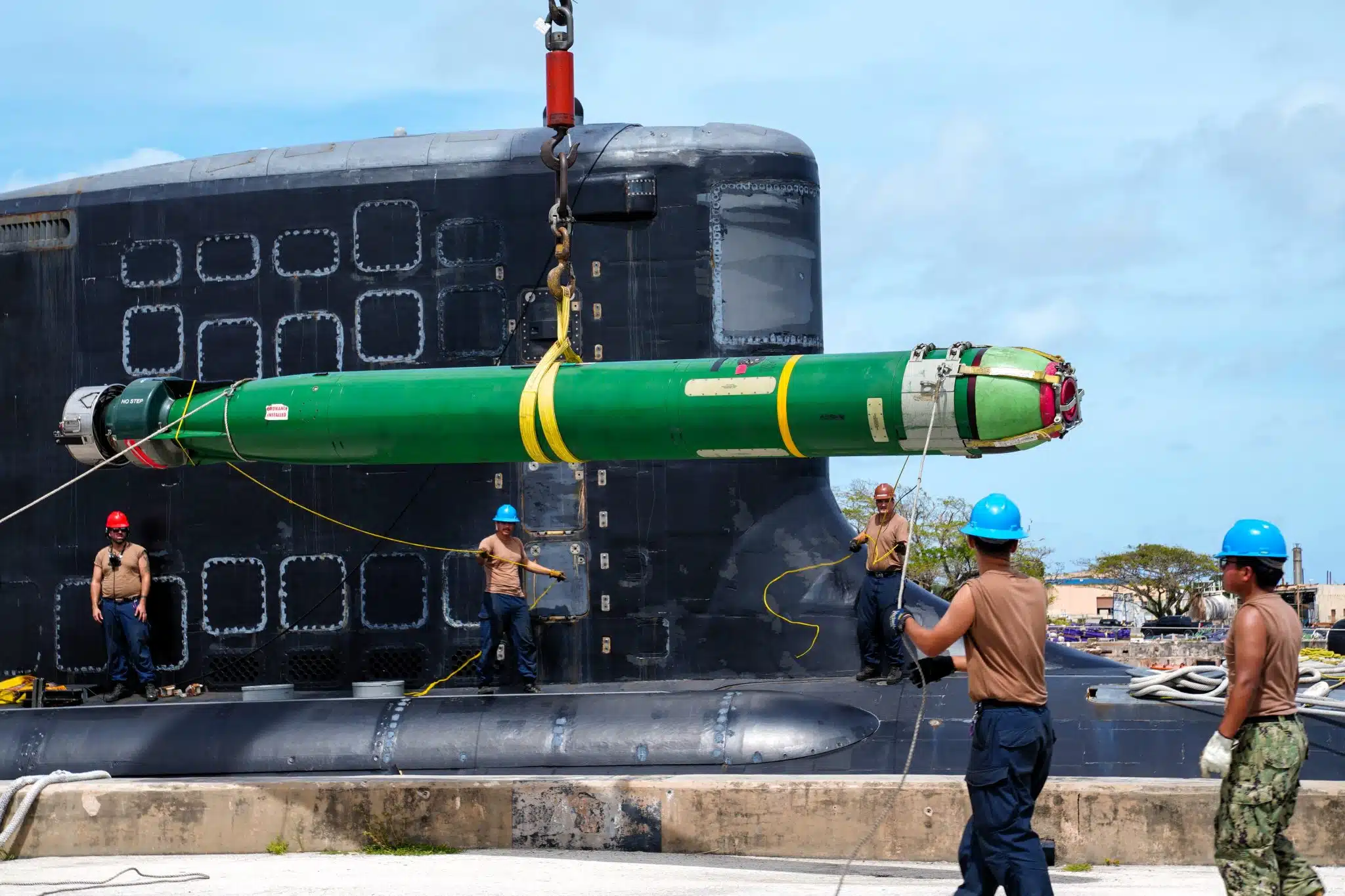
Under the framework outlined in the FY27 NDAA, the Navy is required to establish strict inventory floors within 90 days of enactment across all major underwater ordnance lines. This encompasses heavy-hitting MK-48 Advanced Capability (ADCAP) torpedoes, MK-54 lightweight variants, specialized training rounds, and crucial defensive torpedo countermeasures. These mandatory baseline quantities will be directly informed by a newly requested expenditure assessment modeling potential peer-to-peer conflict scenarios, ensuring the service never finds itself dangerously depleted during a protracted engagement.
Beyond establishing numeric inventory floors, the congressional mandate orders a comprehensive review of America's defense industrial base to identify and eliminate persistent production bottlenecks. Key focus areas include securing stable supply chains for critical energetics, propulsion systems, acoustic seekers, guidance electronics, and specialized specialty metals. To resolve these vulnerabilities, the Navy must formulate concrete plans to scale up production capacity through multi-year procurement contracts, private-public facility expansions, and the integration of qualified second-source suppliers.
The legislation also directs a thorough modernization of current testing infrastructure, including target vessels, deep-water tracking ranges, and environmental evaluation protocols designed for extreme arctic conditions. Concurrently, the service is expanding its tactical inventory with emerging programs like the MK-58 Compact Rapid Attack Weapon and low-cost heavyweight torpedo concepts meant to complement standard stocks. Defense analysts note these synchronized initiatives represent a vital shift toward fortifying the U.S. Navy's undersea dominance against advanced adversary countermeasures.


No comments:
Post a Comment