The rule governing these talks is simple and, for anyone hoping they succeed, brutal: the Convention on Certain Conventional Weapons operates entirely by consensus. All 128 member states have to agree, which means any single one of them can kill the deal by saying no. Right now, according to diplomats speaking to Reuters from this week's Geneva session, two of the most consequential militaries on earth are doing exactly that.
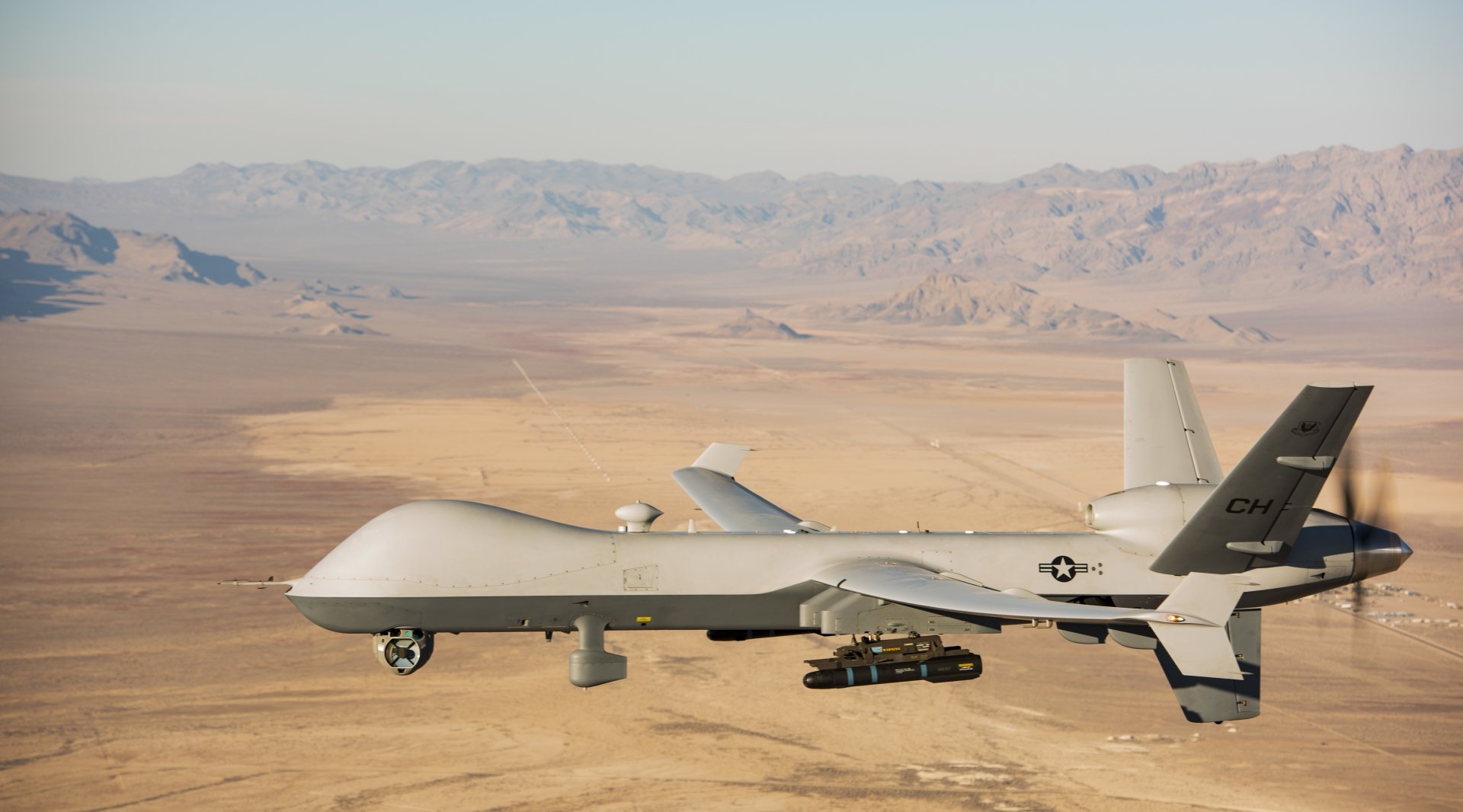
The document at stake is a non-binding text that wouldn't itself ban anything. Its job is narrower and more procedural: opening the door to actual negotiations on rules for Lethal Autonomous Weapons Systems, drones, targeting software, and other AI-enabled weapons capable of identifying and engaging targets with varying degrees of human involvement. A rolling draft the broader working group has developed over several years takes a two-tier approach, an outright ban on systems that can't be operated under meaningful human control, and binding regulation for everything else that can. More than 70 states endorsed that framework back in March. It's meant to be the floor everyone builds from here.
The United States and Russia are pushing back on that floor from the same general direction, though not for identical reasons voiced in public. Both governments argue existing international humanitarian law already covers how these weapons should be used in war, making a new treaty premature or unnecessary. One senior diplomat told Reuters that Washington's position has specifically hardened over the past six months, moving toward something closer to voluntary guidelines rather than a legally binding instrument. That's a real shift in emphasis, not a change in the basic argument, and it's worth noting Washington isn't purely obstructing behind closed doors: at least six countries received formal diplomatic outreach from the US specifically trying to build support for its preferred version of the text, which one source characterized as genuine engagement rather than pure stonewalling. The dispute, per that reporting, comes down to specific words, including how the text defines "lethality" and what it says about preserving human judgment and control.
The clock matters here more than the substance of any single disputed phrase. The group's current negotiating mandate runs out in November, and Friday was supposed to be the moment diplomats either lock in consensus language or watch years of drafting work potentially evaporate. "The window is getting smaller to getting an agreement," one diplomatic source said. Another was blunter about what's actually at risk: key provisions debated for years could simply get dropped in a last-minute scramble to produce anything at all, or the whole effort could end without a deal.
It's worth being precise about who's actually opposed here, because the US and Russia aren't isolated. Reporting on the broader diplomatic landscape names Australia, India, Israel, Japan, South Korea, and the United Kingdom as also resisting legally binding regulation, a group spanning genuinely different political systems and strategic postures, united mainly by being countries that either build or rely heavily on advanced military technology. Brazil, Ireland, and a bloc of African states have been the most consistent advocates for a binding treaty with real human-control safeguards. That split tracks a fairly predictable line: countries investing the most in autonomous weapons development tend to want maximum flexibility in how they're eventually allowed to use them, while countries without that same technological stake see less cost in supporting firm limits.
UN Secretary-General António Guterres and Red Cross President Mirjana Spoljaric didn't wait for Friday's outcome before sounding an alarm. In August, both warned the world was approaching what they called a moral red line, a threshold where letting machines make life-and-death targeting decisions with diminishing human oversight becomes normalized simply because no binding rule ever arrived in time to stop it. Whether Friday's session produced a deal or joined the list of near-misses this process has already accumulated, the underlying tension isn't going anywhere: the same handful of states most capable of building these weapons remain the ones with the least appetite for being told, by treaty, how they're allowed to use them.