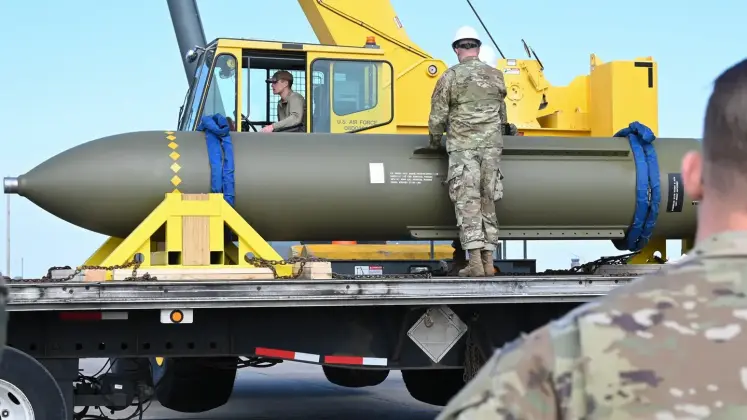
The escalating financial and material costs of the ongoing U.S. military campaign against Iran have begun to critically impair the operational readiness of American armed forces. Testifying before the Senate Appropriations Committee, Defense Secretary Pete Hegseth warned lawmakers that ongoing military activities have pushed total conflict expenditures to approximately $37.5 billion, a dramatic surge from previous budgetary estimates. Because the Pentagon's primary operational funds are rapidly draining, military leadership confirmed that crucial training exercises, flying hours, and unit readiness programs will have to be significantly curtailed unless Congress rapidly approves tens of billions of dollars in emergency supplemental funding.
The unprecedented resource drain is largely driven by the high tempo of sustained air operations, naval deployments, continuous missile defense activities, and the necessity of replacing rapidly depleting reserves of precision-guided munitions. Defense officials highlighted that interceptor stocks for advanced air defense architectures like the THAAD and Patriot systems have faced intense consumption rates, while billions of dollars in equipment have been lost or damaged during retaliatory Iranian strikes. To bridge immediate financial gaps and maintain active operations through the end of the fiscal year, the Department of Defense has been forced to divert resources away from normal military maintenance, facility upkeep, and foundational combat training accounts.
This sudden reallocation of cash has triggered deep concerns among military analysts and defense experts regarding long-term combat effectiveness and force readiness. Military readiness relies heavily on maintaining consistent pilot proficiency, unit cohesion, and large-scale joint exercises; cutting these programs can swiftly degrade tactical skills, particularly for complex fifth-generation fighter platforms and integrated air defense units. Furthermore, critics point out that these internal funding crunches exacerbate existing disparities, noting that adversarial forces such as Chinese military pilots already maintain significantly higher annual training hours than their U.S. counterparts.
The funding crisis also places acute pressure on broader strategic deterrence priorities, particularly concerning America's defense posture in the Indo-Pacific. With specialized weapons stockpiles heavily depleted by months of heavy Middle Eastern engagements, defense reviews indicate that the U.S. faces a critical window of vulnerability if it is forced to respond to concurrent crises in other global theaters. While the White House has formally requested $67.1 billion in supplemental appropriations to stabilize the defense budget, congressional gridlock and impending legislative recesses threaten to delay any immediate financial relief.
As the Pentagon continues to lobby lawmakers for emergency funds and permission to reallocate billions from procurement and training accounts, the long-term fallout of the conflict remains a central focus of defense policy debates. The strain on resources underscores the complex economic and strategic trade-offs of prolonged military campaigns, illustrating how regional flashpoints can directly impact the core readiness and global force posture of the United States armed forces.
The Chinese aerospace sector has achieved a significant milestone in uncrewed aviation development following the successful maiden flight of the Yitong TP200. Developed independently by Yi-Tong UAV System Co., Ltd. and tested in Yantai City, Shandong Province, the aircraft represents China's first multi-functional long-endurance unmanned aerial vehicle designed strictly in accordance with official airworthiness standards. During the inaugural test flight, the platform maintained a stable and controllable attitude, with climb altitude, cruising speed, and comprehensive performance metrics meeting all strict design targets.
Engineered specifically for high-altitude, long-endurance operations, the TP200 boasts an impressive capability to remain airborne for more than 24 hours while carrying a full payload. Unlike traditional military or commercial drones restricted by single-purpose configurations, this advanced platform features a modular, multi-configuration architecture. This innovative design allows operators to swap out specialized mission payloads rapidly, effectively overcoming industry-wide challenges such as low equipment reuse rates, poor operational versatility, and excessive maintenance overhead.
The versatility of the TP200 positions it for seamless integration across a diverse array of demanding operational scenarios, spanning both government procurement and civilian markets. Its core capabilities include long-range maritime patrol, offshore search and rescue, routine coastline monitoring, and advanced meteorological observation. Additionally, the platform is engineered to support weather modification tasks, disaster relief operations, and precise cargo delivery to remote mountainous terrain or isolated island communities.
By bridging the gap between specialized aviation hardware and multi-role utility, the Yitong TP200 is expected to accelerate the broader adoption of large uncrewed systems in commercial and public sectors. The modular layout ensures that agencies can quickly reconfigure the aircraft for forest fire prevention patrols, ecological monitoring, or territorial mapping without requiring entirely separate fleets. This cost-effective flexibility represents a major leap forward in utility drone manufacturing.
As the aircraft progresses through subsequent flight validation phases, defense and civil aviation analysts will monitor its transition toward serial production. The successful introduction of an airworthiness-compliant heavy drone sets a new benchmark for uncrewed systems development, offering a scalable blueprint for future multi-role platforms operating across complex domestic and international operational landscapes.
The Belgian Defense Ministry has announced a significant operational upgrade for its newly inducted fleet of uncrewed aircraft, confirming plans to arm its MQ-9B SkyGuardian drones with precision-guided Brimstone missiles. Developed by General Atomics Aeronautical Systems, the SkyGuardian platform was originally acquired by Belgium primarily to execute persistent intelligence, surveillance, and reconnaissance missions across national and allied operational theaters. However, integrating a high-end kinetic strike capability marks a transformative shift, turning these medium-altitude long-endurance platforms into true hunter-killer assets capable of addressing dynamic threats with pinpoint accuracy.
The decision to incorporate the MBDA Brimstone missile stems from the weapon's proven combat pedigree and its exceptional ability to neutralize fast-moving armored targets while minimizing collateral damage. Featuring advanced millimeter-wave radar guidance alongside semi-active laser tracking, the missile can autonomously lock onto and track targets in complex environments, even when electronic jamming is actively deployed. By adding this munition to the SkyGuardian's hardpoints, the Belgian Air Force ensures that its remotely piloted aircraft can bridge the gap between long-range surveillance and immediate, decisive combat engagement.
This weapons integration aligns closely with cooperative capability milestones established between European defense partners and American manufacturers, mirroring similar integration pathways pursued by the United Kingdom for its Protector drone fleet. Operating from facilities such as Florennes Air Base, Belgian flight crews and intelligence specialists have undergone rigorous joint training regimens to master both the complex ground control architecture and the tactical deployment of precision ordnance. This comprehensive preparation guarantees that operators can seamlessly execute both surveillance and strike missions during international deployments.
The introduction of armed drone capabilities significantly bolsters Belgium's contribution to broader collective defense frameworks within the North Atlantic Treaty Organization. As alliance planners increasingly prioritize flexible, attritable air assets that can operate safely outside the reach of dense enemy air defenses, armed uncrewed platforms provide an ideal solution for high-risk environments. This capability allows military commanders to project power and maintain continuous overwatch without risking the lives of pilots in contested airspace.
As final integration trials and technical validations progress, defense analysts note that equipping the SkyGuardian with advanced strike packages redefines small-to-medium air force capabilities across Europe. By pairing unmatched flight endurance with lethal precision weaponry, Belgium is positioning its military aviation branch at the forefront of modern uncrewed combat doctrine. Industry observers will be watching closely as these newly armed systems achieve full operational readiness and begin executing active deterrent patrols.
The Israeli defense establishment is actively evaluating the potential acquisition of U.S.-made Boeing P-8A Poseidon maritime patrol aircraft to significantly upgrade its naval defense infrastructure. Driven by shifting geopolitical dynamics and an increasingly complex security environment across the Eastern Mediterranean, this potential procurement aims to dramatically enhance Israel's anti-submarine warfare capabilities, long-range maritime surveillance, and intelligence-gathering operations. As regional naval forces continue to modernize and expand their underwater fleets, Israeli military planners are prioritizing advanced airborne assets that can secure vital maritime choke points and offshore economic zones.
Strategic assessments highlight that growing concerns regarding Turkey's expanding naval capabilities and modernized diesel-electric submarine fleet have directly influenced these defense considerations. With Ankara continuing to strengthen its maritime assets and deploy advanced technologies across regional waters, Israeli officials are placing renewed focus on closing existing capability gaps in long-range underwater tracking. Because the Israeli Navy's traditional structure has focused primarily on coastal defense and smaller surface patrols, acquiring dedicated multi-role patrol aircraft is viewed as a vital step to maintain strategic equilibrium.
The P-8A Poseidon is widely recognized as one of the most capable maritime patrol and anti-submarine platforms currently in service globally. Built on a modified Boeing 737 airframe, the aircraft combines high operational endurance with sophisticated sensor suites, including the Raytheon AN/APY-10 multi-mode radar for synthetic aperture surface searches and periscope detection. Additionally, the platform features advanced acoustic sensor systems capable of deploying and monitoring numerous active and passive sonobuoys simultaneously, giving operators exceptional underwater tracking performance across vast oceanic expanses.
Beyond its primary anti-submarine mandate, the Poseidon excels in anti-surface warfare, intelligence, surveillance, reconnaissance, and search-and-rescue missions. The aircraft's expansive combat radius and ability to remain on station for extended periods allow for continuous oversight of regional waters. Furthermore, its internal weapon bays and under-wing hardpoints can accommodate lightweight torpedoes, depth charges, naval mines, and advanced anti-ship missiles such as the Harpoon, providing a potent multi-role strike capability against both surface vessels and underwater threats.
While military officials acknowledge the immense tactical value of the P-8A platform, the acquisition cost remains a substantial consideration for the Israeli Ministry of Defense. To make the procurement financially viable, discussions suggest that the acquisition could potentially be integrated into a broader U.S.-Israel defense cooperation framework or structured through long-term Foreign Military Sales agreements. Incorporating these aircraft would close existing capability gaps and provide the Israel Air Force with an unmatched maritime domain awareness tool tailored for high-threat environments.
The defense technology sector has entered a new phase of uncrewed aviation development following the official unveiling of the MGI T-022 Vortex by British engineering firm MGI Engineering. Designed specifically to compete in the United Kingdom's recently launched StormFighter procurement program, the aircraft represents a significant leap forward in affordable, high-performance uncrewed systems. By applying Formula 1-derived rapid prototyping and advanced lightweight composite expertise to military requirements, the Oxfordshire-based company has engineered a platform that bridges the historical gap between low-cost loitering munitions and expensive crewed fighters.
The T-022 Vortex is classified as an Autonomous Collaborative Platform, meaning it is built from the ground up to operate without a pilot while seamlessly integrating into coordinated teams alongside crewed jets. Unlike previous uncrewed systems that forced military planners to compromise between operational range, speed, or weapon payload, the Vortex delivers all three characteristics simultaneously. With a maximum take-off weight of 3,500 kilograms, a top speed approaching Mach 0.85, and a combat range exceeding 4,000 kilometers, the aircraft matches the performance envelope traditionally reserved for heavy fast jets while maintaining a cost-efficient unit price between three and six million pounds.
A core architectural strength of the Vortex lies in its advanced manned-unmanned teaming capabilities, allowing pilots aboard platforms like the Eurofighter Typhoon or F-35 Lightning II to command multiple uncrewed wingmen simultaneously. The aircraft's onboard artificial intelligence enables it to share real-time sensor data, adapt to tactical changes, and execute complex missions without requiring constant intervention from a ground operator. Furthermore, this high level of onboard autonomy ensures that the system can continue operating effectively even within heavily contested airspace where communication links and satellite guidance are actively jammed.
Powered by engines such as the Rolls-Royce Orpheus delivering robust thrust, the Vortex features four dedicated payload stations capable of accommodating up to 1,000 kilograms of ordnance or sensor packages both internally and externally. This versatile configuration allows the platform to transition smoothly across multiple mission profiles, including electronic warfare, intelligence gathering, suppression of enemy air defenses, and precision strike operations. Operating across an altitude envelope ranging from low-level tree-top skimming up to 12,000 meters, the aircraft provides commanders with unprecedented tactical flexibility.
The introduction of the Vortex aligns closely with the United Kingdom Ministry of Defence's broader strategy to field scalable, cost-effective uncrewed assets that extend the reach of frontline forces without exposing pilots to excessive risk. As defense procurement priorities shift toward attritable systems that can be manufactured rapidly and deployed in large numbers, sovereign platforms like the T-022 Vortex are poised to reshape the economics of modern air power. Industry watchers and military planners will be closely monitoring subsequent flight trials as the aircraft advances through the StormFighter evaluation pipeline.
This video provides an in-depth breakdown of airborne early warning and control systems, examining their technological mechanics and vital role as force multipliers in modern air warfare.
The evolution of modern air warfare has fundamentally shifted from traditional fighter-centric engagements toward network-centric operations where advanced force multipliers dictate operational success. While historical conflicts relied heavily on kinetic bomber runs and basic line-of-sight coordination, today's military landscape depends on sophisticated electronic warfare platforms, aerial refuelers, and specialized command nodes. Among these crucial assets, airborne early warning and control systems stand out as indispensable tools that provide military planners with persistent situational awareness and deep battlespace visibility far beyond the limits of surface infrastructure.
Understanding the necessity of these flying command posts requires examining the inherent physical limitations that constrain ground-based radar architecture. Because the curvature of the Earth restricts radar horizons—typically limiting surface installations to a relatively short detection window regardless of mast elevation or mountain placement—ground systems alone cannot effectively track low-flying threats across extended ranges. By lifting powerful sensor suites into the upper atmosphere aboard specialized aircraft, military forces bypass surface obstructions and secure an expansive, uninterrupted line of sight across hundreds of kilometers of contested airspace.
Airborne warning platforms fulfill two primary operational functions that dramatically enhance national defense capabilities: early warning detection and centralized airborne command. Operating hundreds of kilometers away from active frontlines, specialized fleets such as the Pakistan Air Force's Saab 2000 Erieye AEW&C units monitor airspace dynamics in real time while mission commanders and air defense controllers manage complex tactical engagements. This includes executing precise identification friend or foe procedures, sorting civilian air traffic from hostile tracks, and coordinating multi-platform missile assignments across advanced fighter fleets like the JF-17 and J-10C alongside ground-based air defenses.
Different military forces utilize distinct technological approaches to achieve comprehensive radar coverage, ranging from traditional rotating top-mounted radomes to side-looking phased array configurations. Platforms utilizing active electronically scanned array technology, such as the Saab 2000 Erieye units utilized by Pakistan, offer exceptional target tracking and electronic counter-countermeasure resilience, allowing operators to maintain complete oversight even in heavily jammed environments. Furthermore, unlike fixed ground installations that remain cumbersome to relocate, airborne warning assets provide unmatched operational mobility, enabling commanders to redeploy sensors instantly to whichever sector requires heightened surveillance.
The integration of these specialized capabilities into regional defense frameworks illustrates why airborne warning systems are rightly regarded as the unheralded backbone of modern air power. By bridging the gap between raw sensor data and decisive tactical execution, platforms like the Saab 2000 Erieye ensure that leadership maintains absolute control over complex multi-domain operations. As military technologies continue to advance, the strategic value of maintaining reliable, highly mobile eyes in the sky remains a cornerstone of effective aerospace defense doctrine.
Author Bio
Squadron Leader Ali Hamza is a retired PAF pilot with 20 years of experience, defence analyst, airpower expert, gold medallist in MSc DSS (Defence & Strategic Studies) from QAU, currently doing MPhil IR from NUML, Rawalpindi and has a keen interest in modern airpower’s role in the geopolitics at global and regional levels.
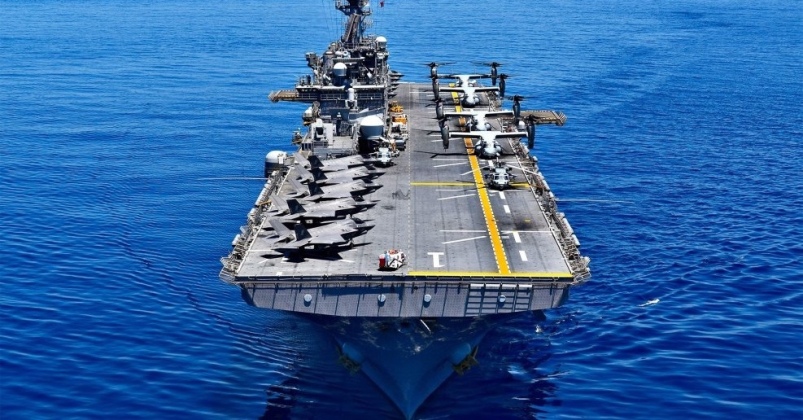
The United States Navy has officially redirected one of its premier forward-deployed amphibious strike groups from routine exercises in the Western Pacific directly into the Middle East. The sudden operational shift involves the Wasp-class amphibious assault ship USS Tripoli alongside its embarked Marine aviation force, illustrating how heavily ongoing commitments in the Central Command theater have forced Washington to reallocate strategic assets away from the Asia-Pacific command zone.
Rather than continuing bilateral training and expeditionary operations alongside regional allies in East Asia, the assault ship and its attached Marine expeditionary units were promptly reassigned to support active missions. Operating with an advanced aviation combat element capable of accommodating fifth-generation F-35B stealth fighters alongside tiltrotor aircraft, the vessel functions effectively as a lightweight aircraft carrier. This specialized configuration provides commanders with stealth combat airpower independent of traditional, heavily constrained nuclear-powered supercarriers.
Military analysts note that this high-profile redeployment highlights a growing structural strain on U.S. military resources globally. For years, the Department of Defense maintained a strict policy that countering peer adversaries in the Pacific remained its pacing scenario and top overarching defense priority. However, persistent asset drains and security demands in the Middle East have repeatedly forced the Pentagon to pull high-demand forces and tactical aviation away from other vital regional theaters.
The inclusion of the F-35B-capable assault carrier introduces enhanced tactical flexibility for ongoing operations, allowing the military to utilize short-takeoff and vertical-landing stealth jets for airborne surveillance, localized airspace control, and potential strike support. At the same time, defense experts emphasize that pulling specialized units from the Pacific leaves noticeable gaps in regional deterrence frameworks, illustrating the difficult resource compromises driving current U.S. force posture decisions.
As these amphibious assets take up station in the Middle East, military planners are carefully evaluating how long these heightened operational tempos can be sustained without degrading readiness elsewhere. The strategic trade-offs underscore the complex balancing act facing defense leaders as they attempt to manage simultaneous security challenges across multiple global flashpoints.
The Russian Navy is moving closer to a major milestone in undersea warfare modernization, with defense officials confirming the imminent operational induction of advanced strategic platforms.Highlighting this push is the upcoming commissioning of the Yasen-M class attack submarine Perm, which stands out as the first nuclear-powered submarine designed from the ground up to integrate the 3M22 Zircon hypersonic cruise missile as standard armament.
Unlike earlier vessels in the class that require extensive retrofits to handle specialized ordnance, the Perm incorporates structural modifications to its vertical launch systems and onboard combat management architecture from the initial design phase.Capable of reaching extreme speeds and flying complex trajectories, the Zircon missile combines high maneuverability with a lengthy operational range, creating a formidable asymmetric counter to conventional blue-water surface fleets.
Complementing the advancements in hypersonic strike packages is the official confirmation regarding specialized mother-ships designed for strategic underwater assets. Russian naval leadership recently affirmed that dedicated platforms capable of carrying the nuclear-armed Poseidon unmanned underwater vehicle are already active within the fleet. These specialized vessels, including modified hulls engineered for deep-sea operations, underscore Moscow's broader objective to bypass traditional missile defenses by leveraging unconventional, intercontinental underwater pathways.
The rapid expansion and technical evolution of the Yasen-M fleet reflect a concerted effort to maintain a decisive edge in undersea stealth and heavy armament. Featuring advanced acoustic coatings, raft-mounted machinery, and state-of-the-art noise-reduction measures, these 14,000-ton submarines are built to operate undetected in highly contested maritime environments. As these platforms transition from shipyard trials to active fleet service, they signal a shifting balance in global naval power projection that forces defense planners worldwide to adapt to new underwater realities.
The strategic introduction of the Perm into the Russian Pacific Fleet underscores a broader, long-term rearmament strategy aimed at securing maritime boundaries and projecting power across critical oceanic choke points.With naval command structures prioritizing high-end automation, extended endurance, and indigenous component manufacturing, the program represents a cornerstone of modern Russian naval doctrine.
India has taken a major step forward in its pursuit of military-industrial self-reliance by successfully conducting the maiden flight test of its homegrown long-range surface-to-air interceptor missile under Project Kusha. Carried out from A.P.J. Abdul Kalam Island off the coast of India's eastern Odisha state, the test successfully intercepted a simulated high-speed, high-altitude aerial electronic target, marking a critical milestone for the nation's defense development.
While New Delhi has previously made strides in developing short- and medium-range air defense systems, the country has traditionally relied heavily on foreign platforms—most notably Russia's S-400 Triumf systems—to secure its long-range airspace. The newly tested indigenous system, designated as Project Kusha, is explicitly designed to bridge this capability gap and provide a domestic alternative that can match similar strategic tiers.
According to the Ministry of Defense, the comprehensive system features interceptors, advanced radars, and command centers entirely designed and developed domestically by the Defense Research and Development Organisation alongside local industry partners. The weapon architecture is engineered to neutralize a wide variety of advanced aerial threats—including fighter jets, missiles, unmanned aerial vehicles, and large enemy aircraft—across an extensive range and altitude envelope.
The program includes the development of three distinct variants featuring approximate ranges of 150 kilometers, 250 kilometers, and 350 to 400 kilometers, allowing the infrastructure to ultimately complement and eventually rival systems like the S-400. Military analysts point out that having interceptors capable of shooting down incoming threats far away from population clusters is vital given the exceptionally short reaction times along India's strategic borders.
Despite the successful initial flight test, military planners note that the indigenous system still requires rigorous validation through additional trials before it can be cleared for operational deployment, a process expected to take roughly three to four years. In the interim, India continues to balance its defense procurement by integrating both foreign systems and native technologies in parallel, ensuring that its expansive borders remain thoroughly protected against modern, multi-front aerospace threats.
The hard realities of modern, high-intensity conflict have forced a radical overhaul of U.S. defense procurement. Prompted by severe stock depletion and heavy expenditures of high-end guided munitions during ongoing Middle Eastern engagements, the Department of Defense is officially in a race against time.
In a decisive move to abandon slow, traditional acquisition cycles, the Pentagon has launched an aggressive new initiative to field cheap, autonomously guided, long-range strike weapons that can be mass-produced rapidly and fielded at scale.
The Ground-Based Affordable Mass (GBAM) Challenge
Spearheaded by the Defense Innovation Unit (DIU), the newly announced Ground-Based Affordable Mass (GBAM) initiative targets a strict price ceiling: every munition must cost less than $250,000 at scale.
Unlike multi-million-dollar legacy systems like the Tomahawk cruise missile—whose stockpiles have faced immense strain under prolonged combat tempos—the GBAM project aims to give battlefield commanders affordable, scalable long-range effects. The strategy focuses on preserving expensive "exquisite" smart munitions exclusively for high-value targets while utilizing low-cost mass weapons to sustain combat operations over an extended timeline.
To bridge the gap from concept to reality, the Pentagon's timeline is unprecedentedly aggressive:
60 to 90 Days to Demonstration: Participating industry teams must prepare mature, affordable long-range precision strike systems for initial flight and operational tests within a three-month window.
18 Months to Full-Scale Production: Winning contenders are expected to scale rapidly from initial testing straight into high-volume manufacturing lines.
High-Volume Output: The military is prioritizing vendors that either possess existing manufacturing capacity or a credible path toward producing 100 or more systems monthly.
Technical Specifications and Operational Demands
The Pentagon's solicitation outlines rigorous performance metrics to ensure these low-cost systems can survive contested, electronic warfare environments. Key baseline requirements for GBAM and related affordable mass missile efforts include:
Extended Reach: A ground-launched range capability of at least 600 nautical miles.
Payload Capacity: A functional payload range starting at 35 pounds, with 100 pounds ideally supported.
Autonomous Guidance: Integrated automatic target recognition and terminal guidance capable of functioning seamlessly in GPS-denied or heavily jammed maritime and feature-poor landscapes.
Low-Signature Launch: Flexible, remote, and low-signature launch methods that do not rely on heavy proprietary ground equipment.
A Broader Transformation in Defense Acquisition
The GBAM challenge is part of a wider, multi-pronged transformation across the U.S. military to correct a dangerously unbalanced cost-to-effect ratio in its weapons inventory. Alongside ground-launched solutions, the Pentagon has recently advanced initiatives like the Family of Affordable Mass Missiles (FAMM) and low-cost containerized hypersonic programs to secure thousands of affordable cruise missiles over the coming years.
With millions in funding, cash prizes, and follow-on production contracts on the line through the DIU framework, the message to the defense industrial base is clear: the future belongs to those who can build smart, lethal, and truly affordable mass at unprecedented speeds.
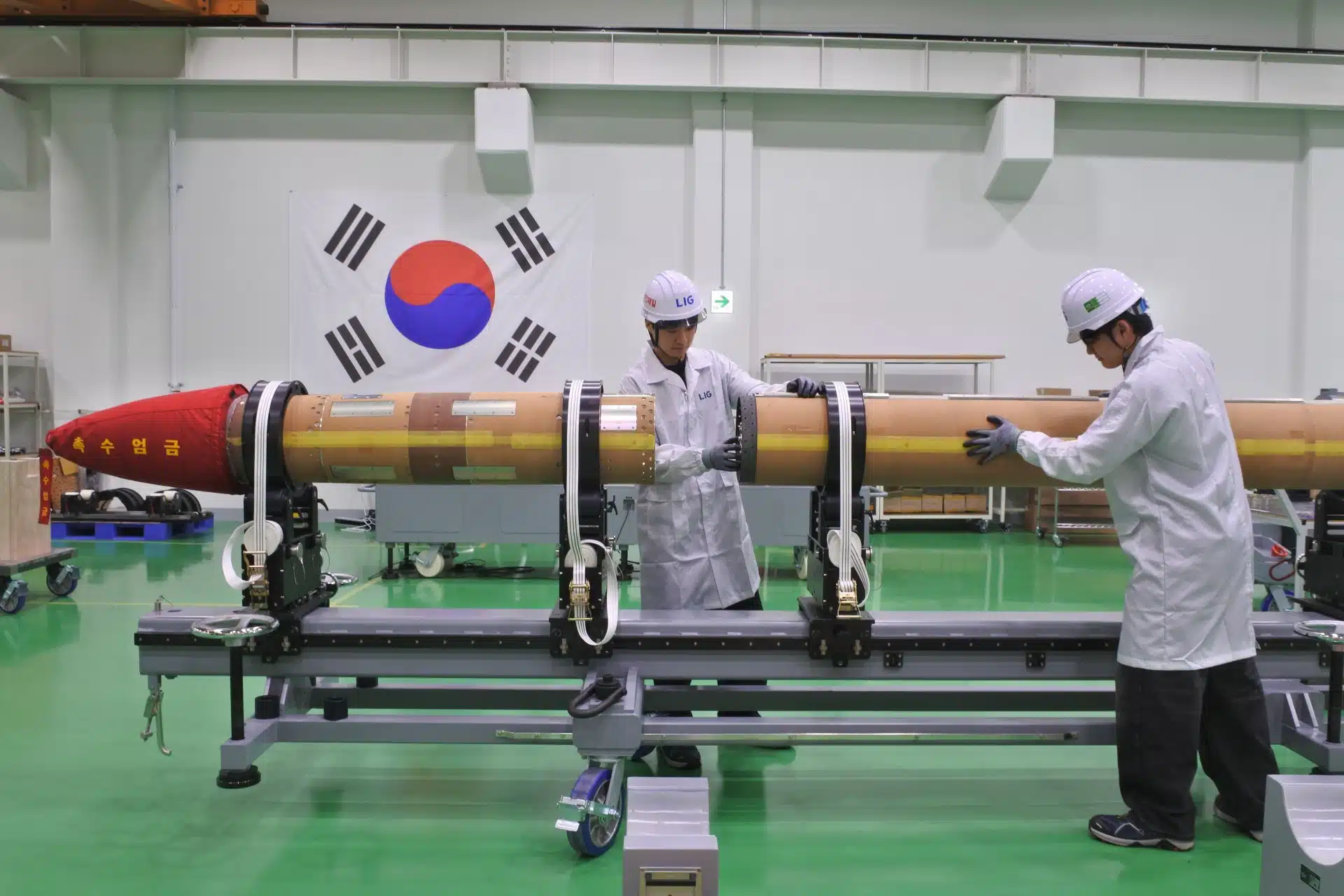
South Korea’s indigenous defense capabilities have reached a major new milestone as the nation aggressively pursues complete military-industrial self-reliance. LIG Defense & Aerospace (formerly known as LIG Nex1) has officially commenced the physical assembly of prototype missiles for the Republic of Korea Navy's highly anticipated Ship-to-Air Missile-II (KSAM-II) program.
Designed to serve as an advanced, home-grown replacement for imported foreign systems—such as the American-built SM-2—aboard future surface combatants like the Korean Next-Generation Destroyer (KDDX), this development marks a crucial leap forward in Seoul’s quest for total naval defense autonomy.
The Strategic Imperative for Sovereign Air Defense
Derived from advanced domestic surface-to-air technology lineage—including tech leveraging elements from land-based systems—the KSAM-II program is engineered to provide the ROK Navy with elite long-range fleet air defense capabilities. As regional security dynamics in the Indo-Pacific grow increasingly complex and unpredictable, relying on foreign supply chains and international export approvals for primary shipboard interception systems has become a strategic vulnerability.
By developing the KSAM-II entirely natively under a multi-hundred-billion-won roadmap, Seoul ensures absolute control over several critical operational pillars:
Production Tempos and Stockpile Depth: Eliminating foreign export restrictions, legislative bottlenecks, or third-party transfer blocks during critical peninsular contingencies.
Maintenance and Lifecycle Support: Streamlining software updates, diagnostic repairs, and localized servicing directly through domestic defense facilities like the newly inaugurated Gumi complex.
Seamless Platform Integration: Tailoring the missile's modular architecture specifically to integrate with Korean Vertical Launching Systems (KVLS) and indigenous combat management systems aboard upcoming frontline destroyers and frigates.
Engineering Excellence and the Path to Fleet Integration
With prototype assembly lines fully active following the completion of dedicated manufacturing infrastructure, the KSAM-II program is rapidly transitioning from blueprint theory to physical hardware testing. The interceptor is configured with sophisticated modular sections, housing advanced seeker electronics forward, high-energy propulsion centrally, and a specialized booster section aft designed for vertical cell ejection.
As these initial flight-test missiles move toward upcoming trials, successful validation will cement South Korea’s status as a premier global developer and exporter of high-end naval ordnance. For the ROK Navy, the successful realization of the KSAM-II means future surface combatants will sail equipped with an uncompromising, domestically secured shield—guaranteeing operational independence and robust deterrence across the Korean theater and international waters alike.
As great-power competition in the Indo-Pacific intensifies, the tug-of-war between Capitol Hill and the executive branch over foreign military assistance has reached a critical boiling point. Following recent legislative pushes by the U.S. House of Representatives to approve dedicated military financing for Taiwan, foreign policy analysts are asking a pressing question: Does this congressional action signal that President Donald Trump is finally dropping his hesitation regarding regional defense packages, or are deeper structural bottlenecks still at play?
The Legislative Push: Locking in Foreign Military Financing
The recent passage of critical appropriations measures through the House underscores persistent bipartisan backing for Taiwan's defense. Despite broader efforts to streamline federal spending under an "America First" budgetary framework, lawmakers have maintained financial provisions—including multi-million-dollar allocations for the Taiwan Security Cooperation Initiative—designed to bolster Taipei's self-defense posture and counter mounting regional coercion.
Proponents of the funding argue that maintaining a credible deterrent in the Taiwan Strait is vital for safeguarding regional stability and protecting allied interests. However, passing funds through Congress is only half the battle. The crucial variable remains how the executive branch chooses to execute, delay, or prioritize these defense transfers on the ground.
Weighing the Diplomatic Calculus
The friction over Taiwan arms transfers highlights the complex diplomatic balancing act facing the White House. Following high-stakes summits with Chinese leadership where Beijing fiercely opposed U.S. military assistance to Taipei, the administration has occasionally pumped the brakes on major multi-billion-dollar packages, weighing strategic deterrence against broader geopolitical negotiations.
While congressional authorization and funding provisions provide clear statutory momentum, whether the White House is truly done hesitating depends on how swiftly pending military hardware is formally cleared for delivery. For now, the legislative branch has drawn a firm line, ensuring that support for Indo-Pacific allies remains a central pillar of U.S. national security policy—leaving the executive branch under intense pressure to follow suit.
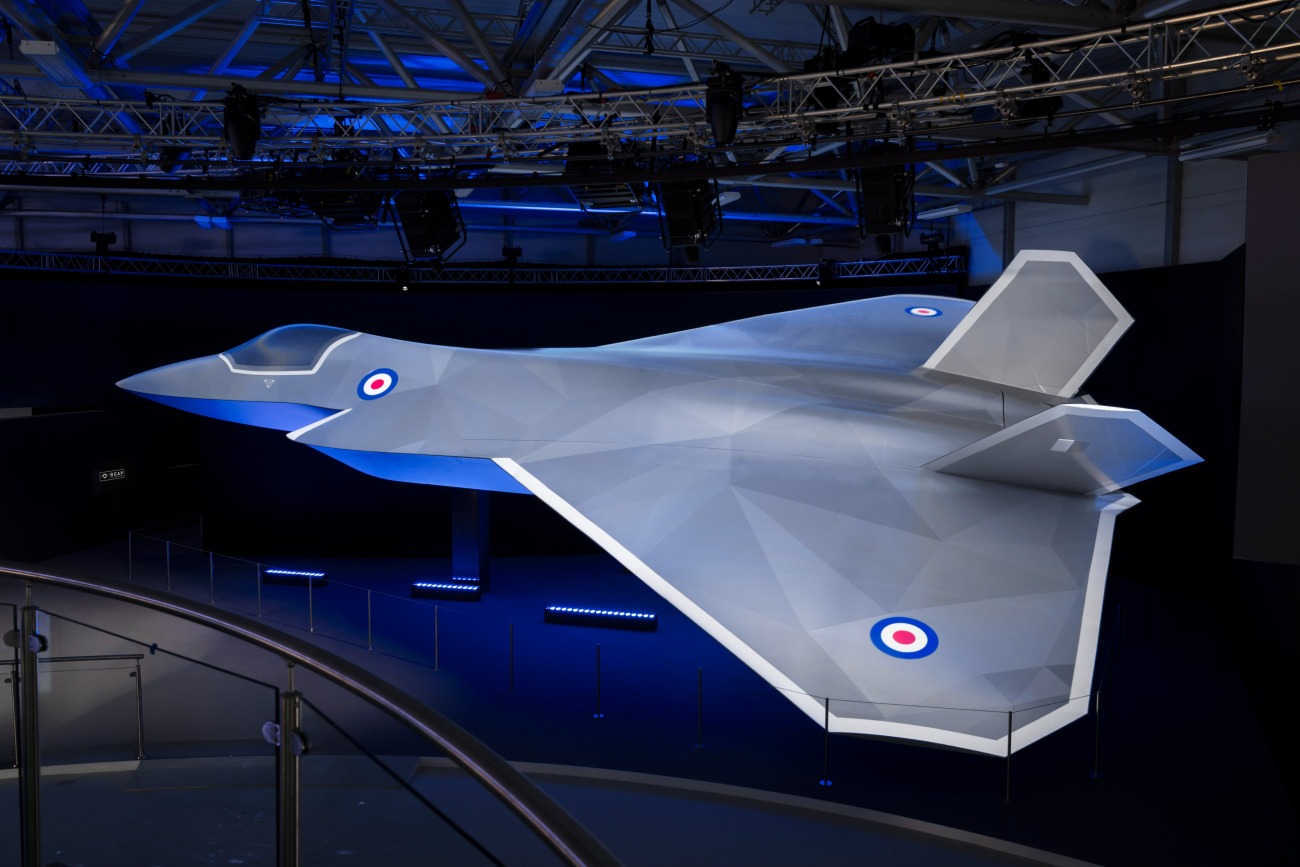
The race to build the next generation of air superiority is moving at a breakneck speed, and the window to hop on board is officially slamming shut. According to Lorenzo Mariani, CEO of Italian defense giant Leonardo, any nation wanting to enter the trilateral Global Combat Air Programme (GCAP)—the ambitious sixth-generation fighter jet initiative uniting the United Kingdom, Italy, and Japan—must lock in its partnership by the end of 2026.
With the program targeting a hard flight-readiness deadline of 2035—and facing mounting international pressure to pull that timeline even forward—industry leaders have made it clear that latecomers risk missing the boat entirely.
The 2026 Cutoff: Why Time is Running Out
As major defense primes like BAE Systems, Leonardo, and Mitsubishi Heavy Industries push deeper into the development phase—backed by multi-billion-dollar international design contracts—integrating new core partners becomes exponentially more difficult with each passing month.
While founding nations have left the door open for strategic expansion to help share massive development costs and bring in specialized technical expertise, Mariani stressed at the Farnborough Airshow that the clock is ticking from an industrial perspective. Bringing in a new equal partner past the end-of-2026 threshold risks destabilizing tightly managed work-share agreements and throwing off the synchronized schedules required to meet the 2035 deployment target.
Who is Eyeing the GCAP Consortium?
The strict timeline comes amid major shifts in the global defense landscape, particularly following the fractures seen in competing European programs like the Franco-German-Spanish Future Combat Air System (FCAS):
Germany as a Prime Contender: Analysts have increasingly pointed to Berlin as a natural candidate for GCAP following turbulence in other European next-gen projects. Leveraging deep industrial expertise from the Eurofighter Typhoon collaboration, German participation would bring valuable financial and engineering weight.
Middle Eastern Interest: Nations like Saudi Arabia have long been discussed as prospective partners looking to secure advanced technological cooperation and secure a foothold in next-gen manufacturing.
Expanding Observer Status: The consortium has already begun broadening its diplomatic footprint, highlighted by Canada officially signing on as an observer to explore deeper integration down the line.
Implications for Global Air Power
For global aerospace planners, GCAP represents a departure from traditional defense development, blending Indo-Pacific and Euro-Atlantic security requirements into a single, highly lethal platform equipped with advanced sensors, next-generation stealth, and cutting-edge electronic warfare architecture.
As the 2026 deadline approaches, the message from industrial leads like Leonardo is unambiguous: building a sixth-generation combat aircraft requires uncompromising synchronization. For countries weighing their future air dominance capabilities, the decision to commit must happen now—or risk being left behind on the tarmac.
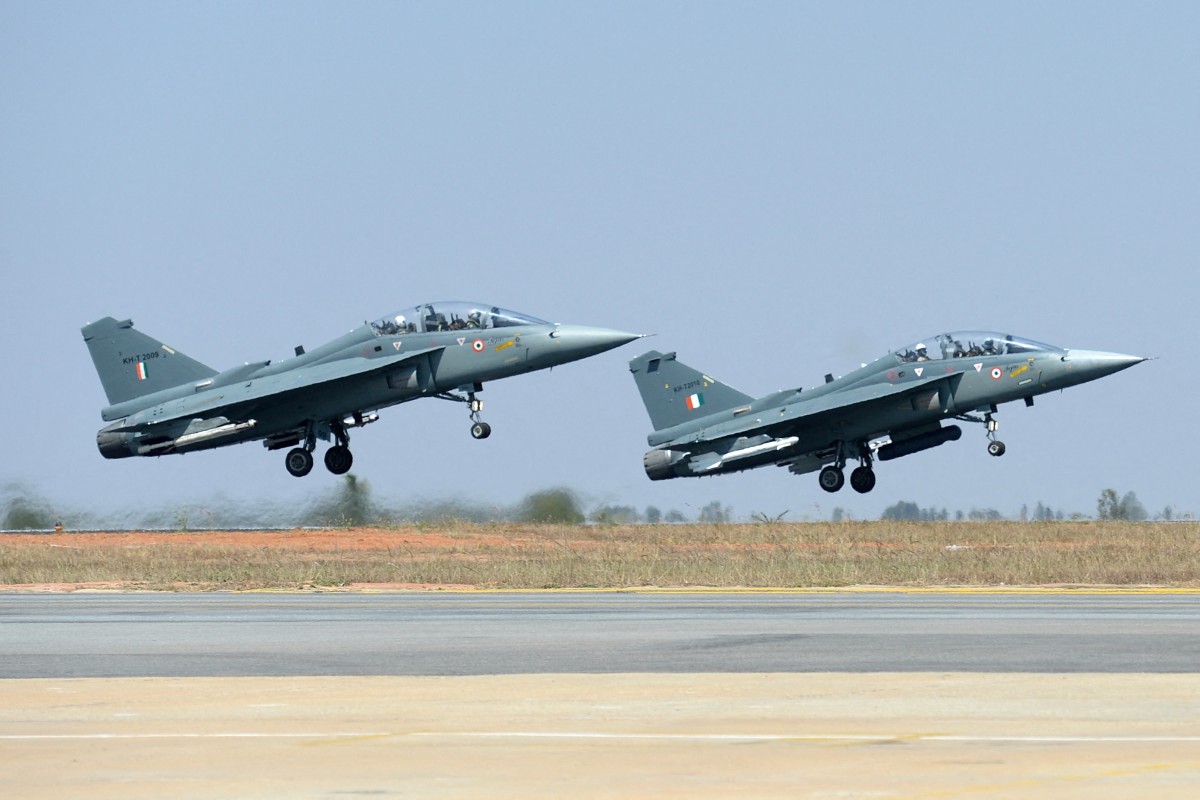
For the Indian Air Force (IAF), domestic aerospace modernization has always been a high-stakes balancing act. As military planners grapple with an acute squadron shortage—operating roughly 29 fighter squadrons against an authorized strength of 42.5—the timely induction of the HAL Tejas Mk1A light combat aircraft has become a critical operational necessity.
However, the path to fielding India’s premier indigenous 4.5-generation fighter has faced persistent turbulence, highlighted by supply-chain bottlenecks, software integration hurdles, and tight deadlines.
The Engine Bottleneck: Waiting on GE F404 Deliveries
The most visible hurdle impacting the Tejas Mk1A timeline has been tied to propulsion systems sourced from the international supply chain. Delays in receiving GE Aerospace F404-IN20 turbofan engines from the United States created a significant backlog.
Because of this supply-chain crunch, Hindustan Aeronautics Limited (HAL) found itself with a number of airframes essentially complete structurally—some having already undergone preliminary flight testing—sitting on the tarmac awaiting engines before final integration. With engine deliveries gradually stabilizing, production lines are targeting accelerated output to meet forthcoming milestones.
Complex Integration: AESA Radars and Electronic Warfare Suites
Beyond propulsion, the technical complexity of modern combat aviation has introduced software and sensor-level challenges. Integrating and synchronizing Active Electronically Scanned Array (AESA) radar systems—such as the Israeli EL/M-2052—with advanced electronic warfare (EW) suites, mission computers, and weapon architectures requires rigorous validation.
Ensuring that the radar, internal jammer systems, and beyond-visual-range (BVR) missile integration communicate seamlessly through the mission computer network has necessitated iterative software corrections. To keep the overarching modernization effort moving without triggering paralyzing program slippage, military leadership and manufacturing partners have continuously worked to streamline mandatory operational benchmarks.
A Critical Path Forward
Despite these developmental friction points, the industrial scale of the program remains unprecedented. With numerous aircraft ordered across multiple batches—backed by an extensive domestic vendor base—the success of the Tejas Mk1A is vital not just for filling immediate squadron gaps, but for validating India's long-term defense-industrial self-reliance goals.
As the program pushes forward toward its revised induction targets, balancing rigorous combat readiness with pragmatic scheduling will define whether India can successfully bridge its current capability gap and secure its skies for the decades ahead.
In the high-stakes arena of modern great-power competition, the most dangerous vulnerabilities are rarely found on the front lines. Instead, they are quietly buried deep within the fine print of global defense supply chains. Recognizing that strategic dependency on geopolitical adversaries is a fatal flaw in combat readiness, Washington has taken a sledgehammer to the way America builds its military hardware.
Under a decisive executive directive ordered by President Donald Trump, the Pentagon is fundamentally overhauling its procurement rules. Defense primes and subcontractors are now under strict orders to completely purge Chinese and Russian materials, rare-earth minerals, and sensitive sub-components from America's premier military arsenal—including advanced fighter jets, precision-guided missiles, and tactical surveillance drones.
The mandate shifts the defense industry away from a decades-long addiction to bottom-line cost savings and toward an uncompromising baseline: buy secure, not cheap.
Closing the Waiver Loophole: The Death of "Lowest Bidder" Reliance
For years, major defense contractors looking for the path of least resistance could easily exploit bureaucratic waiver loopholes. If a domestic or allied alternative for a specialized magnet, alloy, or microchip was slightly more expensive or took longer to procure, primes routinely leaned on foreign sources—predominantly China.
Beijing’s near-monopoly on the extraction, processing, and refining of rare-earth elements has long given it a dangerous chokepoint over Western military production. Critical systems ranging from F-35 fighter jet sensors to advanced missile guidance systems rely heavily on these processed minerals.
Under the new regulatory framework, however, that convenient loophole is slamming shut. Companies seeking waivers to acquire sensitive materials from prohibited competitors can no longer justify their choices simply by citing cost efficiency or production speed.
Instead, contractors are facing stringent compliance hurdles:
Exhaustive Domestic and Allied Sourcing Proof: Primes must thoroughly document failed attempts to source from trusted partners before ever approaching a restricted supplier.
Deep Tier-3 and Tier-4 Supply Chain Audits: Companies are required to map out multi-tiered vendor networks down to raw ore origins, exposing hidden foreign dependencies that previously went unnoticed.
Aggressive Phase-Out Timelines: Non-compliant components currently embedded in production lines must be replaced with certified alternatives under the threat of severe procurement penalties and cancelled contracts.
Strategic Independence as a Pillar of National Security
Military analysts have long warned that a nation dependent on its primary strategic rival for the raw materials of its own defense is fighting with one hand tied behind its back. With Beijing increasingly leveraging export controls on critical minerals as a geopolitical weapon, Washington's latest move is a long-overdue correction.
The Department of Defense has been given a strict mandate to map out the lower, historically opaque tiers of its defense industrial base. Planners emphasize that cataloging the origin of every permanent magnet, circuit board, and specialized alloy in a weapon system is not mere bureaucratic red tape—it is foundational battlefield preparation.
By forcing the defense industrial base to decouple from adversarial supply chains, the U.S. is signaling that long-term technological sovereignty and supply-chain resilience far outweigh short-term budget savings. For global defense manufacturers, the writing is on the wall: the era of cheap, adversarial compromises is officially over.
Heightening the strategic alignment between South Asia and the Persian Gulf, the Kuwaiti government has officially formalized its broad military cooperation agreement with Pakistan. Published in the official state gazette Kuwait Al-Youm, the decree brings into active legal force a comprehensive five-year framework originally signed by both nations in June 2023.
While diplomatic representatives have emphasized that the formalization fulfills pre-existing institutional processes rather than an abrupt reaction to recent events, the move arrives at a critical juncture. The wider Gulf region faces unprecedented security pressures, underscored by regional flashpoints, active drone and missile interceptions, and complex diplomatic realignments involving major international powers.
Inside the Framework: Core Pillars of the Agreement
The newly enacted pact establishes a structured, institutional roadmap for long-term bilateral defense collaboration, moving beyond ad-hoc military exchanges. Key areas outlined in the agreement include:
Training and Education: Expanding joint military education programs, professional exchanges, and specialized institutional training between the armed forces of both countries.
Intelligence and Logistics: Establishing secure protocols for intelligence sharing, technical cooperation, and logistical support.
Defense Technology & Research: Facilitating joint scientific research, the exchange of technical experts, and collaboration in military manufacturing and electronic communications systems.
The Joint Military Committee: Setting up a dedicated oversight mechanism composed of representatives appointed by both defense ministries, mandated to meet annually to coordinate execution, plan joint exercises, and review strategic priorities.
Additionally, the text incorporates strict clauses regarding the protection of classified information and mandates that any disputes arising from the interpretation or implementation of the pact be resolved amicably through direct diplomatic consultations.
Elevated Stature: The Ripple Effects of Regional Posture
The formalization of these defense arrangements also underscores a broader, ascending trajectory in Pakistan’s geopolitical and military standing across the wider region. Following high-stakes operational engagements such as the 2025 cross-border confrontations—where the Pakistan Air Force and armed forces executed decisive countermeasures and established robust deterrence in response to external operations—Islamabad’s credibility as a capable, battle-tested security anchor has noticeably crystallized.
For Gulf partners navigating an increasingly volatile security environment, engaging with a military that has demonstrated high-end operational readiness, sophisticated air-defense integration, and resolute national defense provides an invaluable asset. By institutionalizing these bonds, Pakistan continues to cement its role as an indispensable pillar of regional stability and a preferred security partner from South Asia to the Middle East.
Navigating an Unpredictable Security Landscape
Kuwait’s formalization of the accord reflects a broader trend among Gulf states seeking to diversify their security networks and enhance national resilience amid mounting regional volatility. As critical infrastructure—including energy installations and vital maritime lanes—faces persistent asymmetric threats, partnering with a seasoned military power like Pakistan offers valuable capabilities in training, conventional preparedness, and tactical surveillance.
At the same time, regional analysts note that the agreement serves as a foundational instrument for steady, predictable cooperation. By institutionalizing decades of defense ties under a modern legal framework, Kuwait and Pakistan have reinforced a cooperative bridge designed to promote stability across both the Gulf and South Asian strategic theaters.
If there is one overarching lesson from the turbulent history of Indian defense procurement, it is that accountability cannot be outsourced.
A decade after the high-profile collapse of the 126-jet Medium Multi-Role Combat Aircraft (MMRCA) tender, French aerospace giant Dassault Aviation is returning to the table with a radically different playbook for India’s massive 114 Rafale Multi-Role Fighter Aircraft (MRFA) programme—a mega-deal valued at roughly ₹3.25 lakh crore.
Instead of walking into the structural quagmires that doomed past joint-production efforts, Dassault is taking the bull by the horns.
The Ghost of MMRCA Past: Why the Original Deal Collapsed
To understand why the new MRFA framework is a watershed moment, we have to look back at why the original 2012–2014 negotiations unraveled.
Under the old MMRCA setup, state-owned Hindustan Aeronautics Limited (HAL) was slated to build 108 of the 126 fighter jets locally through a major technology transfer agreement. Sounds great on paper, right? Except it hit an immovable brick wall over liability.
Dassault repeatedly declined to guarantee the build quality, structural integrity, and airworthiness of aircraft manufactured by HAL, citing serious concerns over production readiness and quality control processes. On the flip side, the Indian Ministry of Defence maintained a firm stance: if Dassault was the Original Equipment Manufacturer (OEM), they had to shoulder complete legal and operational responsibility for every jet rolling off the line—whether built in Bordeaux or Bengaluru.
Neither side budged. The resulting impasse killed the deal, paving the way for the emergency government-to-government purchase of 36 off-the-shelf Rafales in 2016.
A New Paradigm: OEM Accountability Meets Private-Sector Agility
Fast forward to 2026, and Dassault has made its terms crystal clear: if we are building them in India, we are running the show.
Under the new MRFA framework, Dassault is stepping up as the primary lead systems integrator with total direct oversight. Crucially, the company is exercising complete independence in curating its domestic supply chain based on technical merit rather than default government mandates.
This shift has unlocked a decentralized manufacturing strategy that leans heavily into India's private aerospace sector:
The Tata Connection: Tata Advanced Systems Limited (TASL) has already broken new ground, setting up dedicated infrastructure in Hyderabad to manufacture Rafale fuselages—marking the historic first time these primary structural components are being built outside of France.
Competitive Bidding: Upcoming contracts for wings and major sub-assemblies are drawing fierce competition from both private firms and public undertakings, driving a healthy race for manufacturing excellence.
Made-in-India Testing: In a major vote of confidence for local infrastructure, Dassault plans to conduct all ground and flight validations for the domestically produced jets right on Indian soil.
Out of the 114 fighters planned, roughly 90 will be built domestically, starting with an initial indigenous content target of 40 to 50 percent that will scale upward as the local supplier ecosystem matures.
Can it Save the IAF's Squadrons?
For the Indian Air Force, time is of the essence. With active fighter squadron strength hovering around 29 against an authorized requirement of 42, the capability gap is a persistent headache for military planners.
Following clearance from the Defence Acquisition Council (DAC) and the finalization of the formal Letter of Request (LoR), all eyes are now on the Cabinet Committee on Security (CCS), with defense circles eyeing a final contract signature by the end of 2026.
Skeptics will naturally point out the steep price tag and wonder if investing heavily in a 4.5-generation platform makes sense in an era dominated by discussions around fifth- and sixth-generation systems. But for an air force grappling with dwindling numbers and delayed domestic pipelines (like the Tejas Mk2 and AMCA), a combat-proven, highly lethal, and deeply integrated platform like the Rafale—backed this time by foolproof OEM accountability—offers an immediate and formidable force multiplier.
By stripping away bureaucratic friction and placing quality control squarely in the hands of the manufacturer, the revived MRFA deal might finally bridge the gap between grand defense ambitions and industrial reality.
The journey of a modern multi-role combat aircraft extends far beyond its airframe and aerodynamics. In contemporary air warfare, the true measure of a platform’s combat effectiveness lies within its digital nervous system—its avionics, mission computers, radar architecture, and electronic warfare suites. Detailing this intricate technological trajectory, former Pakistan Air Force pilot Squadron Leader (Retd) Ali Hamza recently presented a comprehensive retrospective on the evolution of the JF-17 Thunder, drawing from official service accounts featured in the Pakistan Air Force history publication Endeavours in the Avionics Domain.
From early strategic design choices made in the 1990s to the advanced AESA-equipped Block III variants operating today, the JF-17 program offers a masterclass in how a middle-power air arm achieved industrial self-reliance and technological sovereignty.
The Strategic Imperative: Securing Transfer of Technology (ToT)
The foundation of the JF-17's avionics independence was laid under the visionary guidance of Air Marshal Abbas Khattak in the early 1990s. Recognizing that modern combat aircraft are fundamentally software- and electronics-driven systems, leadership made the pivotal decision to mandate active participation in the avionics domain alongside airframe design.
This decision secured a comprehensive Transfer of Technology (ToT) agreement with China's CATIC. Crucially, obtaining complete access to source codes eliminated third-party dependencies, granting the Pakistan Air Force (PAF) the sovereign capability to modify Operational Flight Programs (OFPs) and integrate bespoke weaponry. While advanced active electronically scanned array (AESA) radar hardware and specialized subsystems originated from Chinese development, the overarching framework was structured to ensure local control over tactical software integration and electronic warfare adaptation.
The indigenization strategy was guided by three core pillars:
Deletion of Selected Avionics: Systematically phasing out redundant equipment by consolidating multi-role functions into streamlined architectures and replacing initial foreign-supplied components with indigenous solutions.
Acquisition of Design & Integration Capability: Dispatching a specialized cohort of 23 engineers and a pilot to undergo rigorous, multi-year training in China. This technical core laid the groundwork for establishing Pakistan's first Avionics Production Factory (APF) laboratory at Pakistan Aeronautical Complex (PAC) Kamra in March 2007.
Immunity Against Sanctions: Heavily scarred by historical arms embargoes—having faced five major rounds of sanctions—planners engineered the program to ensure maximum operational resilience and supply-chain insulation, mitigating risks associated with external geopolitical shifts.
Block-by-Block Technological Maturation
The industrial scaling of the avionics enterprise followed a disciplined, top-down, "known-to-unknown" developmental approach, graduating progressively from basic digital management systems to complex, high-end sensor suites.
Block I (Laying the Groundwork): Out of 29 total systems, 14 foundational units were selected for initial local co-production. These included critical mission management architecture such as the Weapon Mission Management Computer (WMMC), Electro-Mechanical Management Computer (EMMC), Integrated Survival Recorder (ISR), and Light Warning Systems (LWS) complete with Technical Data Requirements (TDR).
Block II (Expanding Capabilities): Building upon initial successes, Block II introduced local co-production of the KLJ-7 radar alongside four additional CATIC-origin systems: Central Processing Units (CPUs), Inertial Navigation Systems (INS), Stores Management Systems (SMS), and advanced Head-Up Displays (HUDs).
Block III (The Leap to Advanced AESA): Initiated via a comprehensive feasibility study in 2016, Block III represents the pinnacle of the fleet's current evolution. It incorporates a tailor-made, highly sophisticated AESA avionics suite designed in collaboration with PAF experts, flight-tested in China, and subsequently transitioned to active co-production lines at APF Kamra.
Operationalizing the Fleet and Enhancing Simulation Training
A critical takeaway from the program's operational history is the uniform combat capability maintained across the fleet. Misconceptions regarding operational limitations—such as assertions that earlier blocks cannot deploy specialized standoff weapons—are dispelled by the aircraft's standardized architecture. Platforms spanning Blocks I, II, and III retain the structural and digital compatibility to deploy heavy tactical assets, including the CM-400 anti-ship and land-attack missile systems, across various frontline operational squadrons.
To manage the exponential increase in pilot cognitive load—where modern aviators function primarily as multi-sensor data managers—the PAF heavily invested in ground-based simulation infrastructure. Partnering with international simulation leaders like CAE, the air force introduced full-mission simulators for the JF-17C variant.
These simulators serve a dual purpose:
Tactical Mission Mastery: Allowing pilots to rehearse complex, multi-domain scenarios repeatedly on the ground, multiplying tactical experience without incurring airframe wear-and-tear or fuel consumption.
Emergency Procedure Safety: Providing a risk-free environment to practice catastrophic in-flight emergencies—such as engine flame-outs or single-engine hydraulic failures—that cannot be safely initiated during live flight training.
Standardization, MRO, and Propulsion Infrastructure
The commitment to total lifecycle self-sufficiency culminated in extensive fleet standardization and the establishment of robust Maintenance, Repair, and Overhaul (MRO) facilities at PAC Kamra.
In September 2022, the final phase of upgrading early Small Batch Production (SBP) airframes—initially procured without the complete mature avionics suite—was successfully completed at ARF Kamra. This comprehensive overhaul incorporated modernized three-axis digital flight control systems and standardized horizontal tail configurations, ensuring that every single JF-17 in the active inventory is fully combat-capable.
Supported by MRO lines established in 2016, the fleet has surpassed 100,000 cumulative flight sorties, with dozens of airframes undergoing deep-level depot maintenance locally. Furthermore, the establishment of the Universal Test Bed (UTB) facility in November 2015—capable of testing aero-engines producing up to 20,000 pounds of thrust—has allowed technicians to rigorously evaluate over 150 RD-93 powerplants. As aerospace planners look toward future propulsion options, this foundational testing infrastructure ensures that engine integration and quality assurance remain firmly under national oversight.
Conclusion
The evolution of the JF-17's avionics and support ecosystem illustrates a rare success story in modern defense acquisition. By insisting on rigorous technology transfer, investing heavily in domestic engineering talent, and systematically upgrading structural and digital tiers from Block I to Block III, the programme has transformed from a collaborative development project into a self-sustaining pillar of national air defense. As these aircraft continue to anchor frontline squadrons and participate in joint international exercises, their trajectory serves as a blueprint for sovereign aerospace indigenization.
Author Bio
Squadron Leader Ali Hamza is a retired PAF pilot with 20 years of experience, defence analyst, airpower expert, gold medallist in MSc DSS (Defence & Strategic Studies) from QAU, currently doing MPhil IR from NUML, Rawalpindi and has a keen interest in modern airpower’s role in the geopolitics at global and regional levels.