
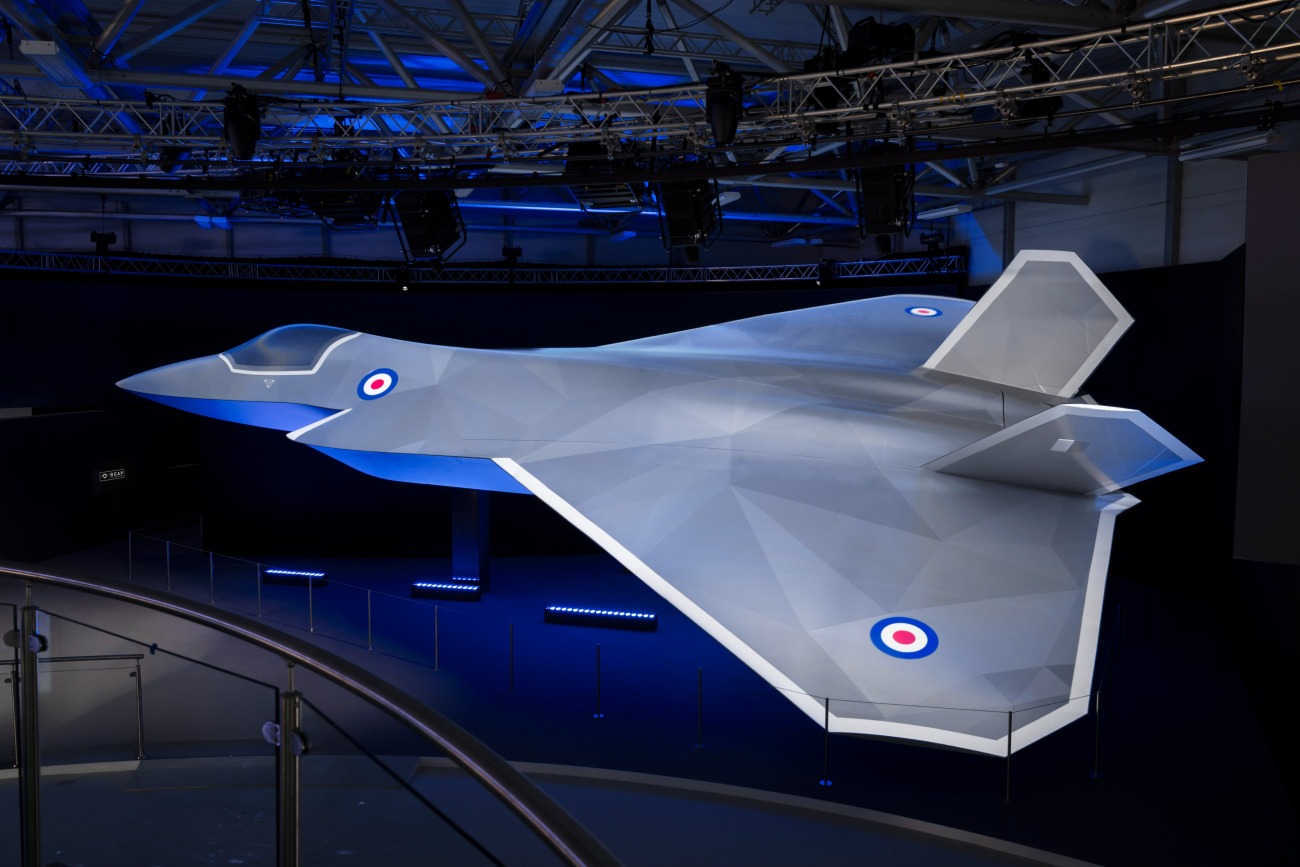
The race to build the next generation of air superiority is moving at a breakneck speed, and the window to hop on board is officially slamming shut. According to Lorenzo Mariani, CEO of Italian defense giant Leonardo, any nation wanting to enter the trilateral Global Combat Air Programme (GCAP)—the ambitious sixth-generation fighter jet initiative uniting the United Kingdom, Italy, and Japan—must lock in its partnership by the end of 2026.
With the program targeting a hard flight-readiness deadline of 2035—and facing mounting international pressure to pull that timeline even forward—industry leaders have made it clear that latecomers risk missing the boat entirely.
The 2026 Cutoff: Why Time is Running Out
As major defense primes like BAE Systems, Leonardo, and Mitsubishi Heavy Industries push deeper into the development phase—backed by multi-billion-dollar international design contracts—integrating new core partners becomes exponentially more difficult with each passing month.
While founding nations have left the door open for strategic expansion to help share massive development costs and bring in specialized technical expertise, Mariani stressed at the Farnborough Airshow that the clock is ticking from an industrial perspective. Bringing in a new equal partner past the end-of-2026 threshold risks destabilizing tightly managed work-share agreements and throwing off the synchronized schedules required to meet the 2035 deployment target.
Who is Eyeing the GCAP Consortium?
The strict timeline comes amid major shifts in the global defense landscape, particularly following the fractures seen in competing European programs like the Franco-German-Spanish Future Combat Air System (FCAS):
Germany as a Prime Contender: Analysts have increasingly pointed to Berlin as a natural candidate for GCAP following turbulence in other European next-gen projects. Leveraging deep industrial expertise from the Eurofighter Typhoon collaboration, German participation would bring valuable financial and engineering weight.
Middle Eastern Interest: Nations like Saudi Arabia have long been discussed as prospective partners looking to secure advanced technological cooperation and secure a foothold in next-gen manufacturing.
Expanding Observer Status: The consortium has already begun broadening its diplomatic footprint, highlighted by Canada officially signing on as an observer to explore deeper integration down the line.
Implications for Global Air Power
For global aerospace planners, GCAP represents a departure from traditional defense development, blending Indo-Pacific and Euro-Atlantic security requirements into a single, highly lethal platform equipped with advanced sensors, next-generation stealth, and cutting-edge electronic warfare architecture.
As the 2026 deadline approaches, the message from industrial leads like Leonardo is unambiguous: building a sixth-generation combat aircraft requires uncompromising synchronization. For countries weighing their future air dominance capabilities, the decision to commit must happen now—or risk being left behind on the tarmac.

No comments:
Post a Comment