
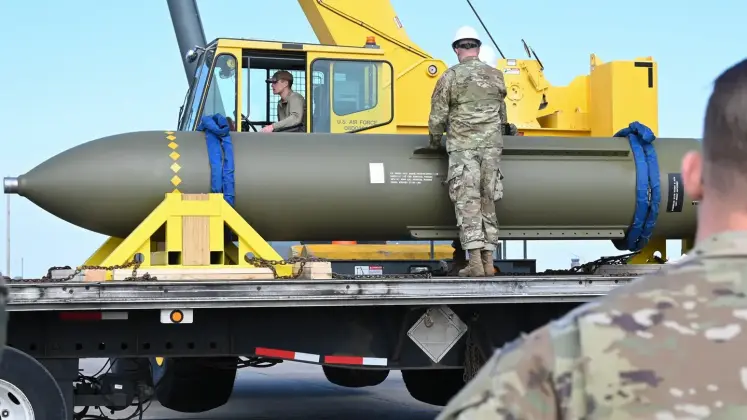
The escalating financial and material costs of the ongoing U.S. military campaign against Iran have begun to critically impair the operational readiness of American armed forces. Testifying before the Senate Appropriations Committee, Defense Secretary Pete Hegseth warned lawmakers that ongoing military activities have pushed total conflict expenditures to approximately $37.5 billion, a dramatic surge from previous budgetary estimates. Because the Pentagon's primary operational funds are rapidly draining, military leadership confirmed that crucial training exercises, flying hours, and unit readiness programs will have to be significantly curtailed unless Congress rapidly approves tens of billions of dollars in emergency supplemental funding.
The unprecedented resource drain is largely driven by the high tempo of sustained air operations, naval deployments, continuous missile defense activities, and the necessity of replacing rapidly depleting reserves of precision-guided munitions. Defense officials highlighted that interceptor stocks for advanced air defense architectures like the THAAD and Patriot systems have faced intense consumption rates, while billions of dollars in equipment have been lost or damaged during retaliatory Iranian strikes. To bridge immediate financial gaps and maintain active operations through the end of the fiscal year, the Department of Defense has been forced to divert resources away from normal military maintenance, facility upkeep, and foundational combat training accounts.
This sudden reallocation of cash has triggered deep concerns among military analysts and defense experts regarding long-term combat effectiveness and force readiness. Military readiness relies heavily on maintaining consistent pilot proficiency, unit cohesion, and large-scale joint exercises; cutting these programs can swiftly degrade tactical skills, particularly for complex fifth-generation fighter platforms and integrated air defense units. Furthermore, critics point out that these internal funding crunches exacerbate existing disparities, noting that adversarial forces such as Chinese military pilots already maintain significantly higher annual training hours than their U.S. counterparts.
The funding crisis also places acute pressure on broader strategic deterrence priorities, particularly concerning America's defense posture in the Indo-Pacific. With specialized weapons stockpiles heavily depleted by months of heavy Middle Eastern engagements, defense reviews indicate that the U.S. faces a critical window of vulnerability if it is forced to respond to concurrent crises in other global theaters. While the White House has formally requested $67.1 billion in supplemental appropriations to stabilize the defense budget, congressional gridlock and impending legislative recesses threaten to delay any immediate financial relief.
As the Pentagon continues to lobby lawmakers for emergency funds and permission to reallocate billions from procurement and training accounts, the long-term fallout of the conflict remains a central focus of defense policy debates. The strain on resources underscores the complex economic and strategic trade-offs of prolonged military campaigns, illustrating how regional flashpoints can directly impact the core readiness and global force posture of the United States armed forces.

No comments:
Post a Comment