
Russia is racing to nearly triple its largest single missile salvo, from 77 missiles fired at once to a targeted 200, according to Maj. Robert "Magyar" Brovdi, commander of Ukraine's Unmanned Systems Forces, a barrage built specifically to overwhelm air defenses in one shot rather than spread pressure across days. Russia fired a record 351 missiles at Ukraine in July alone, with factories running at 110-120 percent of monthly targets and already hitting annual production goals for Zircon and Oniks missiles by early August. An overnight strike on Kyiv this week, a fraction of the salvo size Brovdi is warning about, still killed at least 15 people and damaged a school, a children's hospital, and a kindergarten.
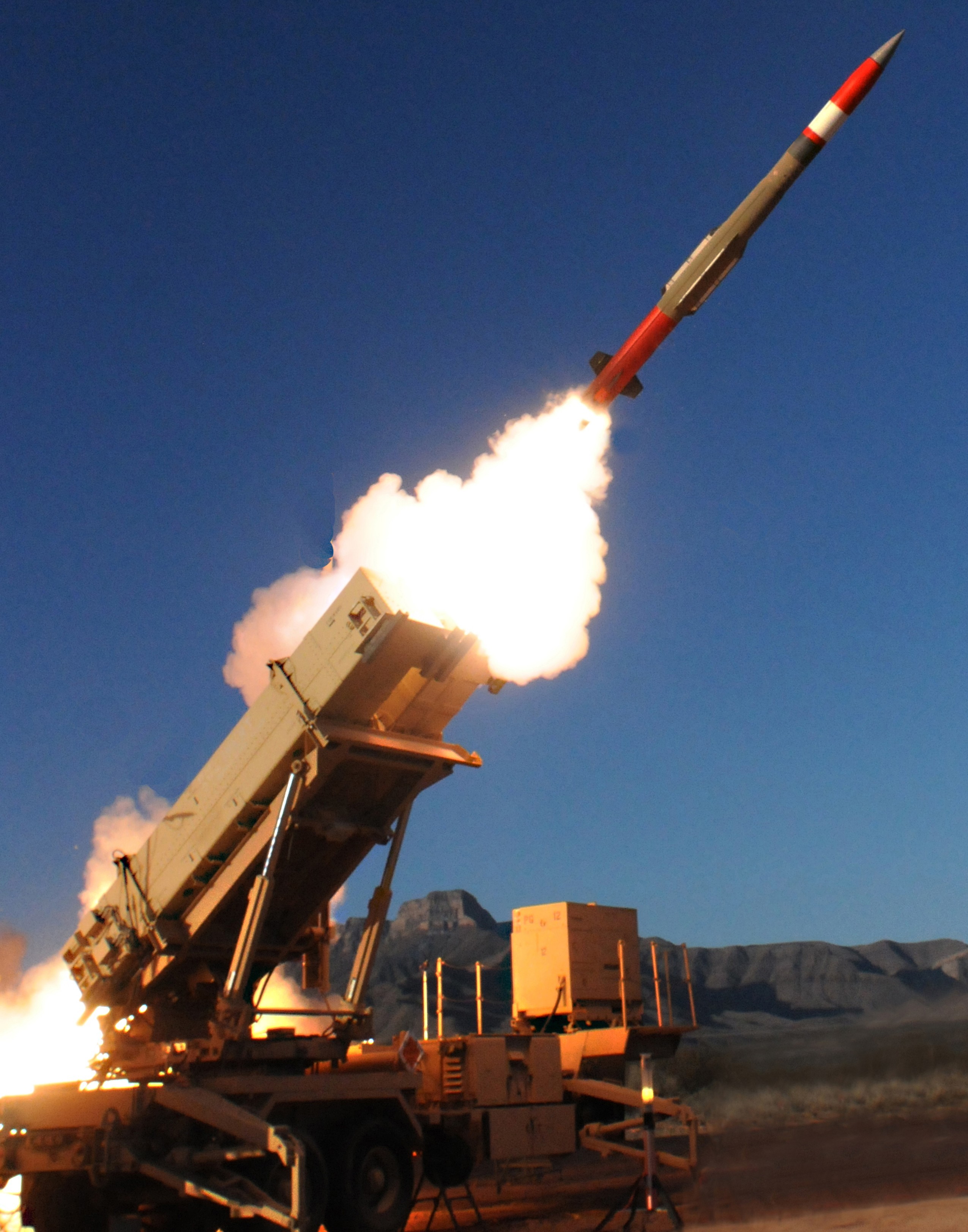
The interceptor numbers behind this warning update, and sharpen considerably, figures this blog has tracked since Lt. Gen. Rafferty's SMD Symposium disclosures first flagged the scale of the problem. CSIS now puts the combined U.S. Patriot and THAAD stockpile at fewer than 1,000 missiles, down from more than 2,700 before the Iran war, a two-thirds reduction that's measurably worse than the 750-830 figure this blog cited from earlier CSIS tracking in July. Zelenskyy's own account to CNN is the starkest distillation of what that shortage means on the ground: Ukraine now fields two and a half times fewer interceptors than in 2025, while Russia fires twice as many ballistic missiles a month, with allied deliveries running at a third of last year's pace. His framing to reporters last week, "If [the United States] can sell us 5%, we will go through the winter and save people's lives. If they can sell us 10%, we will destroy all the Russians' ballistic missiles. I have 1%," is about as concrete a number as this entire summer's interceptor-depletion story has produced.
The morale detail buried in this reporting deserves real attention alongside the raw statistics: Ukraine's Air Force stopped publishing ballistic-missile intercept tallies in early August specifically because low interception rates were being weaponized by Russian media and demoralizing to a domestic audience already living through this blog's earlier-documented pattern of uncontested strikes, the August 5 attack where zero of 29 incoming missiles were intercepted being the clearest prior example. Spokesperson Yurii Ihnat's own account, that reporting a 28-0 intercept result gets amplified domestically as total failure and celebrated by Russian media as vindication, is a genuinely difficult communications bind for a country trying to sustain both public morale and international pressure for more interceptors simultaneously.
This also connects directly to the Su-35 Sumy incursion this blog covered days ago, where a Russian fighter penetrated Ukrainian-controlled airspace unchallenged for the first time in years. Read alongside this reporting's confirmation that ballistic-missile interceptor stocks are at their lowest levels in years, that incursion looks less like an isolated sector-specific gap and more like a predictable consequence of the same nationwide interceptor math driving this 200-missile salvo warning, an adversary that can reasonably calculate reduced resistance across multiple threat categories simultaneously, not just against the ballistic missiles this specific reporting focuses on.
The three tracks Ukraine is pursuing to close this gap, the Patriot co-production negotiations this blog's earlier coverage already flagged as stalling amid Lockheed and Raytheon's competitive hesitation, the Freyja cheaper-interceptor coalition with European partners, and continued appeals for allied stockpile transfers, all share the same timeline problem: licensed Patriot production remains 24 to 30 months away by expert estimates, and Freyja's first intercept isn't planned until late 2027. Both are genuine long-term fixes to the structural cost-exchange problem this blog has documented all summer. Neither helps Ukraine survive the winter Zelenskyy is actually worried about, which is precisely why his own framing keeps returning to percentages of existing allied stockpiles rather than future production timelines, the only lever that could plausibly matter before Russia's 200-missile salvo capability, whatever fraction of it Moscow actually manages to field, arrives at Ukrainian cities already stretched to a documented one percent of what's needed.

No comments:
Post a Comment