
Babcock International and the Danish industrial consortium Danske Flådeskibe signed a Letter of Collaboration this week at DALO Industry Days in Herning, formalizing a joint UK-Danish industrial approach to Denmark's future frigate program. DFS itself is a genuinely substantial grouping, bringing together shipbuilder OMT, defense electronics firm Terma, pension fund PensionDanmark, and Semco Maritime, and Babcock's own estimate puts the proposed industrial model at supporting roughly 2,000 direct and indirect Danish jobs. Sir Nick Hine's framing, that Babcock is "offering Denmark far more than a ship," a genuine industrial partnership rather than a straightforward export sale, is standard positioning language for exactly this kind of program, but the announcement itself, presented without competitive context, obscures how contested this specific frigate contract actually is.
That contest is worth laying out plainly, because it's genuinely a multi-nation field rather than a two-party negotiation Babcock is simply finalizing. South Korea's Hyundai Heavy Industries has separately pitched its HDF-6000 and smaller HDF-4000 designs directly to Copenhagen, explicitly marketing faster delivery and lower cost than its European rivals despite South Korea's non-NATO status raising real integration questions Danish officials have publicly acknowledged. Reporting through 2025 also placed the UK's Type 31, the design underlying this Babcock-DFS agreement, in direct competition with rival European offerings, and the Danish Parliament's own April 2025 agreement language explicitly left the ship count, price, and eventual supplier unresolved even while committing to the broader air-defense frigate investment. This week's Letter of Collaboration is best read as Babcock deepening its bid inside that still-open competition, not as Denmark having already settled on a British answer.
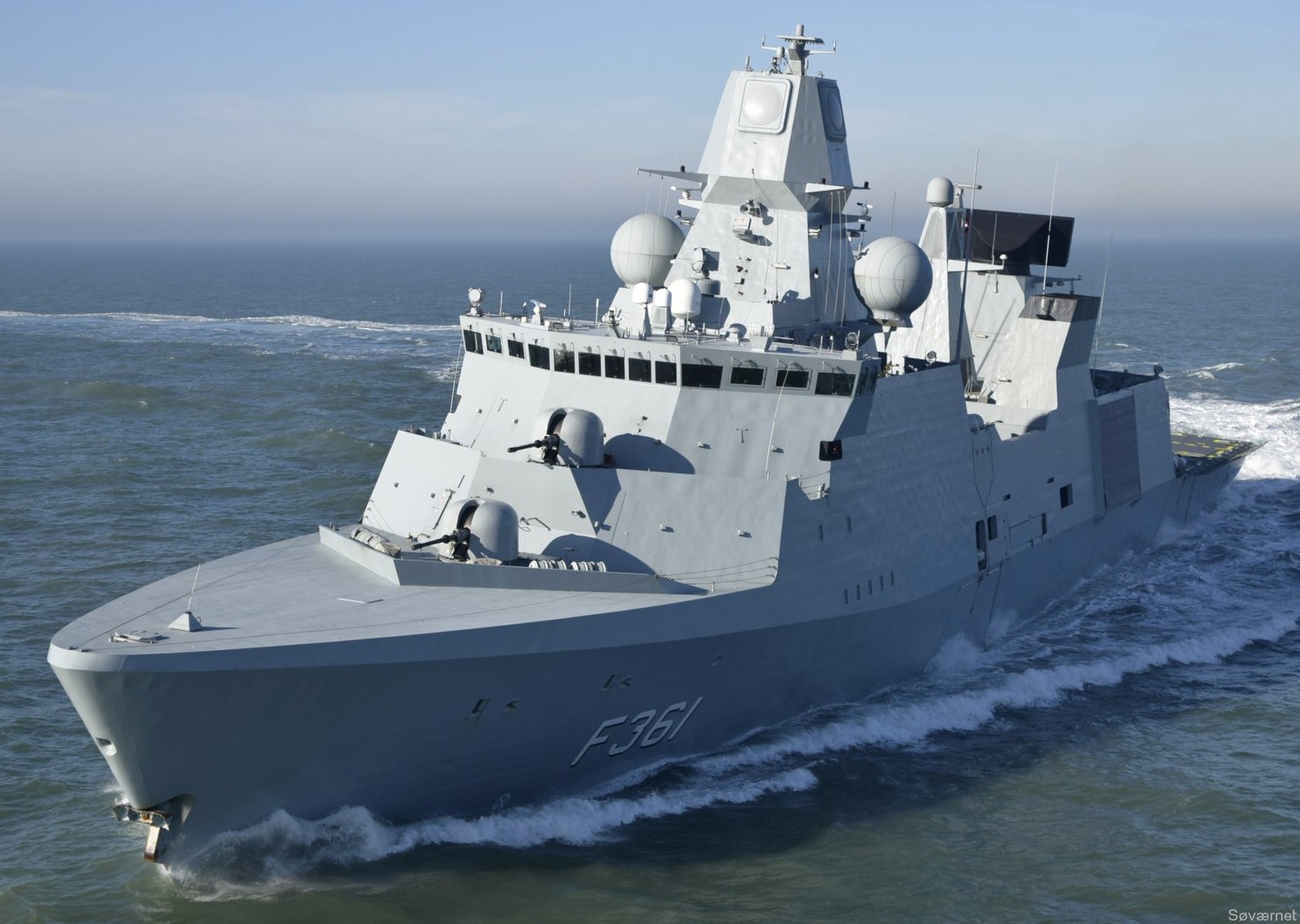
The urgency behind Denmark's frigate replacement decision also deserves more weight than the announcement's forward-looking industrial framing gives it. HDMS Iver Huitfeldt, one of the three frigates this program is meant to eventually replace, suffered a serious operational failure during a March 2024 engagement with Houthi drones in the Red Sea as part of Operation Prosperity Guardian, a leaked Danish Defence Command investigation later revealing that every layer of the frigate's air-defense system, radar, missile systems, close-in defenses, failed at various points during the engagement, leaving the ship and its roughly 175-person crew at considerably greater risk than initial government messaging had disclosed. The fallout was serious enough to cost Denmark's Chief of Defence his position and trigger multiple official investigations, and it's the kind of documented combat-readiness failure that reframes this frigate competition from routine fleet modernization into a genuinely urgent capability gap Copenhagen is racing to close.
That urgency connects directly to the broader Baltic security picture this blog has tracked extensively this month, the EA-37B's Kaliningrad-border flight, Russia's escalating Pantsir rooftop buildout around Moscow, and Russian naval activity shadowing LNG shipments through the same waters Denmark's navy operates in daily. Denmark sits directly astride the Danish Straits, the choke point controlling naval access between the Baltic and North Seas, giving its frigate fleet outsized strategic relevance to NATO's broader Baltic posture regardless of the ships' individual combat record. A Danish air-defense frigate fleet whose flagship vessel demonstrably failed against a comparatively unsophisticated Houthi drone threat is a genuinely uncomfortable data point to sit alongside NATO's own growing concern about Russian escalation risk in exactly the waters those frigates are meant to help secure.
None of this means Babcock's bid is weaker for facing real competition, a UK-Danish industrial partnership building meaningful domestic capacity and jobs is a genuinely attractive offer regardless of how many rivals are also pitching Copenhagen. But reading this announcement without the Iver Huitfeldt failure or the South Korean and other competing bids risks treating a competitive industrial pitch as a settled outcome, when the more accurate picture is a genuinely open contest for a program whose urgency is measured in a documented combat failure, not just an aging hull's eventual retirement date.

No comments:
Post a Comment