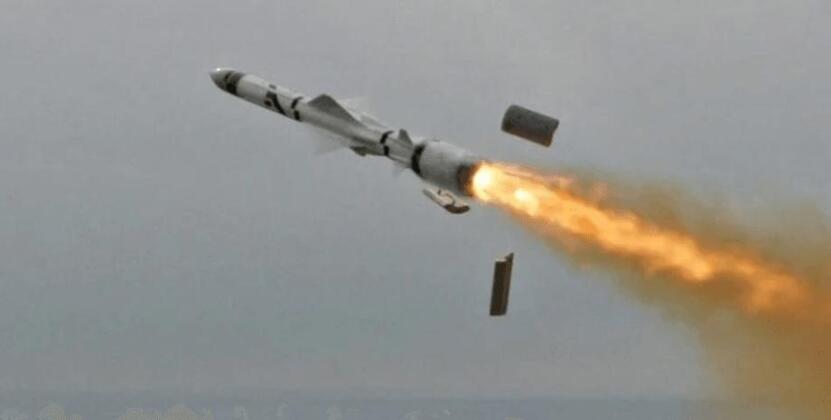
The Russian Navy has underscored the strategic utility of its coastal defense architecture by spotlighting the operational capabilities of the P-800 Oniks supersonic anti-ship cruise missile. During recent high-visibility drills conducted across the country's Far Eastern territories, the Pacific Fleet reported that the advanced weapon system is engineered to overcome virtually all modern air defense configurations and disable hostile warships of any size. The exercises served to emphasize Moscow's continued reliance on mobile coastal strike networks to secure vital maritime approaches and establish formidable access-denial zones.
According to official fleet assessments, the Oniks missile accelerates to roughly 2.5 times the speed of sound, drastically compressing the reaction, tracking, and interception timelines available to defending surface action groups. Operating from mobile systems such as the Bastion and Bal coastal defense batteries, tactical crews deployed launchers to designated staging positions across strategically critical regions, including the Primorye territory, Kamchatka, Chukotka, and the Kuril Islands. The ability of these units to relocate rapidly and deploy within minutes ensures high survivability and persistent deterrence across contested maritime chokepoints.
The technical lethality of the P-800 stems from its unique combination of high supersonic speed, extended operational range spanning several hundred kilometers, and an aggressive low-altitude terminal flight profile. Utilizing a robust combination of inertial navigation and active radar homing equipped with advanced electronic counter-countermeasures, the missile is built to punch through sophisticated electronic warfare environments. This high terminal velocity severely challenges modern naval combat management systems, which must process threats moving at supersonic speeds within compressed reaction windows.
The Pacific deployment highlights how Russia continues to leverage cost-effective, land-based coastal missile batteries to project power across expansive oceanic domains, allowing the broader surface fleet to concentrate assets elsewhere. The Kuril Islands are particularly vital in this framework, providing strategic positioning to monitor and control maritime traffic moving between the Pacific Ocean and the Sea of Okhotsk. These coastal defense bastions form an unyielding layer of regional security designed to deter foreign naval incursions near sensitive Russian waters.
Even as the P-800 remains a cornerstone of Russian coastal defense, military planners are progressively complementing the inventory with next-generation hypersonic systems. The adaptation of the Bastion launcher family to field the newer Zircon hypersonic cruise missile—which boasts speeds approaching Mach 9 and a 1,000-kilometer range—represents the next evolutionary step for Moscow's anti-access architecture. Nevertheless, the widespread deployment and proven tactical profile of the Oniks ensure it will remain a central pillar of Russian maritime denial strategy for years to come.


No comments:
Post a Comment