
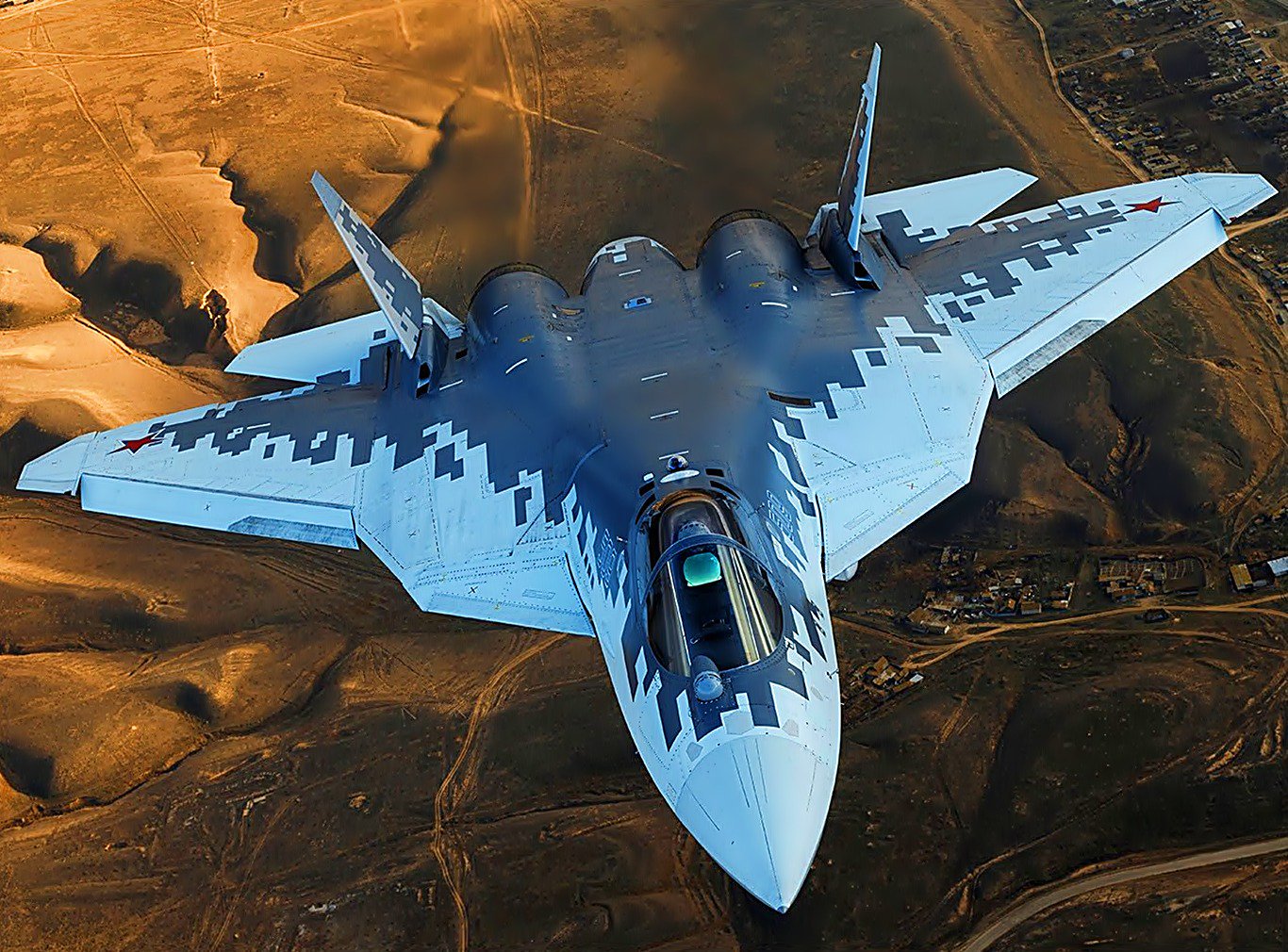
Russian forces struck port infrastructure in Odessa and neighboring Chernomorsk overnight in early August, hitting fuel depots and a cargo-transshipment complex the Russian Defense Ministry described as supplying Ukraine's military, part of a sustained campaign against Ukraine's Black Sea logistics network. Ukrainian air defense claimed 174 drones and five loitering munitions downed during the barrage, but reported zero missile interceptions, a detail that lands directly inside the interceptor-scarcity crisis this blog has tracked extensively this summer, the same pattern this blog's coverage of the 200-missile salvo warning and Zelenskyy's "I have 1%" framing already established as a defining feature of Ukraine's current air-defense posture. Reports from Ukrainian sources tie strikes in this same theater to Su-57 and Su-34 aircraft launching Kh-59 and Kh-69 cruise missiles from standoff ranges well behind the front line, a doctrine Ukrainian monitoring has documented extending from Kursk through Crimea and the southern axes toward exactly the Odessa corridor these strikes targeted.
This connects directly to this blog's earlier coverage of the Su-57's evolving combat role, where this blog treated Russia's claimed shift from pure standoff strike toward a genuine air-superiority mission, the disputed Saab 340 AEW&C kill claim using the R-37M missile, with appropriate skepticism given the claim's thin, unverified sourcing. The Odessa strikes represent the far more consistently documented side of Su-57 employment this blog's earlier piece contrasted against that unverified claim: standoff cruise missile launches from 200 to 400 kilometers behind the front line, well outside the practical engagement envelope of most Ukrainian ground-based air defense, a considerably less dramatic but far better corroborated pattern than the contested AEW&C shootdown. Army Recognition's own analysis of this standoff pattern is explicit that these reports should be read as "Ukrainian-reported and open-source monitoring indicators, pending any official Russian acknowledgment," the same evidentiary caution this blog has applied consistently to combat claims from every side of this conflict all summer.
The specific missile choice reveals a genuine cost-consciousness worth setting against this blog's interceptor cost-exchange throughline. Bulgarian Military's earlier reporting on this same Su-57 employment pattern noted Russian forces have favored older, cheaper Kh-59 missiles over the more expensive, internally-carried Kh-59MK2 specifically because Ukraine's diminished airpower and eroded air defenses make the pricier stealth-compatible weapon unnecessary in this particular theater, a deliberate decision to conserve the more advanced munitions for a potential future NATO contingency while using the cheaper option to sustain a higher operational tempo against a weaker current opponent. That's the mirror image of the cost-exchange dynamic this blog has documented from the American and Ukrainian side all summer, where cheap Iranian drones forced expensive Patriot interceptors into a losing exchange, here Russia is deliberately choosing cheaper weapons because Ukraine's own air defense has degraded enough that expensive standoff munitions would be an unnecessary expenditure against undefended targets.
Russia's Su-57 fleet itself remains genuinely vulnerable despite this standoff-strike caution, and this blog's own summer of coverage has already documented that vulnerability directly. Ukrainian drone strikes damaged Su-57s at the Akhtubinsk airbase in 2024, and a considerably more significant April 2026 strike hit multiple Su-57s and a Su-34 nearly 1,700 kilometers inside Russia at the Shagol airfield in Chelyabinsk, with Ukrainian officials noting Russian air defenses attempting to intercept that specific attack misfired and struck a residential building instead, a friendly-fire detail that echoes the same air-defense-confusion pattern this blog's coverage of the Kuwait F-5 raid already documented in an entirely different theater. Maj. Robert Brovdi's own cost estimate, cited in that earlier strike's coverage, puts each Su-57 at $100-120 million, meaning Russia's standoff-strike caution against Ukraine isn't simply doctrinal preference, it's a rational response to a fleet that remains genuinely scarce and expensive to replace even as it inflicts damage from ranges Ukraine currently can't effectively contest.
The through-line across all of this blog's Su-57 and interceptor coverage this summer converges cleanly in this single set of Odessa strikes: an expensive, still-scarce Russian stealth fighter fleet employing deliberately cheap weapons from safe standoff range against a Ukrainian air-defense network that, per this blog's own tracking, currently cannot intercept the missiles those aircraft fire at all. Whether or not Russia's more dramatic air-superiority claims for the Su-57 ever receive independent verification, the considerably less glamorous standoff-strike role this pattern of Odessa attacks demonstrates is the one actually degrading Ukraine's logistics and infrastructure night after night, and it's proving effective for the plainest possible reason, there's currently nothing on the Ukrainian side capable of stopping it.

No comments:
Post a Comment