
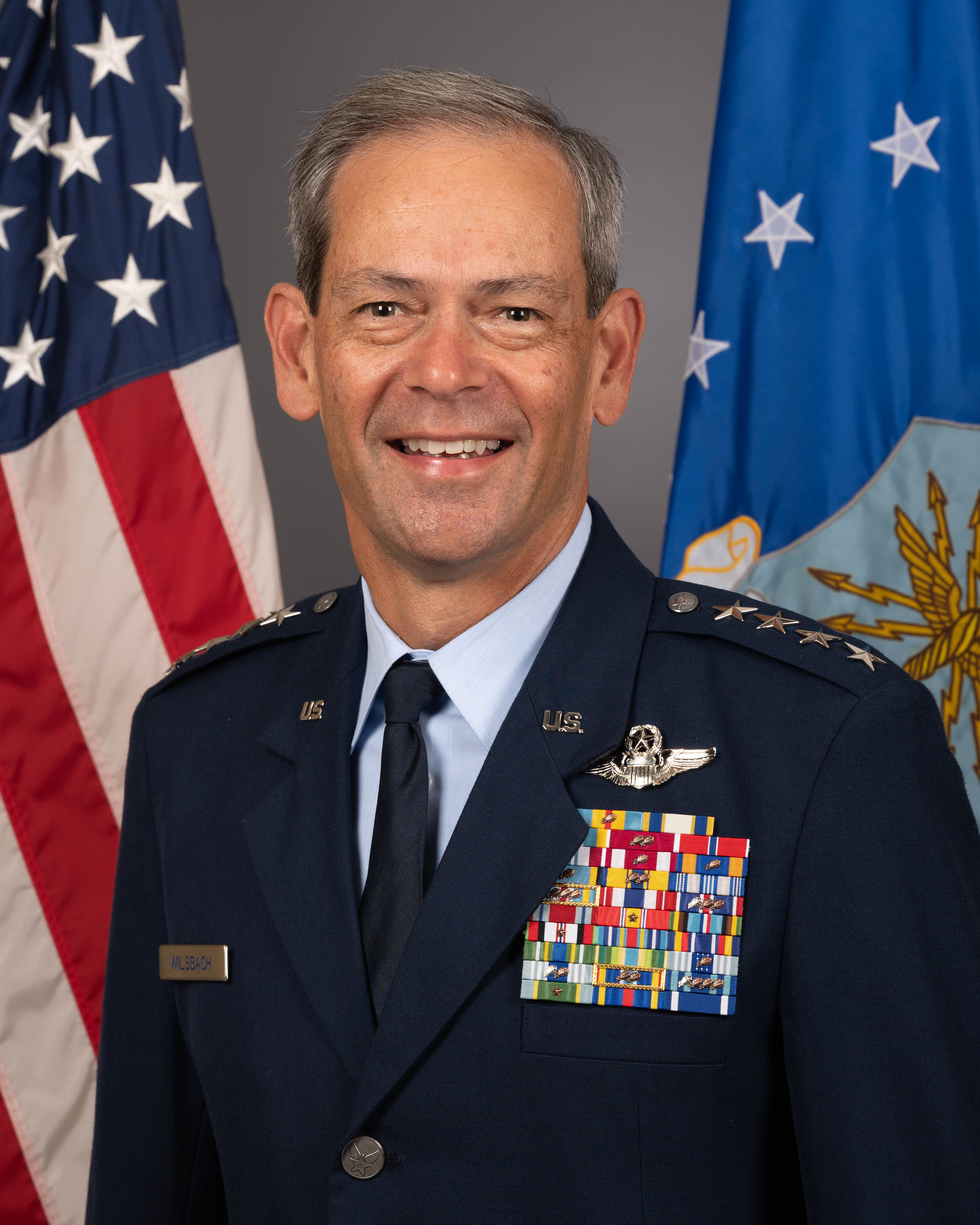
Under the normal chain of command, this isn't the visit anyone would have expected. When American and Israeli military leadership sit down to talk regional strategy, it's typically CENTCOM Commander Gen. Brad Cooper, or his air component chief, Lt. Gen. Daniel Lasica, making the trip, not the Air Force's own service chief of staff. But on August 23 in Tel Aviv, it was Gen. Kenneth Wilsbach, the Air Force's top officer, sitting across from IDF Chief of Staff Lt. Gen. Eyal Zamir and Israeli Air Force commander Maj. Gen. Omer Tischler. The Israeli side's own reporting flagged the same thing this piece is flagging: that's an unusual visit.
The meeting itself was described in fairly standard diplomatic language on both sides, Wilsbach's own social media post cited "shared priorities for regional security" and "opportunities to deepen cooperation," while the IDF's account added that the three discussed "advancing learning from the joint campaign" against Iran. That campaign, which passed its six-month mark right around this meeting, has been a genuinely intensive combined effort: U.S. Air Force assets flying alongside Israeli strikes have included B-1B and B-52 bombers, F-15E Strike Eagles, F-35As, A-10s, and KC-135 tankers, a real mix of long-range strike and refueling capability committed to a single regional campaign since it began February 28.
Two competing explanations for why Wilsbach specifically made this trip are both plausible, and the reporting doesn't settle which one is actually right. One is that the war itself has pushed Air Force-to-Air Force cooperation between the two countries to a level that now genuinely warrants direct engagement at the service-chief level, above and beyond what CENTCOM's own chain of command normally handles. The other, more mundane explanation is timing: Lasica only recently took over as CENTCOM's air component commander from Lt. Gen. Derek France, and a general still settling into a new post might reasonably have a service chief step in for a high-profile allied engagement rather than lead it himself this early. Nothing in the public reporting confirms either explanation over the other.
What is confirmed is how this fits into a busier-than-usual travel pattern for Wilsbach this year. He'd already toured seven bases across CENTCOM and EUCOM's combined area of responsibility back in December 2025, then made a separate July stop at the Global Air and Space Chiefs Conference in London, RAF Mildenhall, and Aviano Air Base in Italy, before this Israel visit. That's a chief of staff spending an unusual amount of personal travel time on the specific European and Middle Eastern theaters where American air power has been most actively engaged this year, a travel pattern that lines up with a separate report the same week that the Pentagon's top policy official said U.S. access to European air bases will be a central factor in decisions about future American military posture on the continent.
The casualty accounting detail buried in this same story deserves its own mention rather than a footnote. Eighteen U.S. service members have died since the Iran war began in February. The Pentagon has since reclassified four of those deaths into a separate casualty summary, lowering the number that appears in the war's headline casualty figure. Whatever the technical justification for that reclassification, it's the kind of quiet accounting change that changes the number the public actually sees without changing how many people actually died, and it's worth registering plainly rather than letting the headline figure pass without the caveat attached.

No comments:
Post a Comment