
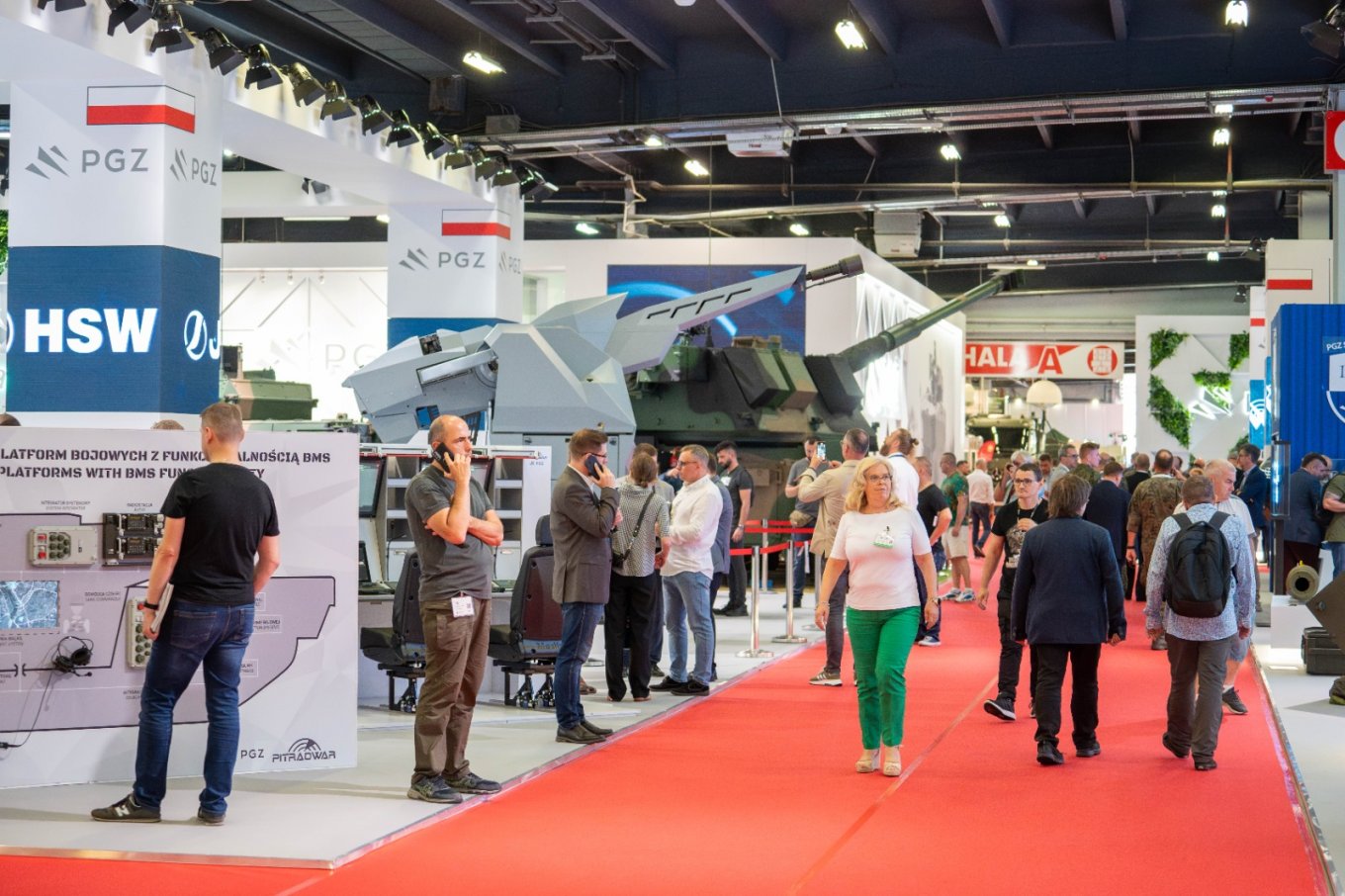
Every square meter of exhibition space at Poland's MSPO defense show sold out nearly two months before it even opens. Around 1,000 exhibitors, a brand-new hall built specifically to hold them, the largest edition in the show's 34-year history. And the country organizers chose to headline all of it, the "Lead Nation" with its largest-ever national pavilion, isn't the United States, isn't Germany, isn't any of the usual major arms exporters. It's Canada, bringing 82 companies to Kielce to show off military vehicles, aerospace hardware, cybersecurity systems, and radar technology.
That choice makes more sense once you look at what Canada's been doing since December. That's when it became the first non-EU country allowed into the EU's SAFE defense-financing scheme, the same €150 billion low-interest loan pool this blog has already tracked funding Poland's own Piorun MANPADS consortium and reshaping procurement decisions across the continent. Getting into SAFE as a non-EU member is a genuine structural opening, it puts Canadian defense firms in the room for a funding pool otherwise reserved for EU governments, and MSPO is where Ottawa is cashing in that access, pitching directly to European buyers now spending at a pace this blog has documented repeatedly this year.
There's a more pointed backdrop to Canada's push into Europe worth naming directly. This blog covered the friction that erupted this summer when Washington used tariff pressure to try pulling Ottawa away from its own preferred Saab GlobalEye purchase toward Boeing's E-7 Wedgetail instead, and separately covered Canada's $11.3 billion icebreaker deal explicitly framed by Prime Minister Mark Carney as leverage in exactly that kind of trade relationship, "there's a world in which America is part of that," Carney said of a related U.S. icebreaker program, "but on terms that work for Canadians." Headlining MSPO reads like the next chapter of the same strategy: Canada's defense industry building out European buyers and European financing access specifically so it isn't as dependent on Washington's terms for its own defense trade relationships.
Poland's side of this story is its own genuine spectacle. Warsaw is on track to spend a record 200 billion zloty, roughly $53.8 billion, on its military in 2026, pushing defense spending to 4.8 percent of GDP, driven directly by Russia's war next door in Ukraine. That budget has already bought Abrams tanks, F-35s, Apache helicopters, and Patriot missiles from American suppliers, this blog's earlier coverage of Poland's own K2 tank deal with South Korea and its Piorun missile expansion showed the same pattern of aggressive, diversified buying across multiple allies simultaneously rather than concentrating spending with any single supplier.
The dual-use technology thread running through this year's show is worth a mention too: exhibitors like Ecoline showing AI-driven predictive maintenance platforms, Axon' Cable and others pitching systems that work across defense, aerospace, and energy sectors alike, alongside the Polish Armaments Group's own showcase of active modernization programs. That mirrors something this blog has already tracked in Turkey's defense-industrial buildout, civilian and military technology increasingly built on the same underlying platforms rather than as separate product lines, a trend MSPO's own organizers are explicitly leaning into this year. Between the sold-out floor, the new hall, and roughly PLN 6 billion in contracts typically signed onsite in a normal year, this edition is shaping up to be less a trade show and more a live snapshot of where European defense spending is actually flowing right now, and who's best positioned to catch it.

No comments:
Post a Comment