
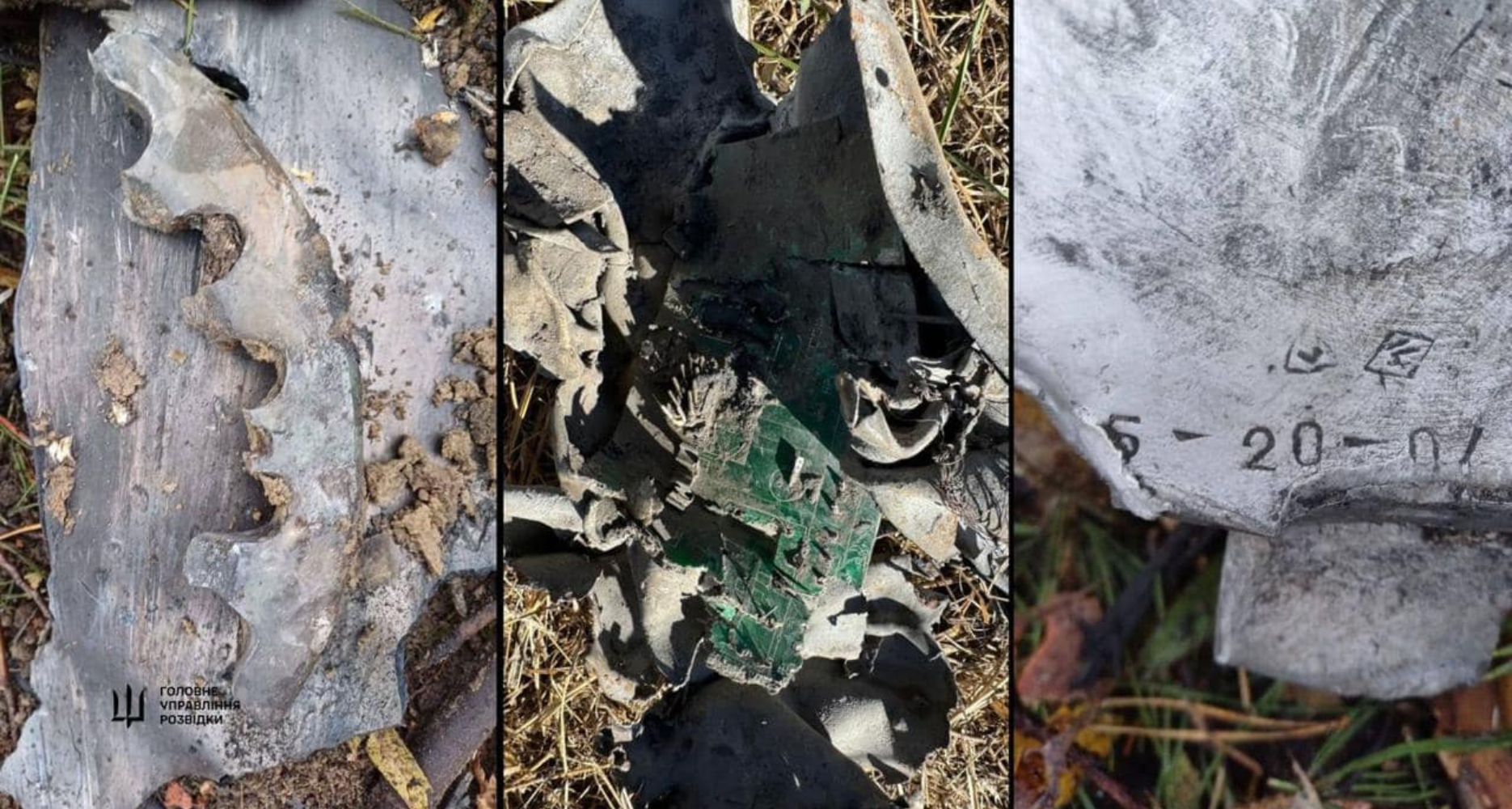
Ukraine has run this exact demonstration before. Back in 2024, an investigation found roughly 70 percent of the foreign-made components recovered from Russian missiles traced back to American companies. On August 25, Vladyslav Vlasiuk, Ukraine's presidential commissioner for sanctions policy, laid the parts out again for reporters, this time from Iskander missiles and 48N6-family rounds fired out of S-400 launchers, guidance and navigation electronics stamped with origins in the United States, Japan, Germany, Taiwan, France, Britain, and Switzerland. His summary of who dominates that pile hasn't changed: "The United States is the leader," he said, "because ballistic missiles are especially demanding in terms of quality and product characteristics." Companies named in the components include Nvidia, Texas Instruments, Analog Devices, and Microchip Technology, firms that aren't shipping to Russia directly but whose chips are getting there anyway.
Nearly 24,000 sanctions have been imposed on Russia-linked individuals and entities since 2022. That number alone tells you the problem isn't a lack of sanctions, it's that the sanctions aren't actually stopping the flow. Components move through third-country intermediaries that get sanctioned and replaced almost as fast as investigators can identify them, an enforcement pattern that's been documented for years without meaningfully closing the loophole it describes.
Vlasiuk's ask this time comes with an actual legislative vehicle attached, and it's one that's already cleared half of Congress. The Sanctioning Russia and Iran Act of 2026, sponsored by Sen. Lindsey Graham, passed the Senate and would address a chunk of what Vlasiuk is describing, but it's been sitting unpassed in the House. Trump's own posture on the bill shifted only recently: he largely withheld support for nearly a year while pursuing peace talks with Putin, before reversing course earlier this year. Vlasiuk arrived in Washington this week specifically to lobby House members to move it.
His actual proposal runs in three parts. First, get allied jurisdictions to synchronize their sanctions designations against every identified Russian ballistic-missile manufacturer, so a company sanctioned by the US isn't still doing business freely with the EU or UK. Second, impose sectoral restrictions on roughly 110 specific materials used in missile production, a narrower, more targeted list than blanket entity sanctions. Third, tighten export licensing specifically for sensitive electronics and chemical inputs. On the EU side, Vlasiuk wants a small, targeted package aimed just at the ballistic-weapons supply chain passed by September, with a second follow-up in October, rather than waiting for Brussels' broader 22nd sanctions package, which isn't expected before late October at the earliest.
The urgency behind pushing this now connects to two numbers that matter more than the sanctions statistics themselves. Russia is producing more than 100 ballistic and high-speed missiles a month, according to Ukrainian military officials. Meanwhile Patriot interceptor deliveries to Ukraine have dropped to somewhere between 50 and 60 a month, a fraction of what's needed against combined weekly salvos running into the hundreds of drones and missiles. That gap is the same interceptor shortage this blog has already tracked repeatedly this year, and Vlasiuk's argument is essentially that closing off Russia's component supply is a second lever alongside sending more interceptors, one that doesn't depend on Western stockpiles that are already stretched thin. Whether Congress moves on a bill that's been stalled for the better part of a year, while the missiles it's meant to slow keep launching at more than 100 a month, is the open question this latest disclosure doesn't answer.

No comments:
Post a Comment