
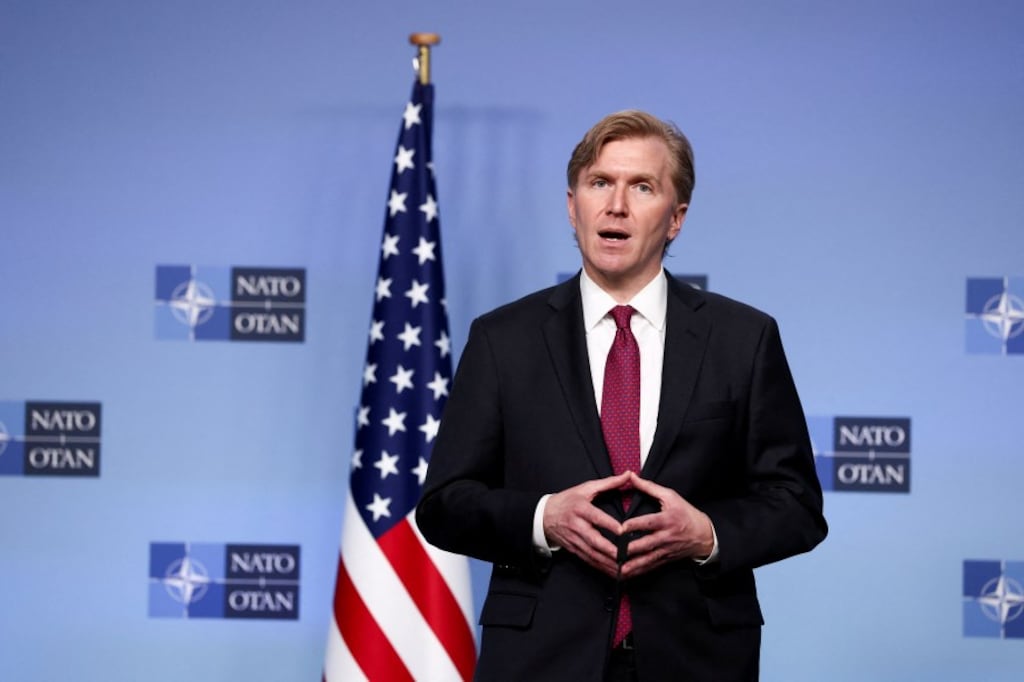
A high-stakes diplomatic and strategic address covered by Defense News details strong commitments made by senior Pentagon leadership during a regional tour of Southeast Asia. Speaking in Manila, Philippines, U.S. Under Secretary of Defense for Policy Elbridge Colby forcefully pushed back against growing regional anxieties regarding American overextension, assuring allies that Washington is not disengaging from the Indo-Pacific despite intense concurrent security commitments in the Middle East.
Addressing an audience of diplomats, military officials, and regional analysts, Colby stressed that Washington views Asia as a theater of paramount strategic importance.
Emphasizing a shift away from traditional dependency models, the Pentagon policy chief urged Indo-Pacific allies to accelerate domestic defense investments, modernize sovereign military forces, and shoulder a greater share of regional security responsibilities.
"When we ask our allies and partners to step up, to invest more in their own defense, and to take responsibility for their own sovereign security, we are not signaling abandonment. We are looking for partners, not protect
orates."
The policy address serves as a cornerstone message for Colby's multi-nation Southeast Asian itinerary, which includes scheduled diplomatic and defense talks in the Philippines, Indonesia, Thailand, and Cambodia.

No comments:
Post a Comment