
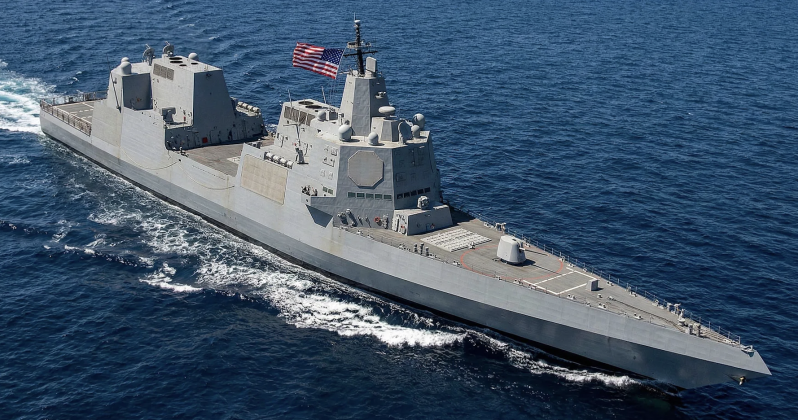
The U.S. Navy's formal launch of the BBG(X) program to procure 15 nuclear-powered surface combat ships has ignited widespread discussion across defense circles. Projected to cost up to $700 billion—with an estimated lifetime cost of $46.6 billion per hull—the initiative aims to introduce colossal warships displacing between 35,000 and 41,000 tons. While these massive dimensions will make them by far the largest surface combatants in operation globally, the sheer scale of the project has raised serious concerns regarding whether the nation's overstretched industrial base can support it without jeopardizing other vital fleet requirements.
Congressional scrutiny has intensified sharply as lawmakers demand assurances that the capital-intensive battleship program will not disrupt existing naval modernization priorities, particularly the production of Virginia-class and Columbia-class submarines. The Navy currently treats boosting annual output for its nuclear submarine fleet as its absolute highest industrial priority. However, persistent labor shortages, supplier bottlenecks, and constrained shipyard capacities have consistently caused production targets to fall short. Introducing a demanding new nuclear-powered surface fleet risks creating severe bottlenecks across shared industrial supply chains.
Furthermore, the BBG(X) initiative is perceived as a direct competitor to the long-anticipated DDG(X) next-generation destroyer program, which was meant to replace aging late Cold War-era Arleigh Burke-class destroyers. Because nuclear-powered surface warships demand complex reactor servicing, specialized depot maintenance, and extensive dry-dock modernizations, they introduce unique logistical burdens. Critics and analysts warn that funding such an expensive class could siphon critical resources away from traditional surface combatants and next-generation destroyer research.
The program also introduces a profound strategic debate regarding the future balance between heavy missile ships and aircraft carriers, which have anchored U.S. naval power projection since the Second World War. Advocates for the battleship concept argue that the proliferation of advanced hypersonic missiles and long-range precision weapons makes heavily armed, survivable surface combatants increasingly indispensable in the Pacific. Conversely, given the severe delays and cost overruns that have plagued the Gerald R. Ford-class supercarrier program, some speculate that successful development of the BBG(X) could trigger intense political pressure to reallocate funds away from future carriers.
Ultimately, whether the U.S. shipbuilding ecosystem can successfully absorb the BBG(X) program remains a central question for military planners. With domestic destroyer and submarine output already lagging behind international competitors like China, the path forward requires a delicate balancing act. Navigating these industrial realities will determine if the nuclear battleship can fulfill its promise as a Pacific deterrent or stretch American naval resources to a breaking point.

No comments:
Post a Comment