
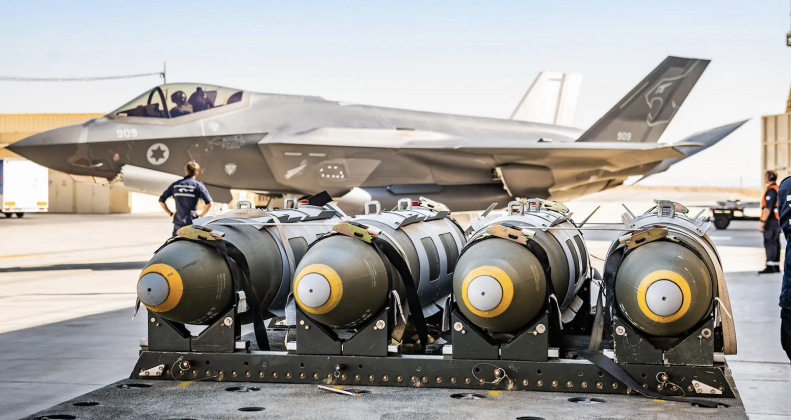
Israeli Defence Minister Israel Katz recently provided the first official confirmation that United States combat aircraft have been actively operating from military bases within Israel to conduct strikes against Iran. Speaking publicly on Channel 14 television, Katz noted that U.S. fighter jets are regularly taking off from Israeli soil to execute missions, and confirmed that Iranian authorities are fully cognizant of this strategic arrangement. This operational shift reflects a major adaptation as traditional forward-deployed facilities across the Persian Gulf encounter mounting threats and heavy attrition.
The utilization of Israeli air bases offers vital strategic advantages for the U.S. military during ongoing regional hostilities. Facilities such as Nevatim Air Base feature extensive hardened aircraft shelters, robust integrated air defense networks, and highly developed logistics infrastructure that provide superior security compared to exposed Gulf installations. Furthermore, decades of close bilateral military cooperation mean that American and Israeli forces share exceptionally high levels of technological interoperability and compatible command systems.
This deep integration allows coalition planners to seamlessly coordinate complex strike packages, aerial refueling operations, electronic warfare missions, and real-time intelligence sharing. Open-source reporting and satellite imagery previously highlighted the forward deployment of specialized U.S. Air Force assets—including fifth-generation F-22 fighters and critical support aircraft—to Israeli airfields preceding major joint operations. By shifting operational weight away from vulnerable Gulf hubs like Al Udeid in Qatar or Prince Sultan Air Base in Saudi Arabia, the U.S. reduces its exposure to retaliatory missile and drone attacks.
Despite the enhanced security and advanced infrastructure provided by Israeli host facilities, regional air defense networks continue to experience severe strain. Ballistic missile penetrations and ongoing munitions expenditures have tested the limits of allied shield capabilities, underscoring the high-intensity nature of the ongoing conflict. At the same time, political frictions persist behind the scenes; while Israeli leadership has openly expressed a desire to expand operations toward Iranian energy infrastructure, Washington has reportedly opposed such escalation at this stage.
Ultimately, the integration of U.S. tactical aviation units into Israel's defense ecosystem highlights the shifting geography of air power in the Middle East. As traditional forward operating bases face persistent operational challenges, leveraging secure and highly interoperable allied territory ensures that the U.S. military can maintain sustained pressure. Navigating these strategic alliances and operational boundaries will remain a central determinant of the campaign's trajectory moving forward.

No comments:
Post a Comment