
Diplomatic momentum and battlefield intensity have moved in opposite directions for most of 2026, and early August has made that divergence unusually stark. On August 1, Russia launched a barrage of ballistic missiles and drones into Kyiv that killed at least nine people, two days after a separate attack had already killed ten and wounded more than fifty. Four days later, on August 5, Russian forces struck Kyiv and the surrounding region with 29 missiles and 115 drones, killing 17 and wounding 44, in an assault Ukrainian President Volodymyr Zelenskyy said mainly targeted warehouses, infrastructure, and a railway station rather than military positions. None of the missiles used in that August 5 attack were intercepted, a detail Zelenskyy pointed to directly, warning that lives could have been saved had allies replenished Ukraine's stock of missile interceptors sooner.
That framing is worth pausing on, because it isn't just rhetorical. CNN's reporting on the escalation, drawing on ACLED (Armed Conflict Location & Event Data Project) tracking, describes both sides' offensive capabilities as now outstripping their air defenses, meaning more strikes are reaching their targets, more infrastructure is being destroyed, and casualties are climbing on a weekly basis even as the front line itself remains largely static. This is not a story about Russia suddenly launching more missiles; it's a story about interception rates falling as available interceptor stocks run down relative to the volume of what's being fired, which is precisely the dynamic that has been reshaping U.S. Army posture on the other side of the world following Epic Fury and the 12-Day War against Iran.
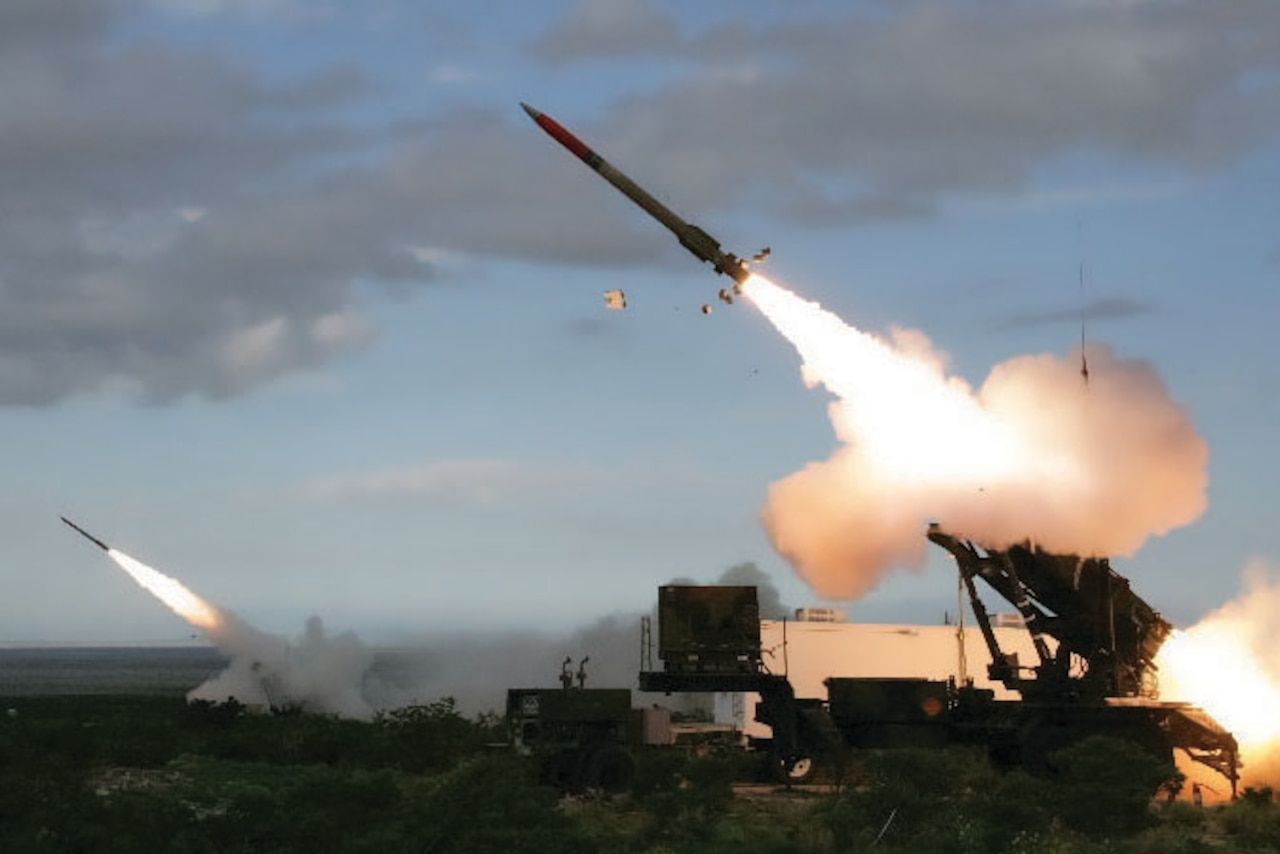
The parallel is not incidental. Ukraine's air defense architecture leans heavily on the same Patriot systems the U.S. Army has been drawing down against Iranian threats, and both theaters are demonstrating the same underlying vulnerability: a defender's ability to intercept mass missile and drone salvos is gated by a finite, expensive interceptor supply that simply cannot be replenished at the pace modern salvo warfare consumes it. Where the U.S. still has a domestic production base and a defense secretary publicly disputing the severity of its own shortfall, Ukraine has neither cushion, and the practical result shows up directly in casualty figures: a zero-interception outcome against a 29-missile attack is not a sign Russian missile technology has leapt forward, it's a sign the air defense magazine behind it has been drawn down faster than it can be refilled.
This is also precisely why the "peace talks continue despite strikes" framing that's dominated headlines through 2026 understates what's actually happening strategically. The pattern has repeated across nearly every reported negotiating round this year, from February's Geneva trilateral talks through the June exchange of open letters between Zelenskyy and the Kremlin to the current round of shuttle diplomacy, with Russian strikes continuing or intensifying around nearly every diplomatic milestone rather than pausing for it. Whether that reflects genuine indifference to the diplomatic track or a deliberate effort to extract maximum battlefield leverage before any ceasefire locks in current territorial and capability positions, the effect on the ground is the same: Moscow's ability to keep striking productively depends less on the state of negotiations than on whether Ukraine's air defenses can still intercept what's being thrown at it, and as of early August, that capacity is visibly eroding.
What happens next likely hinges less on the negotiating table than on whether Ukraine's Western backers treat interceptor resupply with the urgency the U.S. Army has been forced to apply to its own post-Epic Fury shortfall. A ceasefire signed while Ukraine's Patriot batteries are running near-empty locks in a much weaker negotiating position than one signed while its skies are actually defended, and every strike landing uncontested, like the August 5 attack, is both a humanitarian toll and a data point Moscow can read as confirmation that waiting out the diplomatic process costs it little while Kyiv's ability to protect its own cities keeps shrinking.

No comments:
Post a Comment