
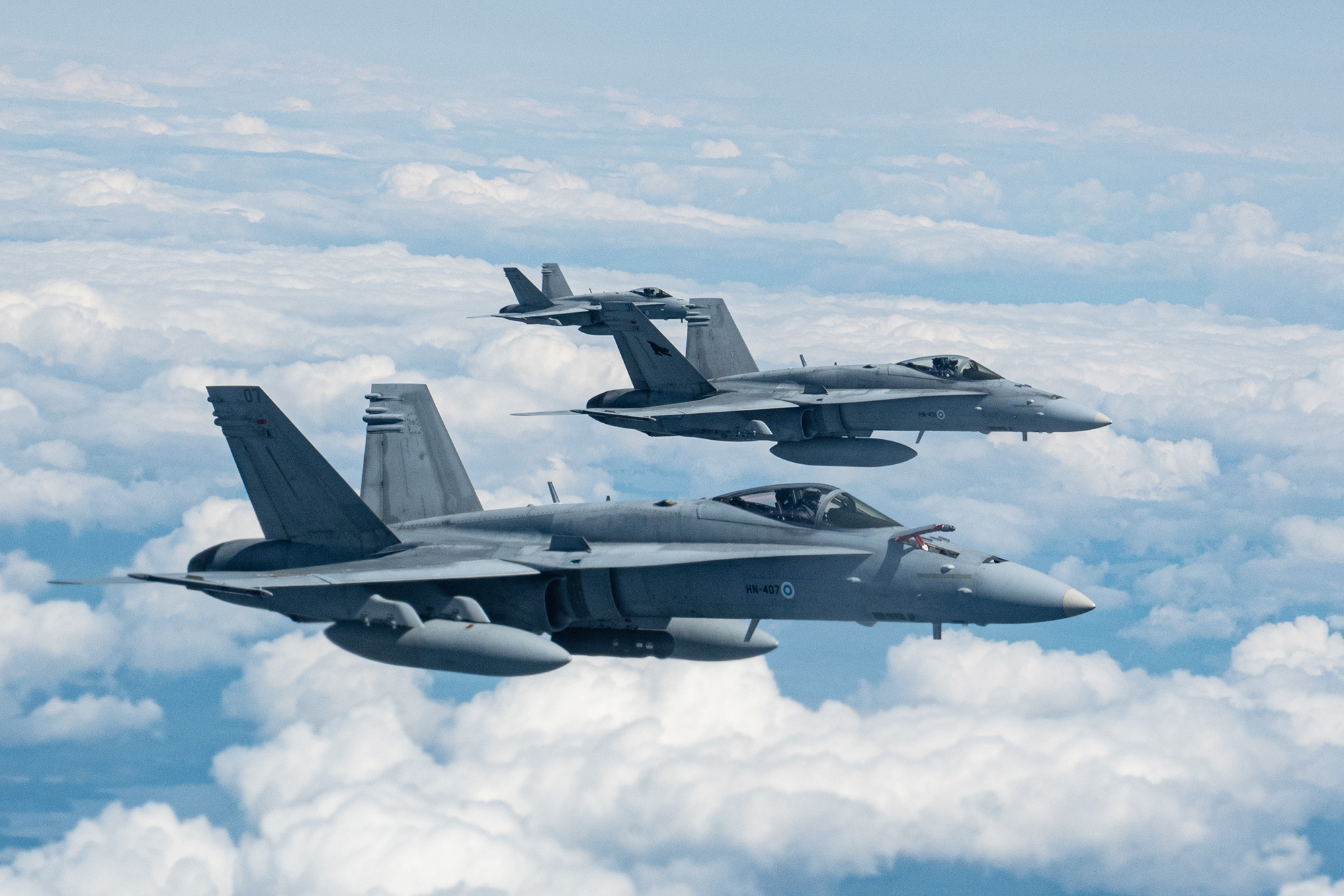
Reflecting on sweeping strategic shifts across the alliance, recent analysis published in Air & Space Forces Magazine highlights the mounting pressure on European NATO members to independently shoulder greater air warfare and collective defense responsibilities. With the Pentagon increasingly prioritizing strategic competition in the Indo-Pacific and weighing comprehensive reviews of U.S. force postures in Europe, Supreme Allied Commander Europe Gen. Alexus G. Grynkewich and other senior military leaders are steering a profound operational transformation of the alliance's defensive architecture.
This evolving landscape requires European partners to rapidly address critical capability gaps, particularly within the air domain where reliance on U.S. assets has historically been absolute. Maintaining robust deterrence against renewed regional threats demands that European air forces expand their capacity for independent command and control, intelligence, surveillance, and reconnaissance (ISR), and suppression of enemy air defenses. While the widespread adoption of fifth-generation platforms like the F-35 across numerous continental nations provides a strong hardware foundation, allied planners emphasize that closing logistical and munitions shortfalls remains an urgent priority.
To bridge these operational deficits without relying entirely on traditional U.S. strategic bomber and tanker support, allied defense strategies increasingly lean toward innovative workaround solutions. These include deploying enhanced ground-based long-range missile batteries, expanding air-to-surface munitions stockpiles, and establishing deeper continental airfield networks with robust refueling and maintenance capabilities. Furthermore, senior leadership stresses that achieving and maintaining air superiority in modern contested environments extends far beyond the air component alone, requiring seamless integration with multi-domain land, naval, cyber, and space architectures.
The ongoing adaptation of NATO's force model also underscores a vital lesson drawn from recent global conflicts: the shifting character of modern air warfare demands resilient, dispersed operating concepts. Vulnerabilities highlighted by persistent drone incursions and hybrid gray-zone tactics mean that traditional, centralized air bases can no longer operate as unassailable sanctuaries. Consequently, European air forces are accelerating the implementation of Agile Combat Employment principles, hardening local infrastructure, and integrating advanced counter-drone systems to ensure combat aviation can survive and strike under fire.
Ultimately, the transition toward a more autonomous and self-reliant European pillar within NATO marks a defining chapter in modern military history. By confronting capability gaps head-on and modernizing industrial and tactical frameworks, the alliance is actively future-proofing its collective defense posture. As member states continue to align their procurement priorities and operational doctrines, the collaborative strength of European airpower will serve as the definitive anchor for regional security in the decades ahead.

No comments:
Post a Comment