
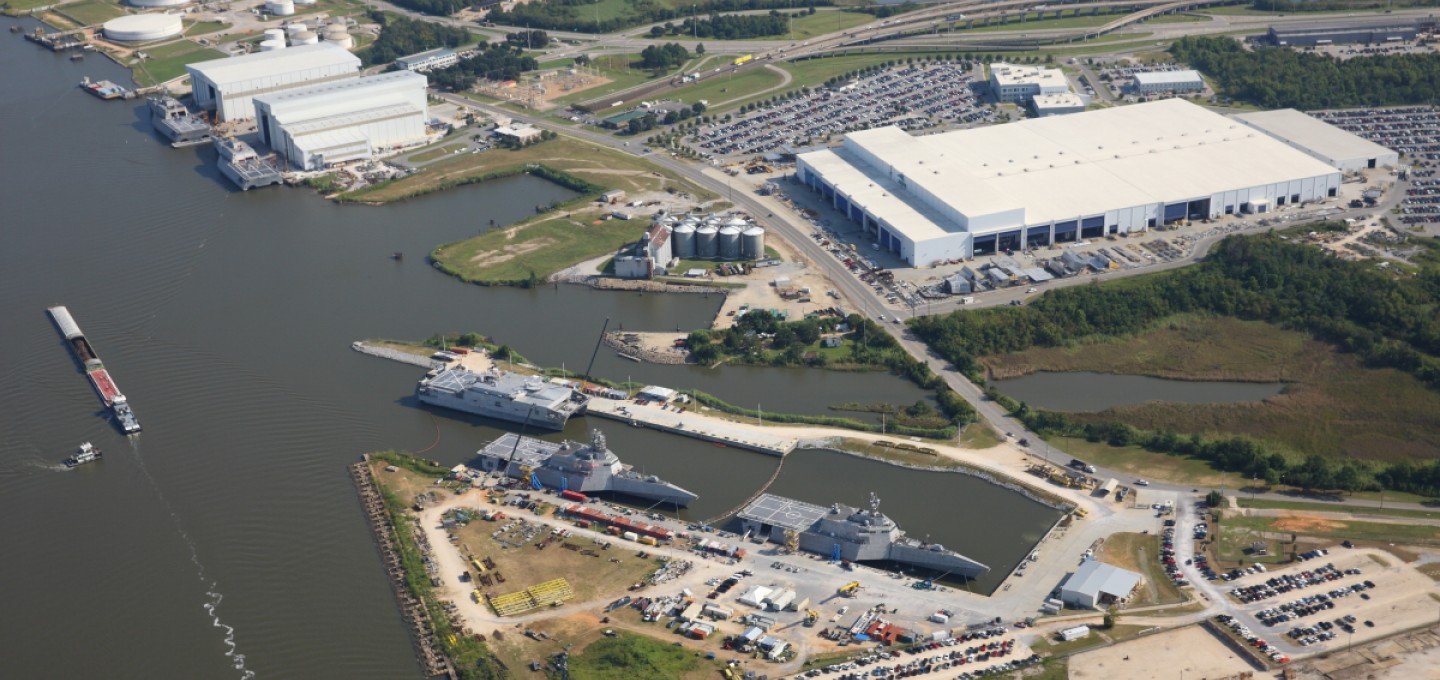
South Korea's premier industrial and defense conglomerate, Hanwha Group, is aggressively expanding its footprint in the American maritime sector, a strategic move recently detailed by Naval News. Through its subsidiary Hanwha Defense USA, the company has submitted a formal, non-binding acquisition proposal ranging between $1.05 billion and $1.20 billion to acquire Austal USA. This bold financial maneuver is designed to secure an established, highly productive U.S. shipyard capable of constructing front-line warships and critical naval components directly on American soil.
The proposed transaction focuses exclusively on the American operating arm of Australian parent company Austal Ltd., leaving publicly traded shares and core Australasian operations untouched. Headquartered in Mobile, Alabama, Austal USA is a critical fixture within the U.S. defense industrial base, actively building littoral combat ships, expeditionary fast transports, and coast guard cutters. Furthermore, the Alabama yard has expanded its capabilities into vital submarine support, manufacturing structural modules for the U.S. Navy's advanced Virginia-class and Columbia-class nuclear-powered submarine programs.
For Hanwha, successfully integrating Austal USA would mark a monumental escalation in its North American defense strategy. Following its acquisition of the former Philly Shipyard in Philadelphia, the South Korean corporation has heavily championed bilateral maritime collaboration. By aligning with Washington's broader push to revitalize domestic shipbuilding capacity and engage trusted allied industrial bases, Hanwha aims to position itself as a central pillar in modernizing the U.S. Navy's surface and subsurface fleets.
Despite the immense strategic promise of the multi-billion-dollar bid, the potential acquisition still faces a rigorous road ahead. Austal's board of directors has authorized a four-week due diligence period, allowing Hanwha to carefully review the subsidiary's operational data, financial health, and long-term contract structures. Additionally, any definitive agreement will require complex regulatory clearances, including stringent national security reviews from the Committee on Foreign Investment in the United States (CFIUS) and federal antitrust bodies.
As global defense markets adapt to rising geopolitical competition and mounting demands for fleet expansion, this high-stakes corporate maneuver highlights a transformative era for naval manufacturing. By bridging South Korean industrial prowess with established American shipyards, Hanwha is systematically laying the groundwork to deliver next-generation naval capabilities, reinforce allied supply chains, and shape the future of Western maritime defense.

No comments:
Post a Comment