
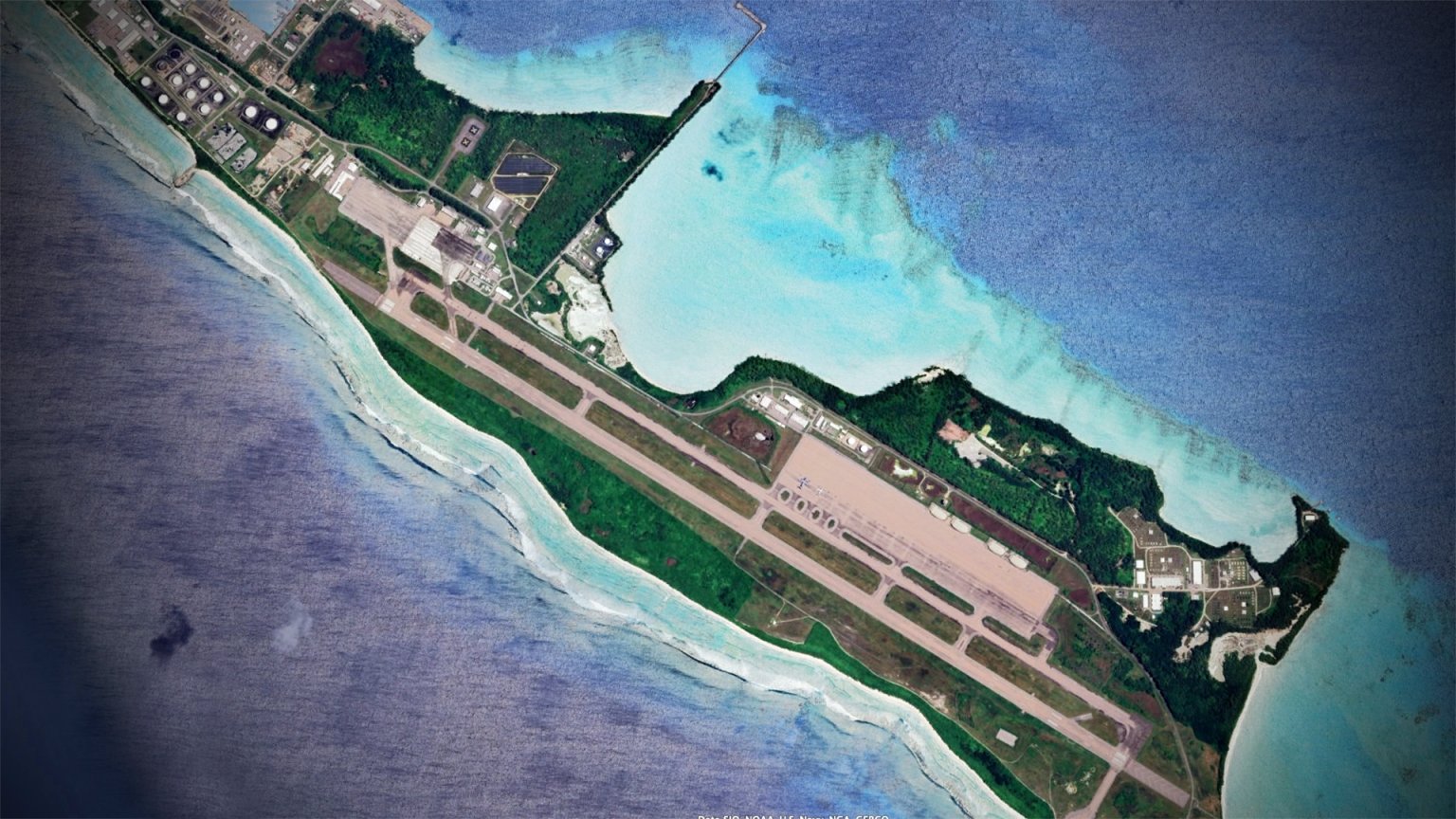
Recent reporting by The War Zone has brought to light a deeply concerning security development regarding unauthorized drone sightings over the remote joint U.S.-U.K. military installation on Diego Garcia. Situated deep in the Indian Ocean, the highly strategic base reportedly experienced multiple drone incursions near sensitive infrastructure, including fuel storage areas. While both the U.K. Ministry of Defense and U.S. Indo-Pacific Command have remained tight-lipped regarding specific operational details, the incident has instantly triggered heightened base curfews and renewed intense scrutiny over the physical security of premier overseas defense hubs.
The geopolitical implications of these sightings are particularly acute given the ongoing, high-stakes military tensions between the United States and Iran. Because Diego Garcia is an essentially closed island with no significant civilian population or recreational tourism, any unauthorized unmanned aerial systems operating over restricted airspace cannot be easily dismissed as civilian hobbyist activity. Military analysts point out that the base's isolated geography does not preclude the threat of covertly launched drones, raising alarming possibilities of asymmetric, sea-based attacks originating from regional adversaries or proxy actors.
Historically, Diego Garcia has served as an indispensable strategic springboard for long-range bomber operations, nuclear submarines, and naval prepositioning fleets, making it a high-value target in any major conflict. During previous regional escalations, the installation has found itself directly in the crosshairs of long-range standoff attacks. The emergence of potential drone threats directly over the island highlights a long-standing vulnerability that defense commentators have warned about for years: the extreme exposure of high-end military assets parked out in the open.
Satellite imagery of the base in recent years has routinely captured multi-million-dollar aviation assets—including B-52 Stratofortresses and B-2 Spirit stealth bombers—exposed on open tarmacs without adequate overhead protection. The latest drone sightings starkly underscore the urgent debate over whether the Pentagon is moving fast enough to invest in robust base defense infrastructure. Military experts argue that relying solely on geographic isolation is no longer sufficient in an era where loitering munitions and long-range asymmetric weapons can be smuggled or launched from unconventional platforms.
Ultimately, the security breach at Diego Garcia serves as a sobering wake-up call for allied defense planners navigating an increasingly complex threat matrix. As drone technology becomes more accessible and capable of penetrating remote areas, military installations worldwide must adapt their protective postures. Whether this incident prompts a rapid acceleration in deploying advanced counter-unmanned systems or drives long-overdue investments in hardened aircraft shelters, it clearly demonstrates that no strategic outpost is beyond the reach of modern asymmetric warfare.

No comments:
Post a Comment