
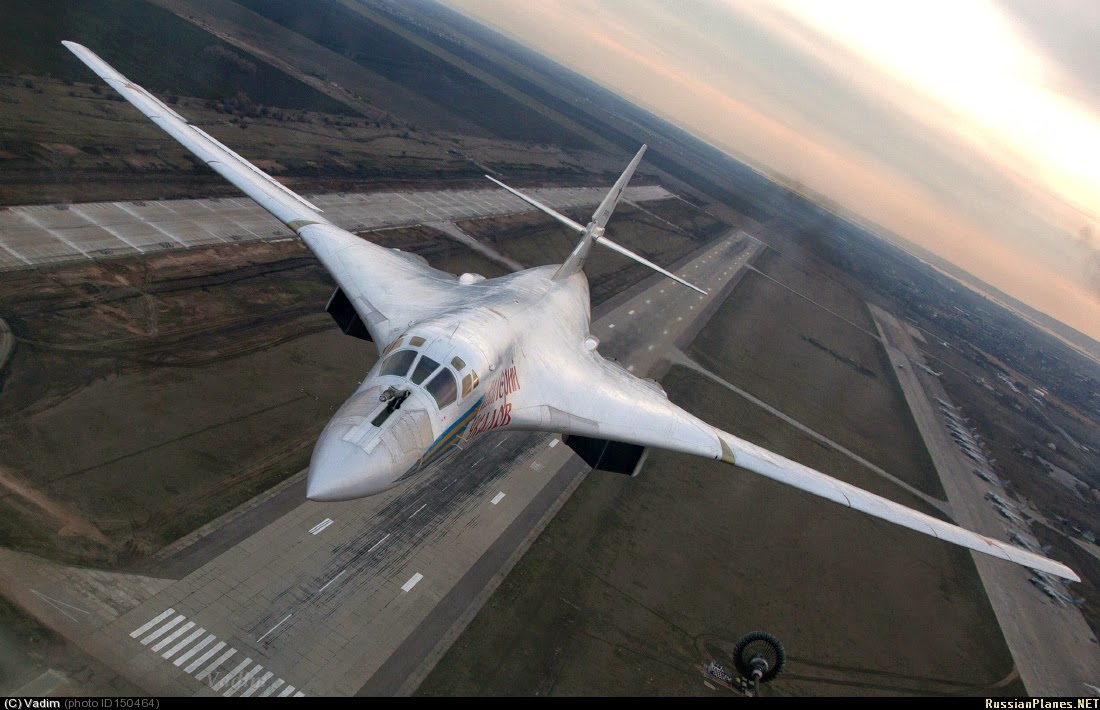
The attack that started all of this happened in December 2022, when a Ukrainian drone reached Engels Air Base and damaged parked aircraft, killing several personnel. Russia's response has taken nearly four years to reach its current form: satellite imagery now shows several massive new hangars nearing completion at Engels-2, roughly 63 by 63 meters, walls seven meters high, peaking at 17 meters, large enough to swallow a Tu-160 or Tu-95MS whole. Ukraine's follow-on strikes since 2022 have mostly failed to hit the bombers themselves, destroying surrounding infrastructure instead, but Moscow clearly isn't willing to bet that streak continues indefinitely.
The scale of what's actually being built is worth putting in real terms. Defense Express, tracking the same satellite imagery, counted at least 17 hangars under construction, enough covered space for roughly a quarter of Russia's entire strategic bomber fleet, both the Tu-160M and the considerably larger Tu-95MS force. That's a meaningful upgrade from what came before: a model shown to Russia's defense minister back in June 2025 described a lighter, tent-like shelter meant mainly to keep weather off the aircraft, not the kind of hardened, high-wall structure that would meaningfully complicate a drone strike. Whatever's going up now looks like a considerably more serious answer to the actual threat than that earlier concept was.
Here's the detail that complicates the whole story, though: analysts tracking Russia's bomber fleet put only seven of its 18 Tu-160M aircraft on active combat rotation against Ukraine at any given time, flying primarily out of Ukrainka Air Base rather than Engels itself. The rest, roughly two-thirds of the fleet, are tied up in testing, training, maintenance, or ongoing modernization work, much of it happening at the Kazan production facility rather than Engels. Satellite images from earlier this year showed Tu-160M aircraft still sitting in open air outside Kazan's newly built production hall as recently as April, exposed regardless of how fortified Engels eventually becomes.
That gap matters because it means hardened hangars at one base don't actually protect most of the fleet most of the time. A bomber sitting exposed at a production facility during a modernization cycle, or parked in the open at Ramenskoye near Moscow, where satellite imagery has separately caught Tu-22M3, Tu-95, and Tu-160 aircraft alongside yet another round of new hangar construction, is just as vulnerable as it would have been before Engels got its concrete walls. Russia appears to be building shelter capacity across multiple sites simultaneously rather than concentrating everything at one base, which suggests officials understand this themselves, but it also means the fortification effort is playing out considerably slower and more piecemeal than a single dramatic construction project might suggest.
There's a broader pattern here worth connecting to Russia's own home-front defense posture more generally. Mi-26 helicopters have separately been used to airlift Pantsir-SMD-E air defense systems directly onto Moscow rooftops, and combined with the layered hangar-construction effort now underway at multiple bomber bases, the picture is one of a country visibly, if slowly, reorganizing its air defense and infrastructure protection around the specific reality that long-range drones can now reach targets deep inside Russian territory that were, for most of the war's first two years, treated as effectively untouchable. The hangars at Engels are a genuine hardening effort. They're also, by the numbers, only ever going to cover a fraction of a bomber fleet that spends most of its life somewhere else.

No comments:
Post a Comment